Sandton May 2026

June 11, 2026

Pre-Primary  

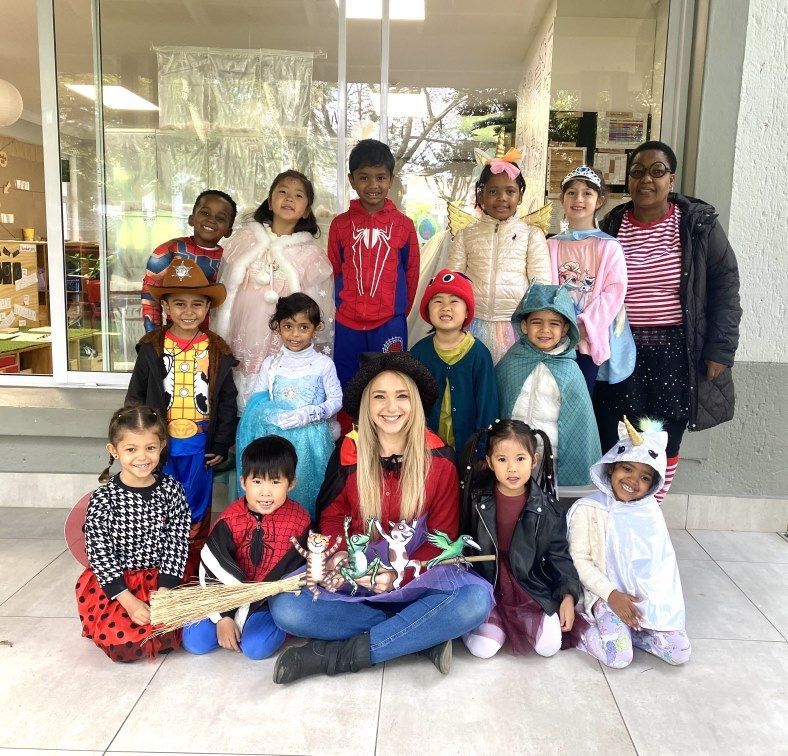
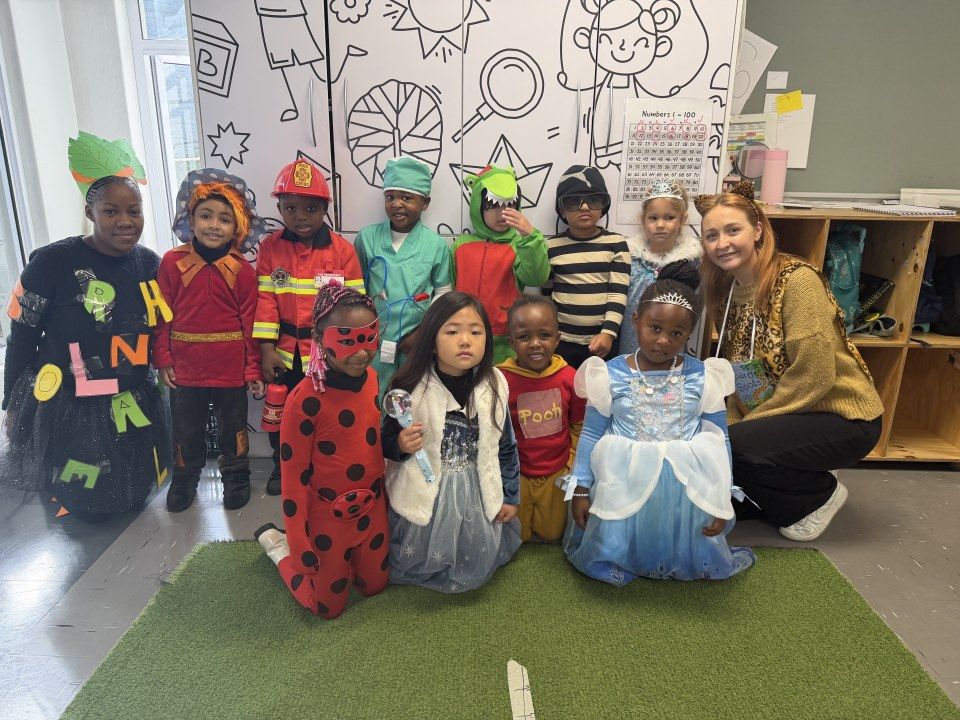
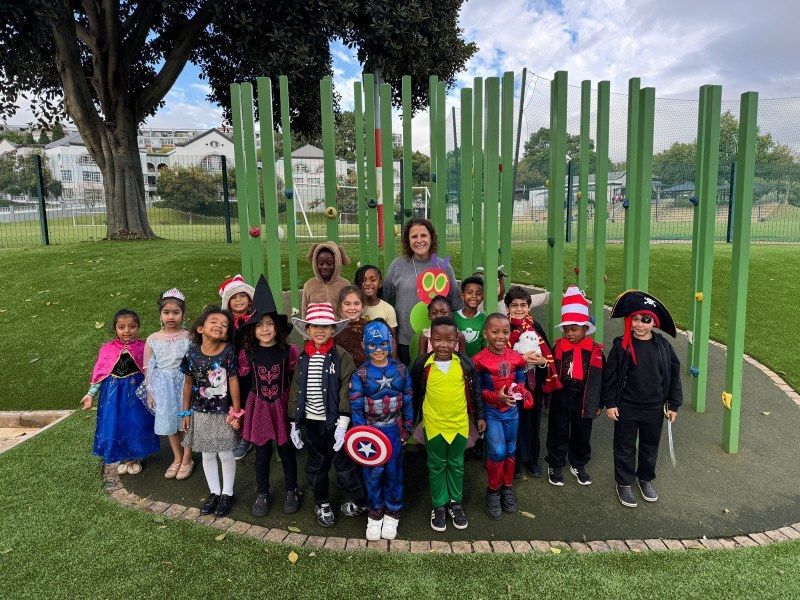
World Book Day


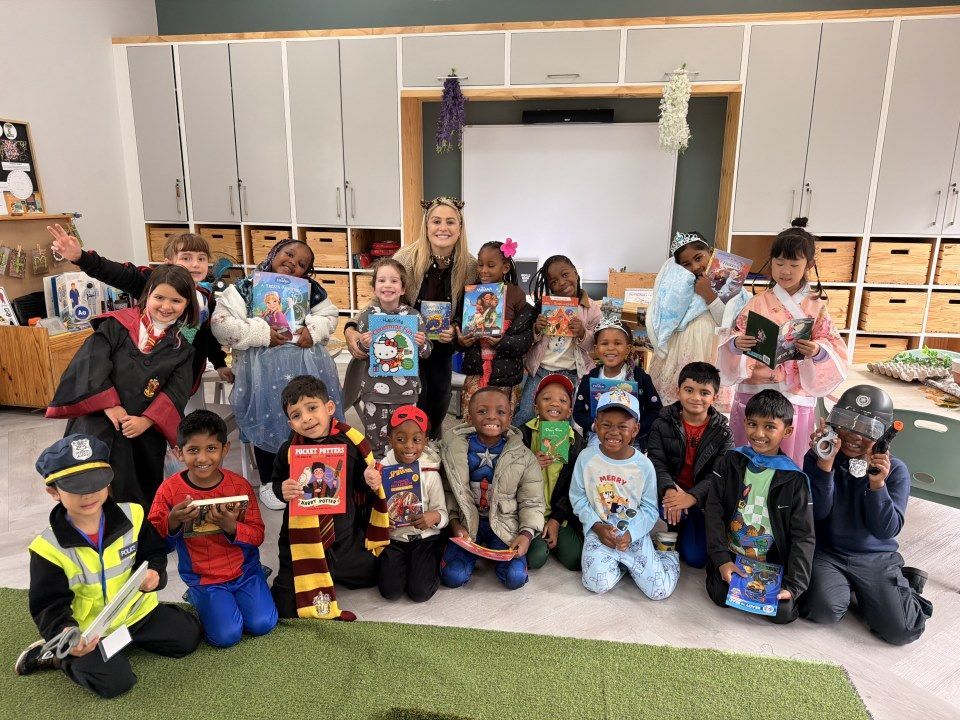
Our preschool celebrated World Book Day with great excitement and imagination. The children arrived dressed as their favourite storybook characters and proudly brought along their special books to share with their friends. It was a wonderful day filled with storytelling, creativity and a growing love for reading.  
Respect, Diversity and Inclusion  


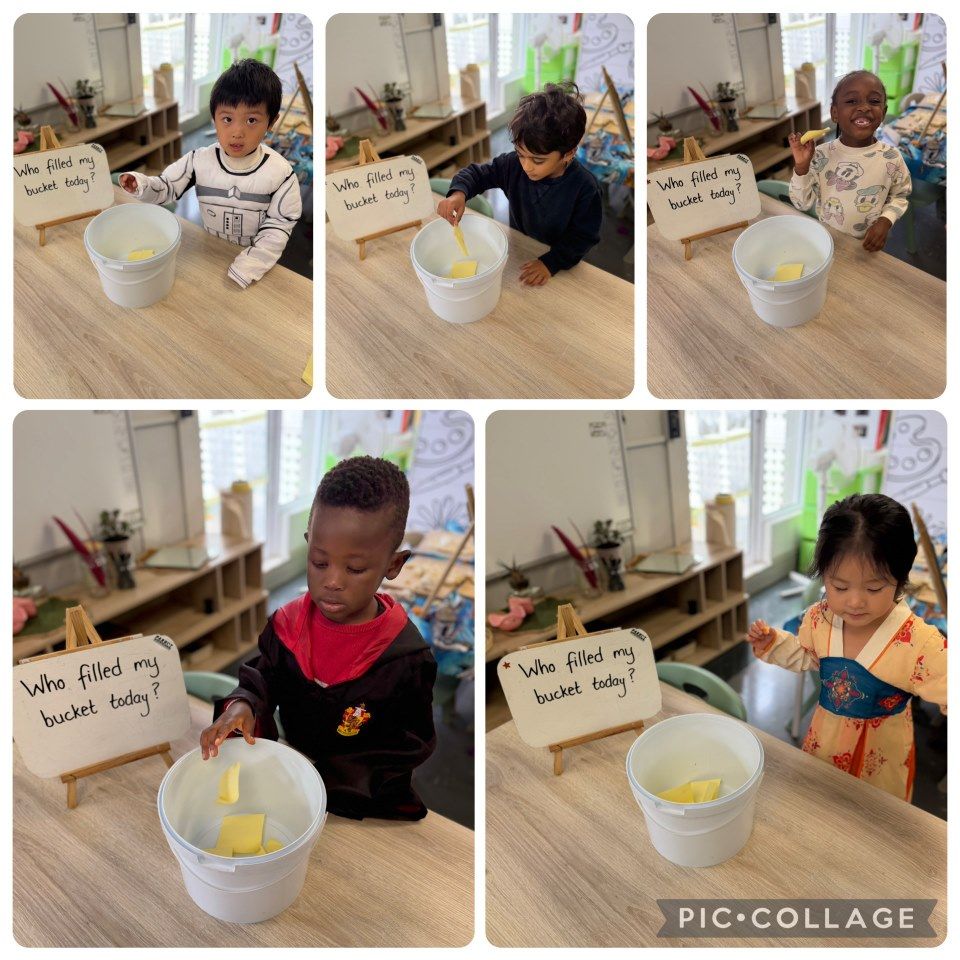
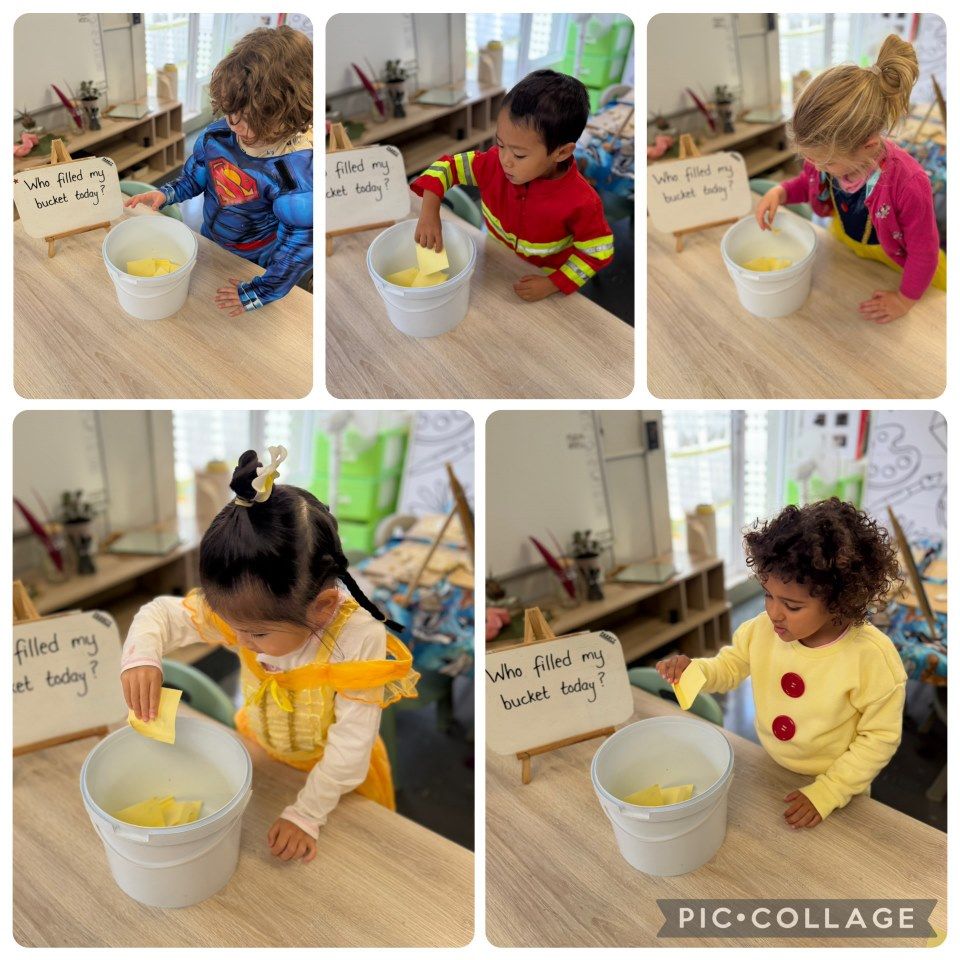
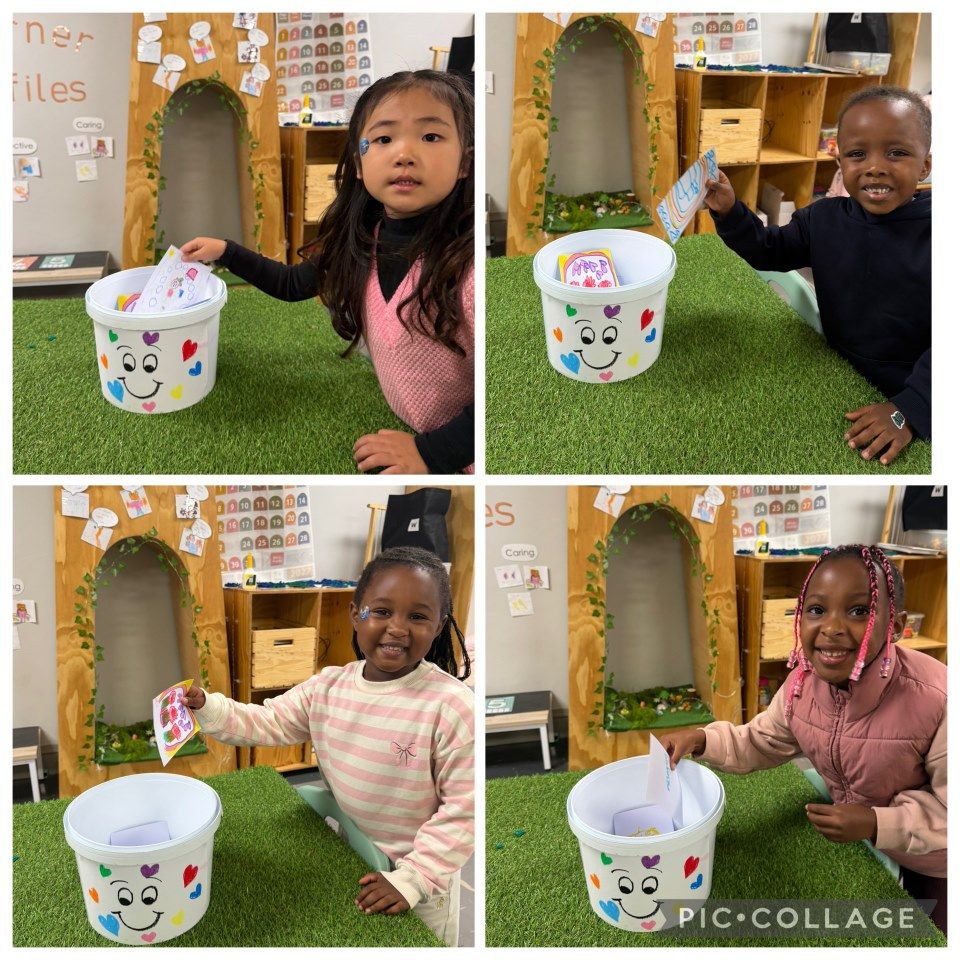
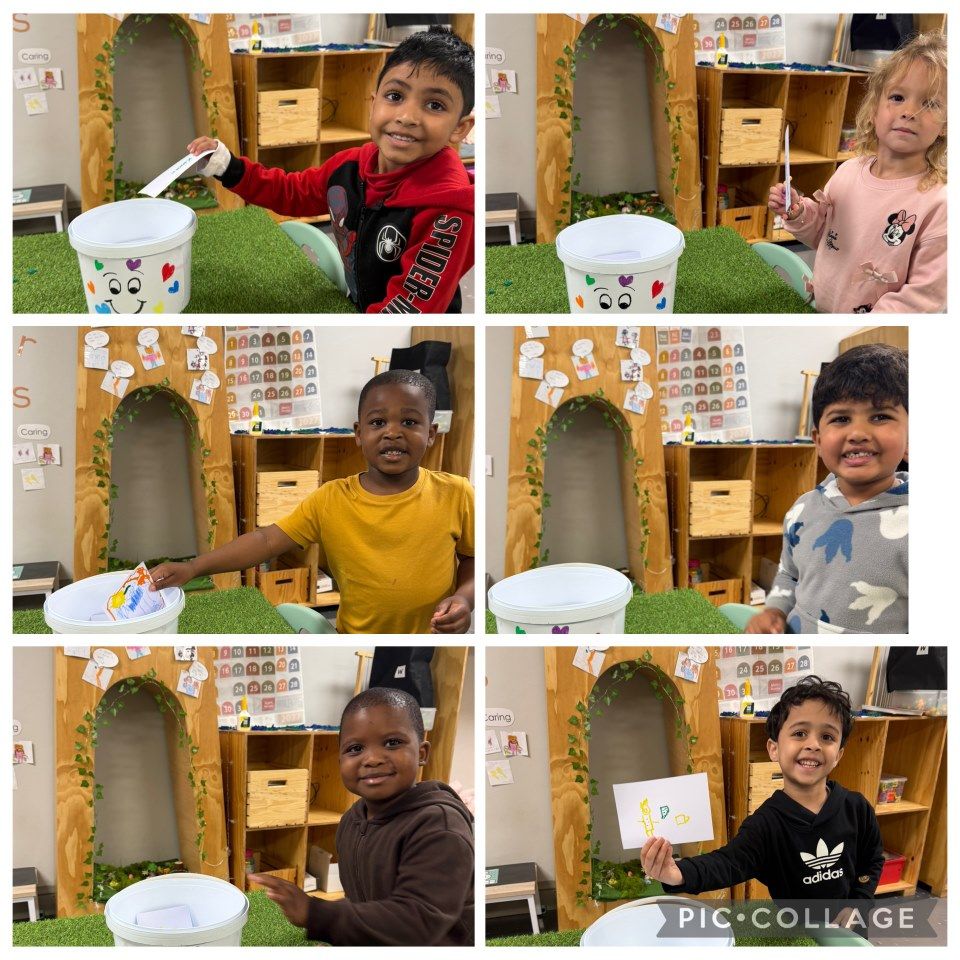
This week, our Grade 00 students engaged in a RDI (Respect, Diversity, and Inclusion) lesson centred around kindness and empathy. Together, we read the story Have You Filled a Bucket Today? and explored the idea of our “invisible buckets”. Through thoughtful discussions we then reflected on how our actions can fill or empty someone else’s bucket.  


The students eagerly shared ideas about how they can be bucket fillers, expressing what they would love their friends to do to help fill their own buckets too. To close the day, we gathered for a special story time where each student contributed a “bucket-filling moment” to our class bucket. As each message was read aloud, the room filled with smiles, pride, and a strong sense of community.  


It was a meaningful, reflective experience, and we look forward to continuing to build a classroom culture rooted in kindness, respect, and inclusion every day.  


A Special Visit from the Puppy Guide Dogs at Our Preschool  


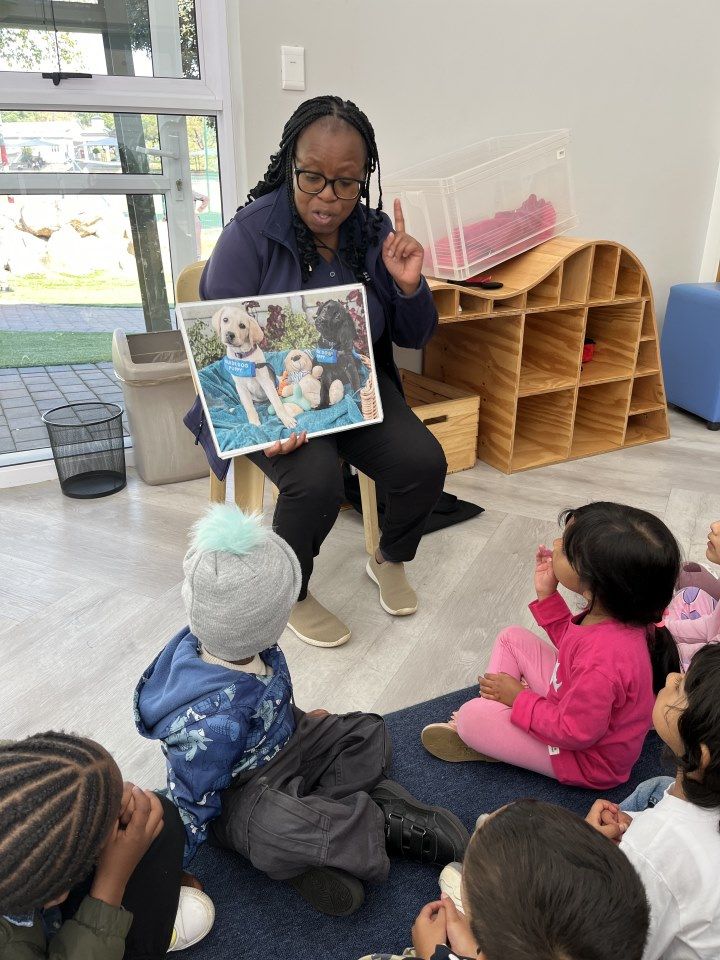
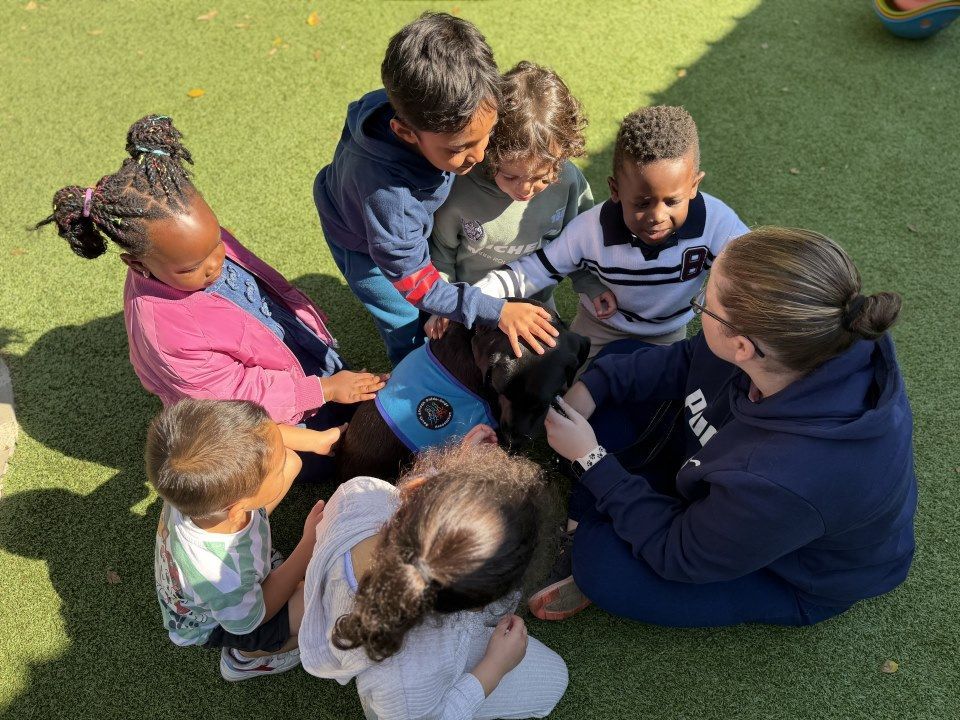
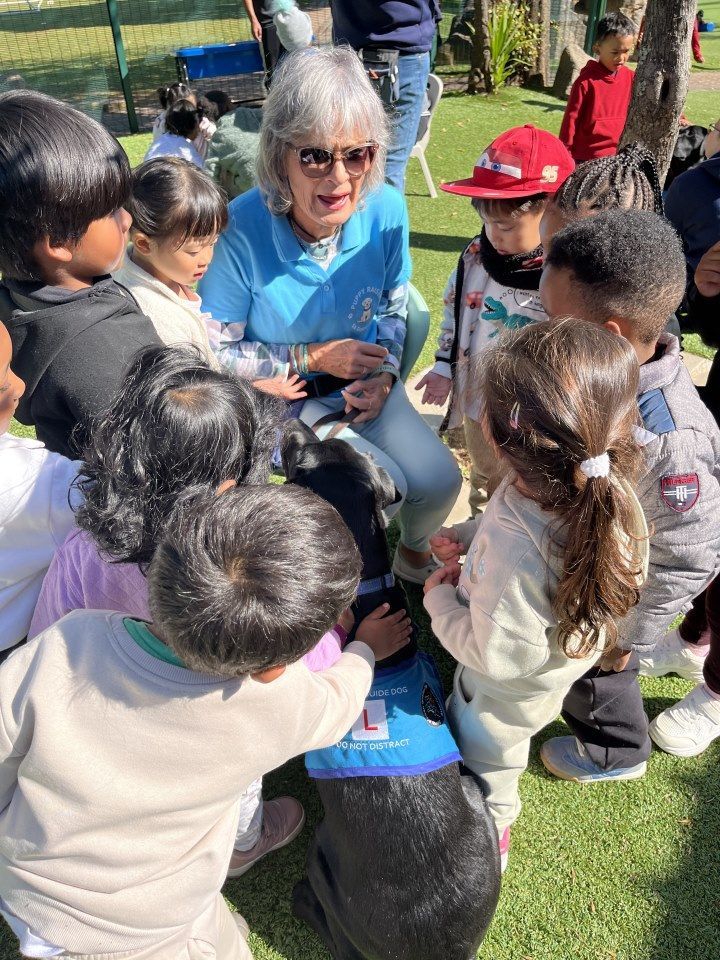
We were delighted to welcome lots of very special guests that came to visit our preschool, the raiser's and their Puppy Guide Dogs.  


Guide dog puppies live with their Puppy Raiser’s until they are between 18 months and 2 years. Then they go into full-time training if they pass all the tests along the way. They could either be Guide Dog for a blind or partially sighted person or could become a Service Dog and be a companion for someone who needs that constant support.  


They have weekly training and have fun learning new things and being exposed to many different experiences with their puppy raiser family.  


Puppy Guide dogs wear a special blue jacket, which allows them to go into shops and restaurants where most other pets are not allowed.  

The children had the incredible opportunity to meet and interact with these amazing doggie companions, learning about the significant role guide dogs play in helping people with visual impairments.  


Through gentle demonstrations, each child had the chance to feed them a little treat and pat or stroke them on their bodies. What an exciting experience.

Preparatory 

Eco Art 


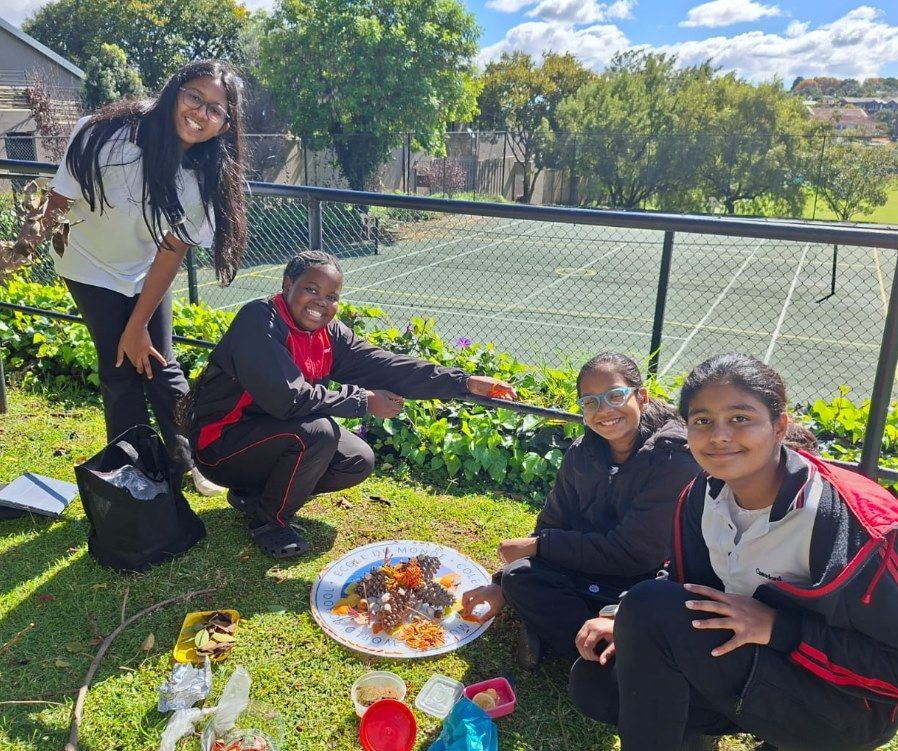
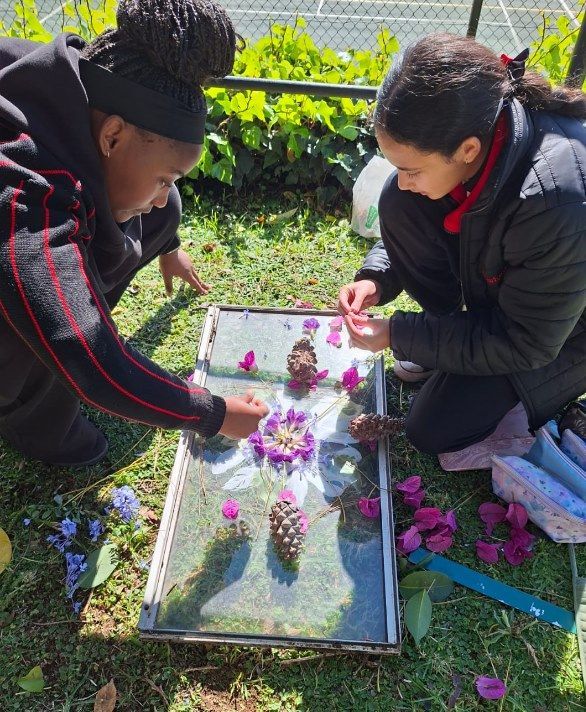
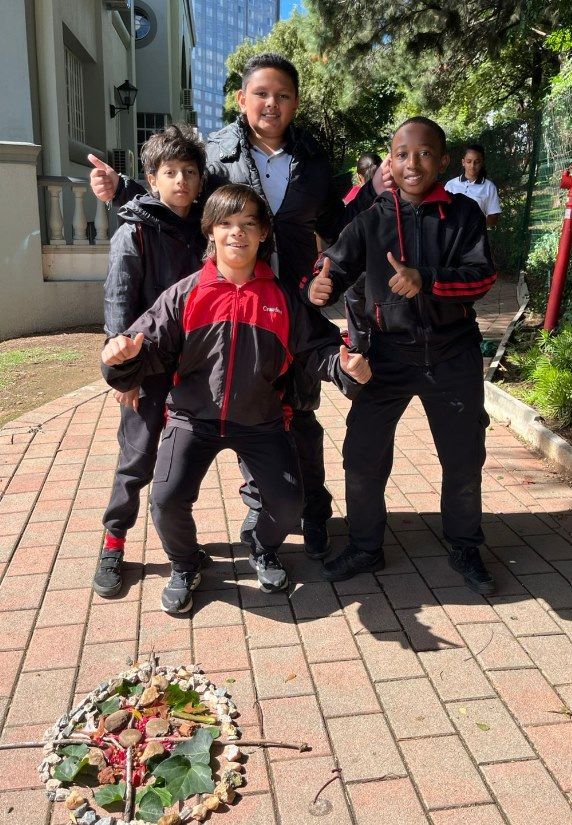
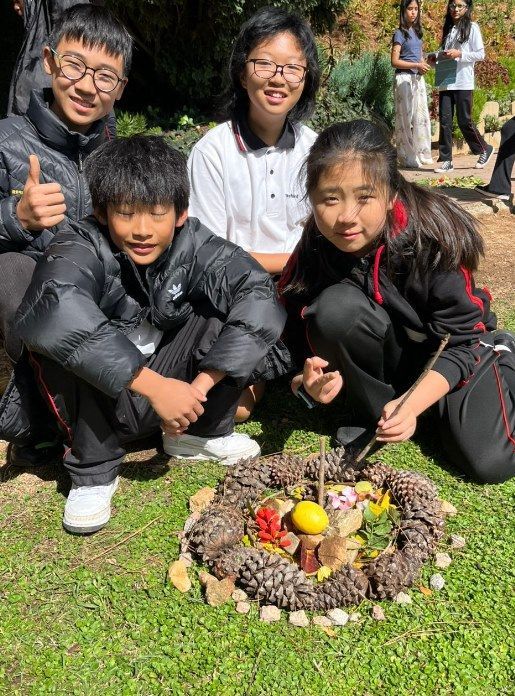
Our Grade 6 Eco students created beautiful Eco Art inspired by one of the five elements while exploring the Transdisciplinary Unit theme, “Sharing the Planet.”  


Their presentations were thoughtful, creative, and visually striking, showcasing not only artistic talent but also a deeper understanding of our connection to the natural world.


The students’ work was greatly admired by all who viewed it, a wonderful celebration of creativity, collaboration, and environmental awareness. 

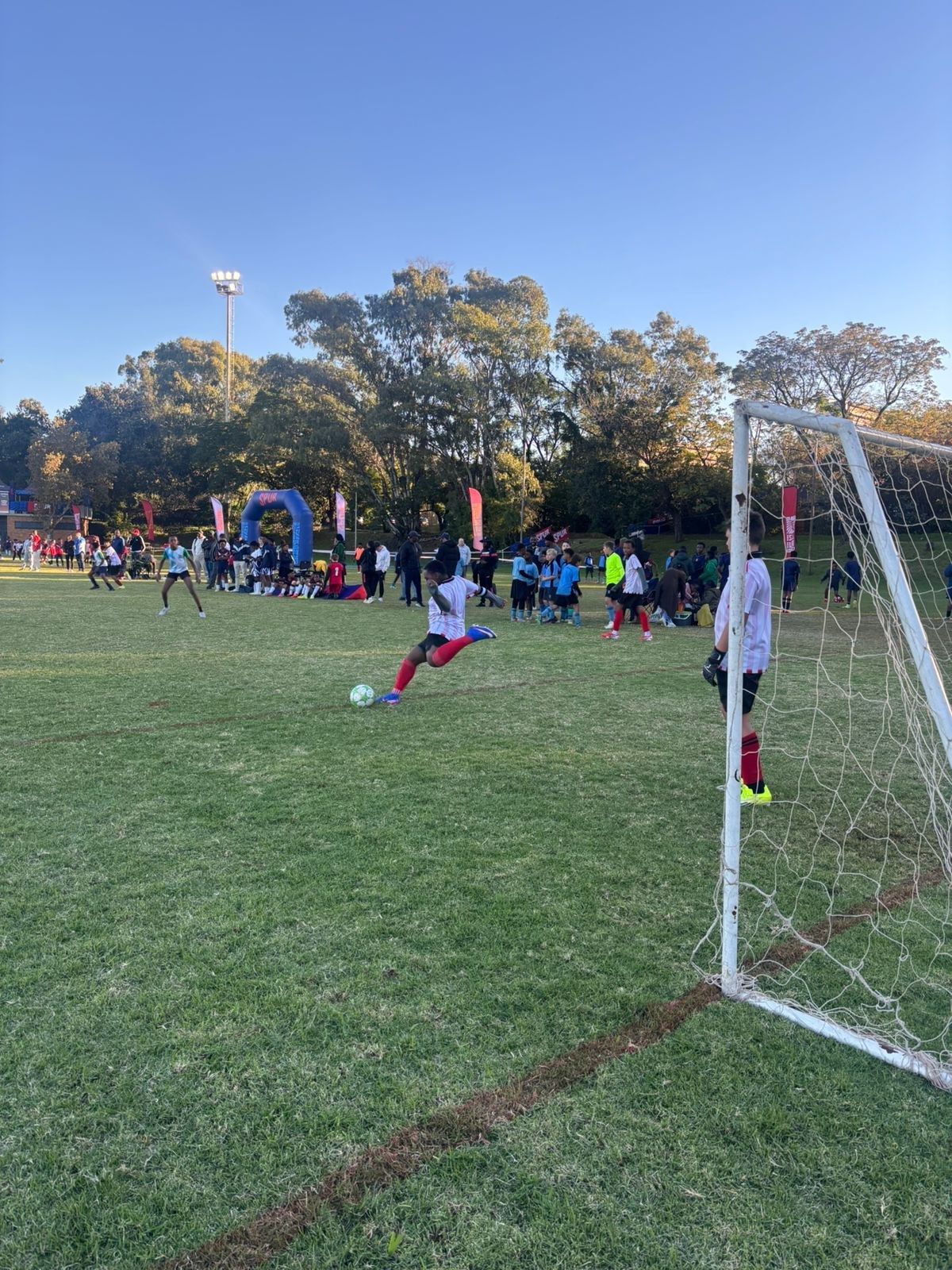
Crawford Pretoria Night Soccer Festival  


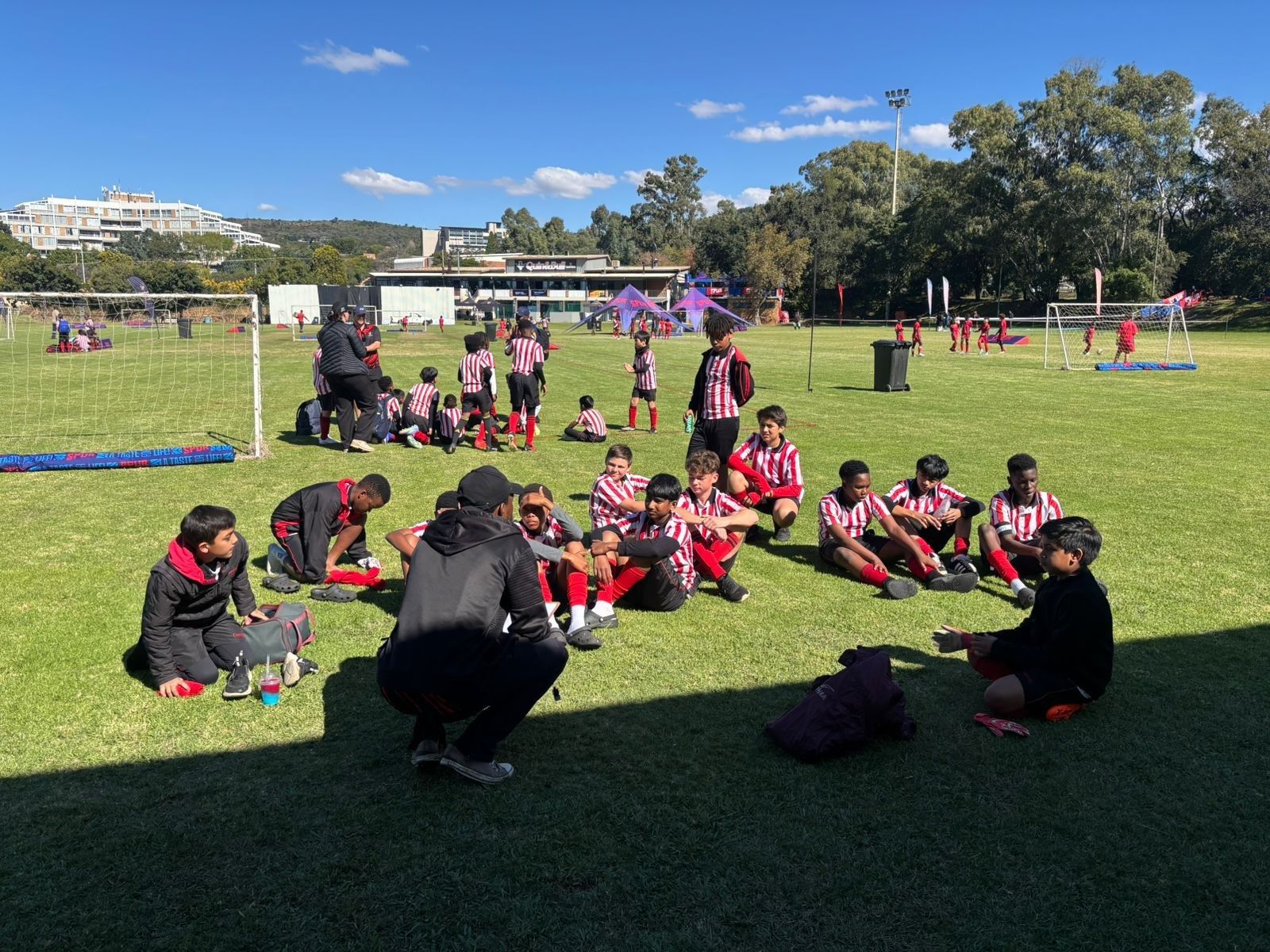
Congratulations to all the players who participated in the Crawford Pretoria Night Soccer Festival on Friday, the 8th of May. It was an evening filled with incredible skills, happy memories, and plenty of fun. Our players played so well with the following results.  


U11's were in an incredibly tough pool, not losing any of their games, but unfortunately not making the quarter-finals. This goes to show how strong the competition was in the age group.  


U10's made it through to the semifinals, and in the last 30 seconds, their opponents were awarded a penalty, which was converted. Well done, boys. I know it was disappointing, but we are so proud of you. 


U13's made it through to the finals of the festival with an incredibly tough loss to take. They worked so hard the entire Festival, and to lose in the finals was difficult. Coming second is no small feat, boys; you can be incredibly proud regardless.  


Thank you to all the parents who came through to support us. A special thank you to Miss Rebelo and Miss Palani for giving up their Friday evening to help and support our players; it is appreciated.  

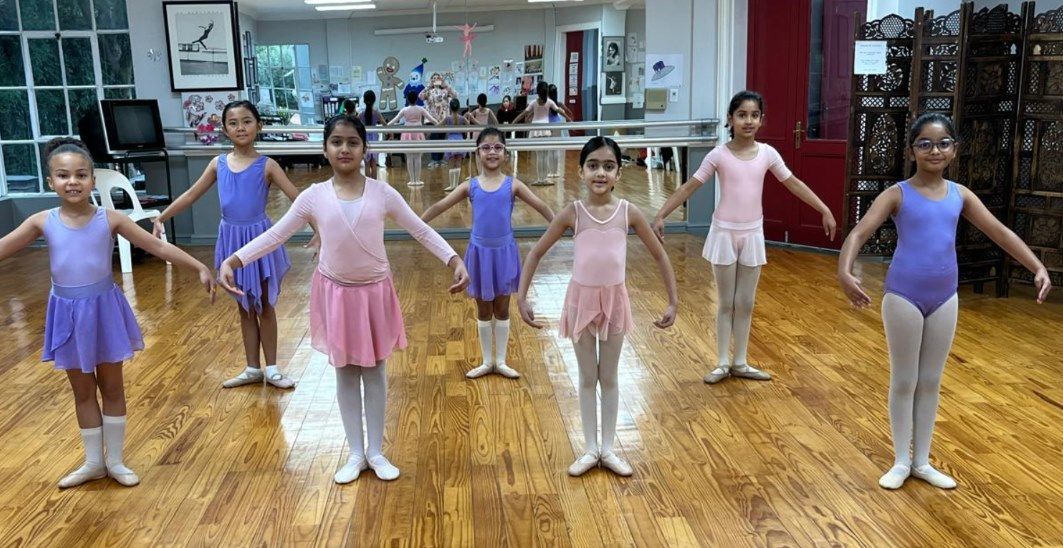
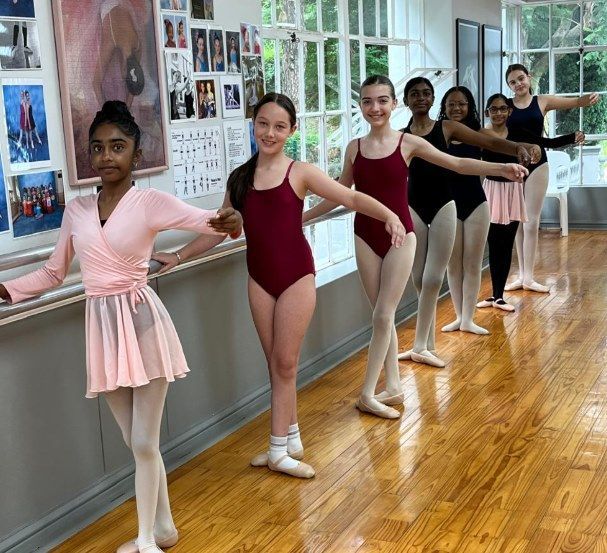
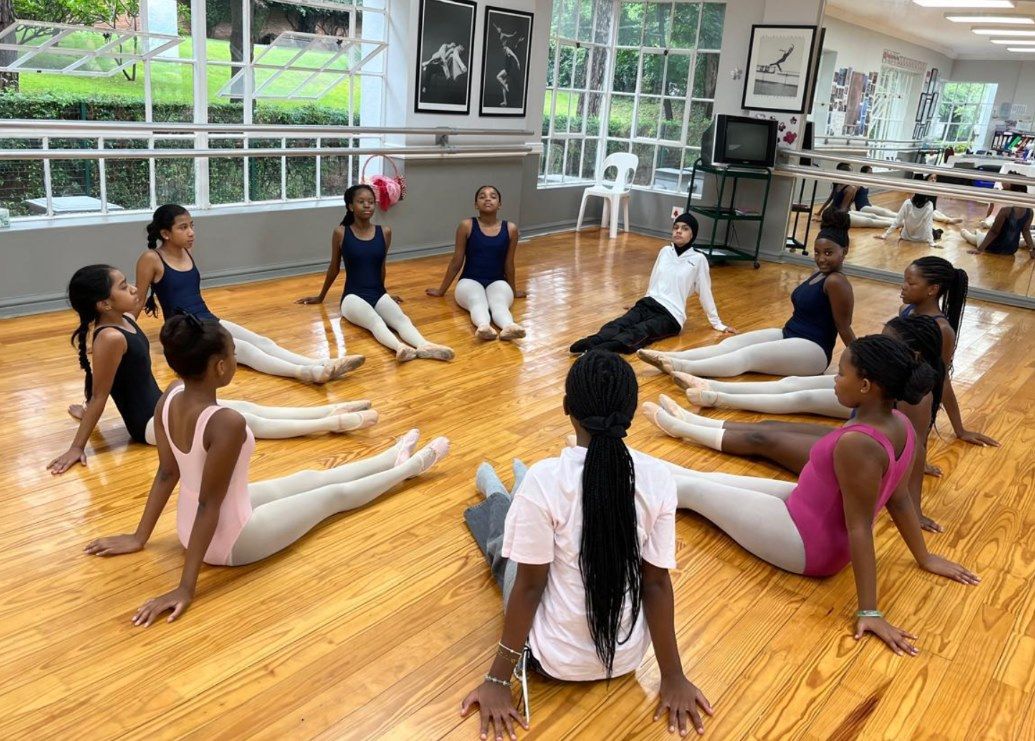
Ballet in Action 


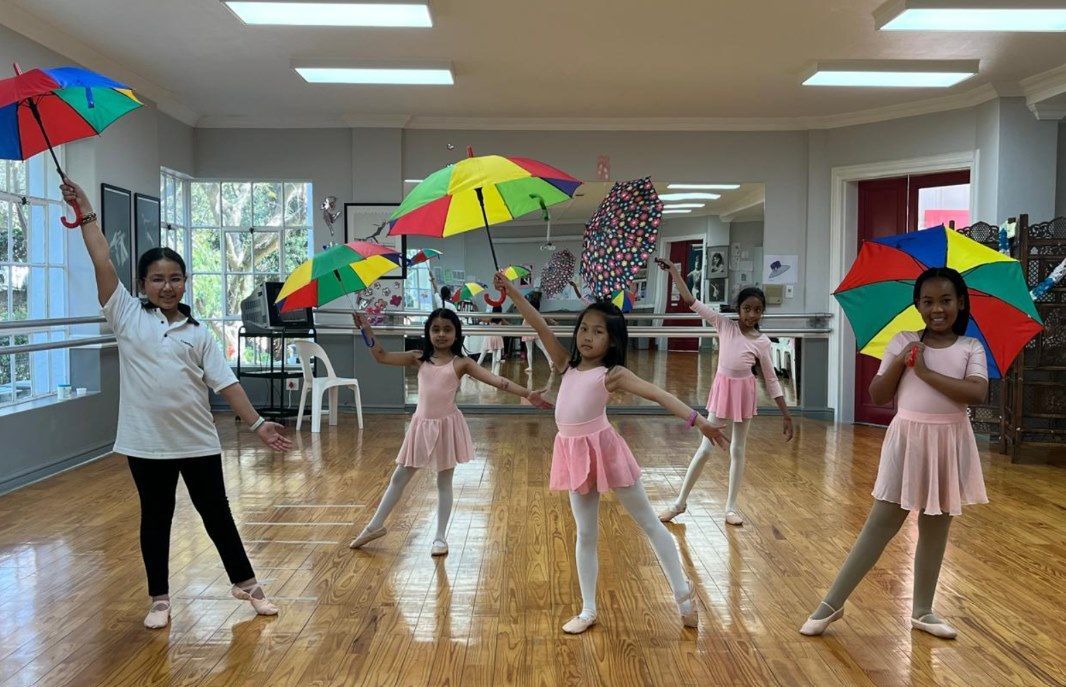
Our ballet students have shown wonderful dedication, grace and creativity these past few weeks. It has been a joy to watch their confidence and love for dance grow with every performance and practice session. We are so proud of our talented dancers!  
College  

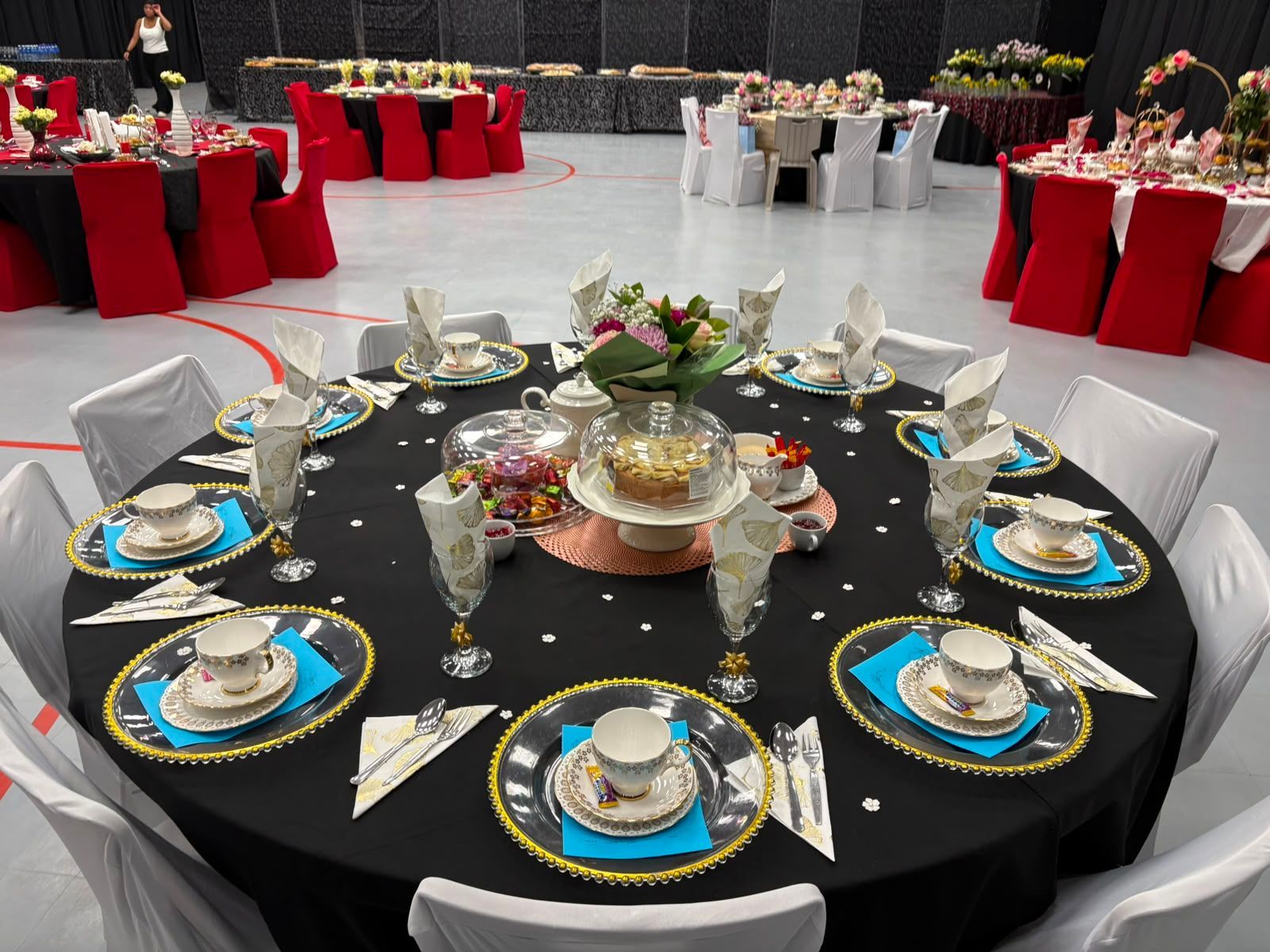
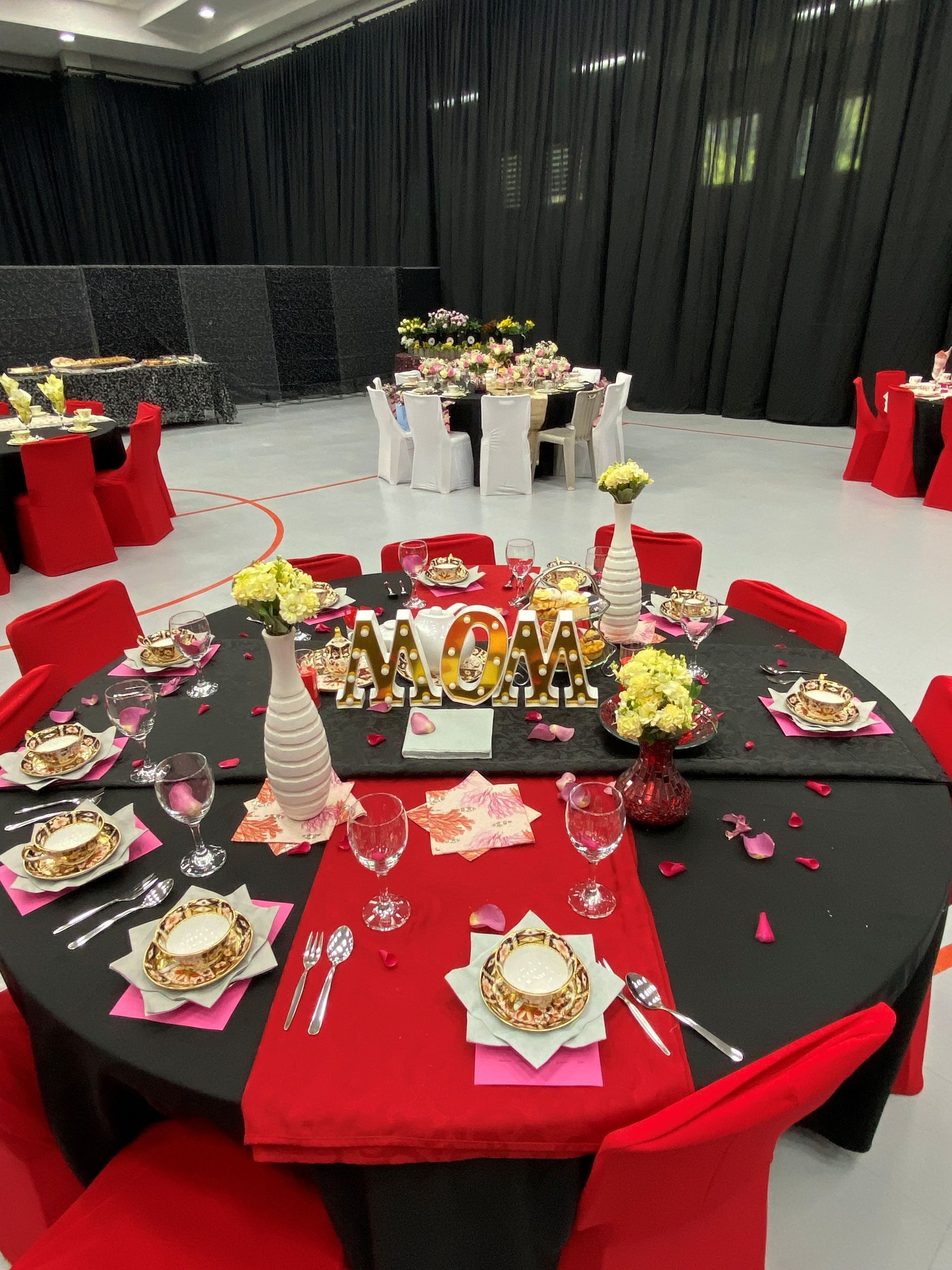
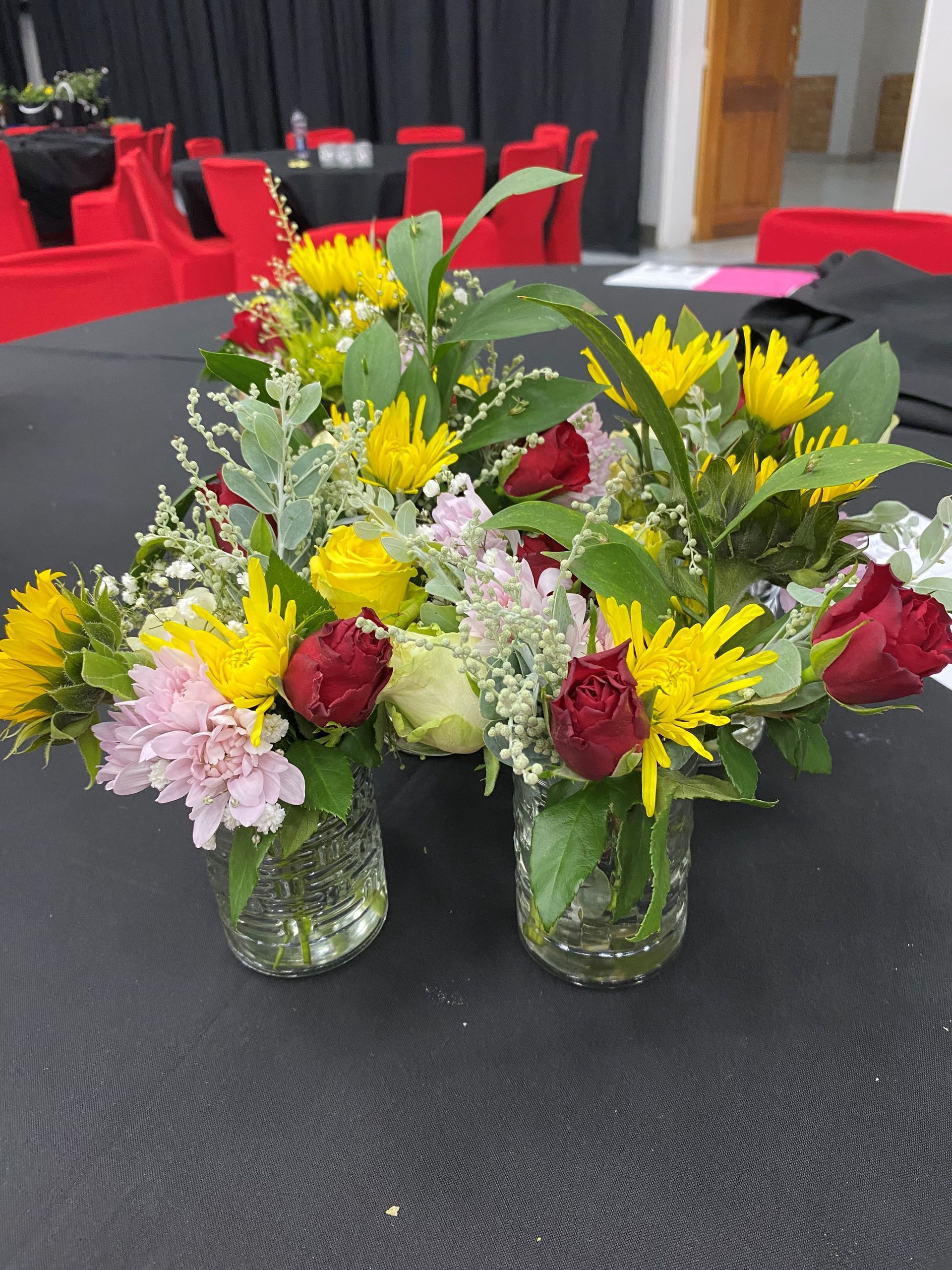
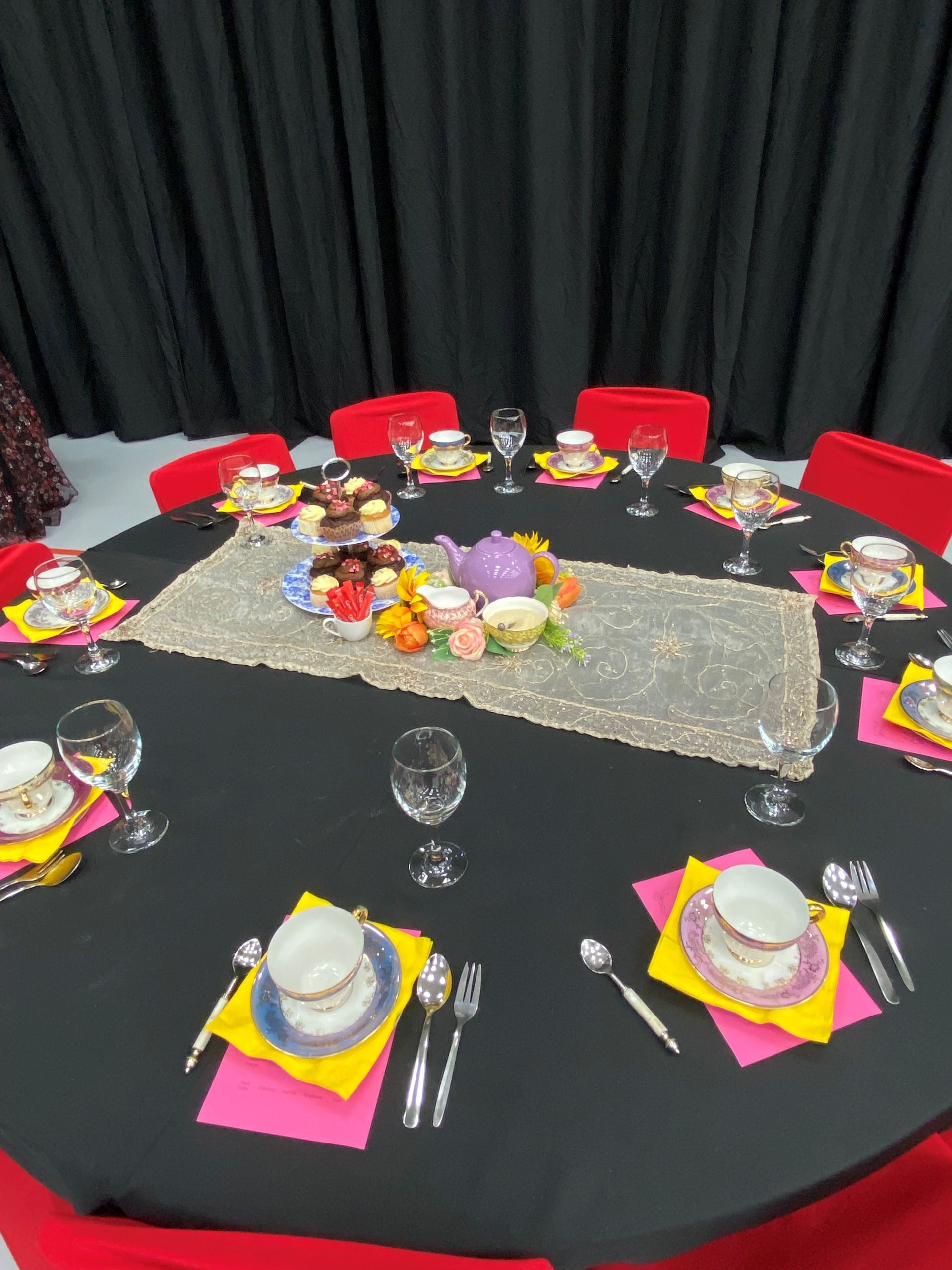
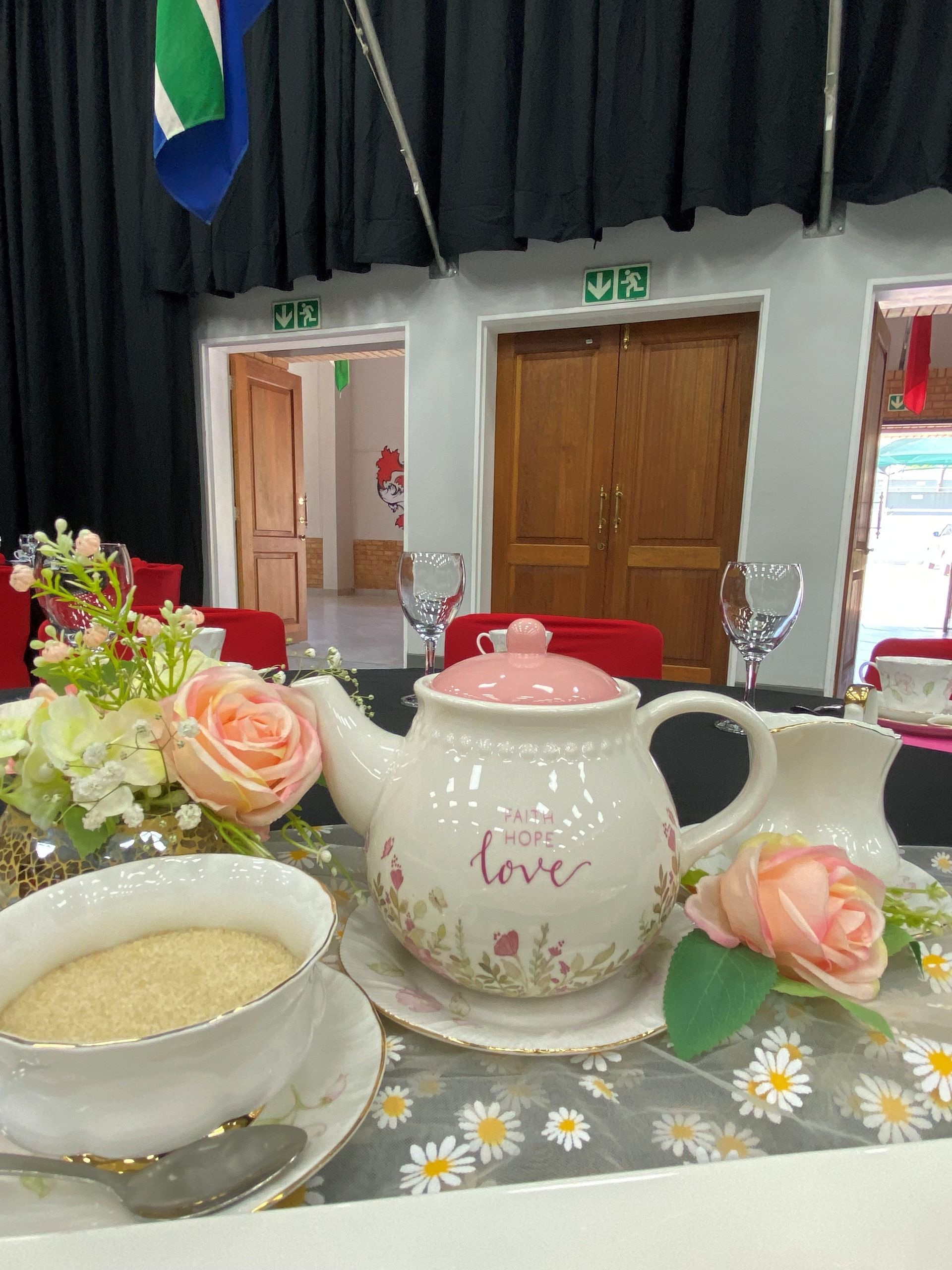
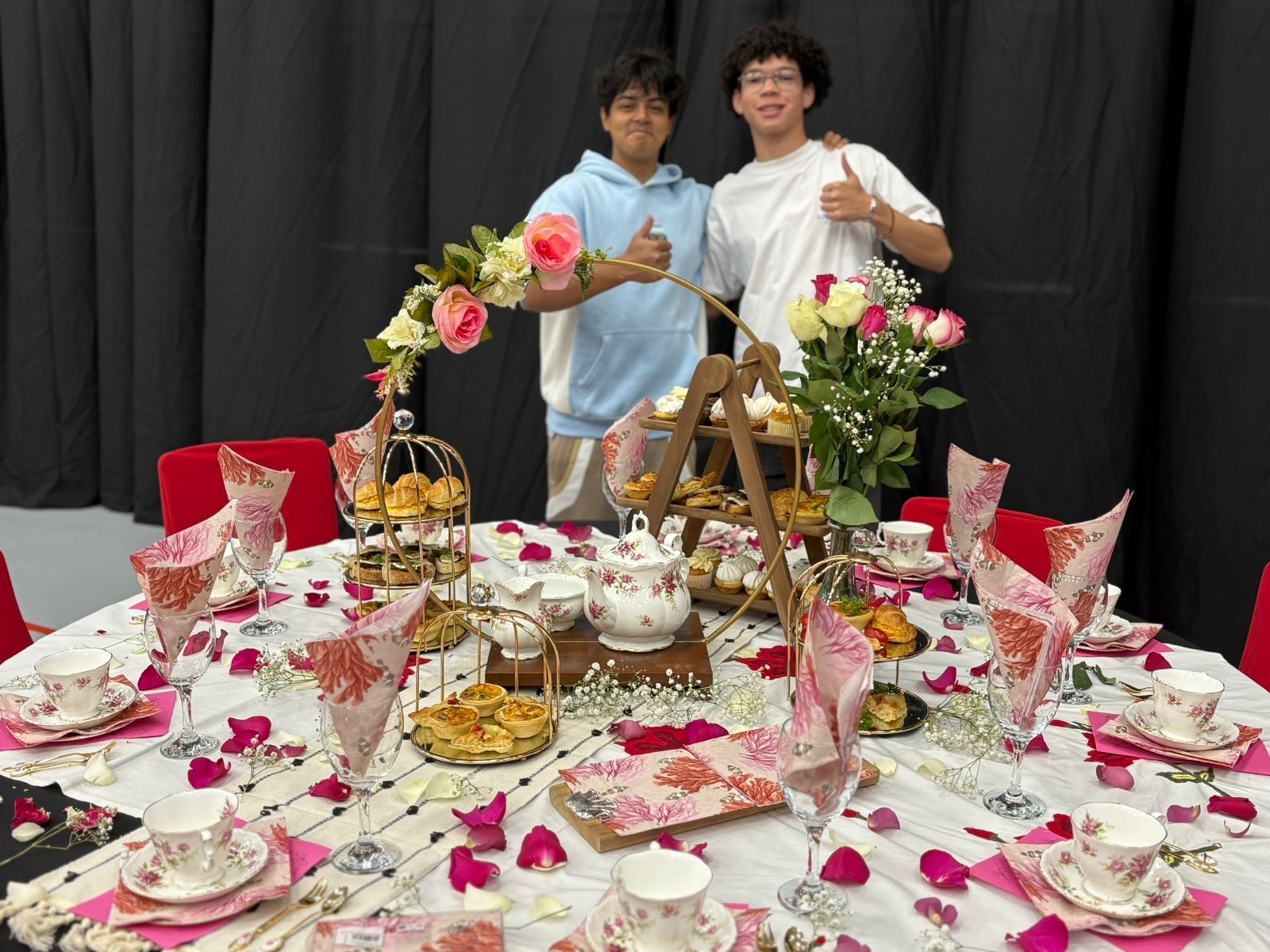
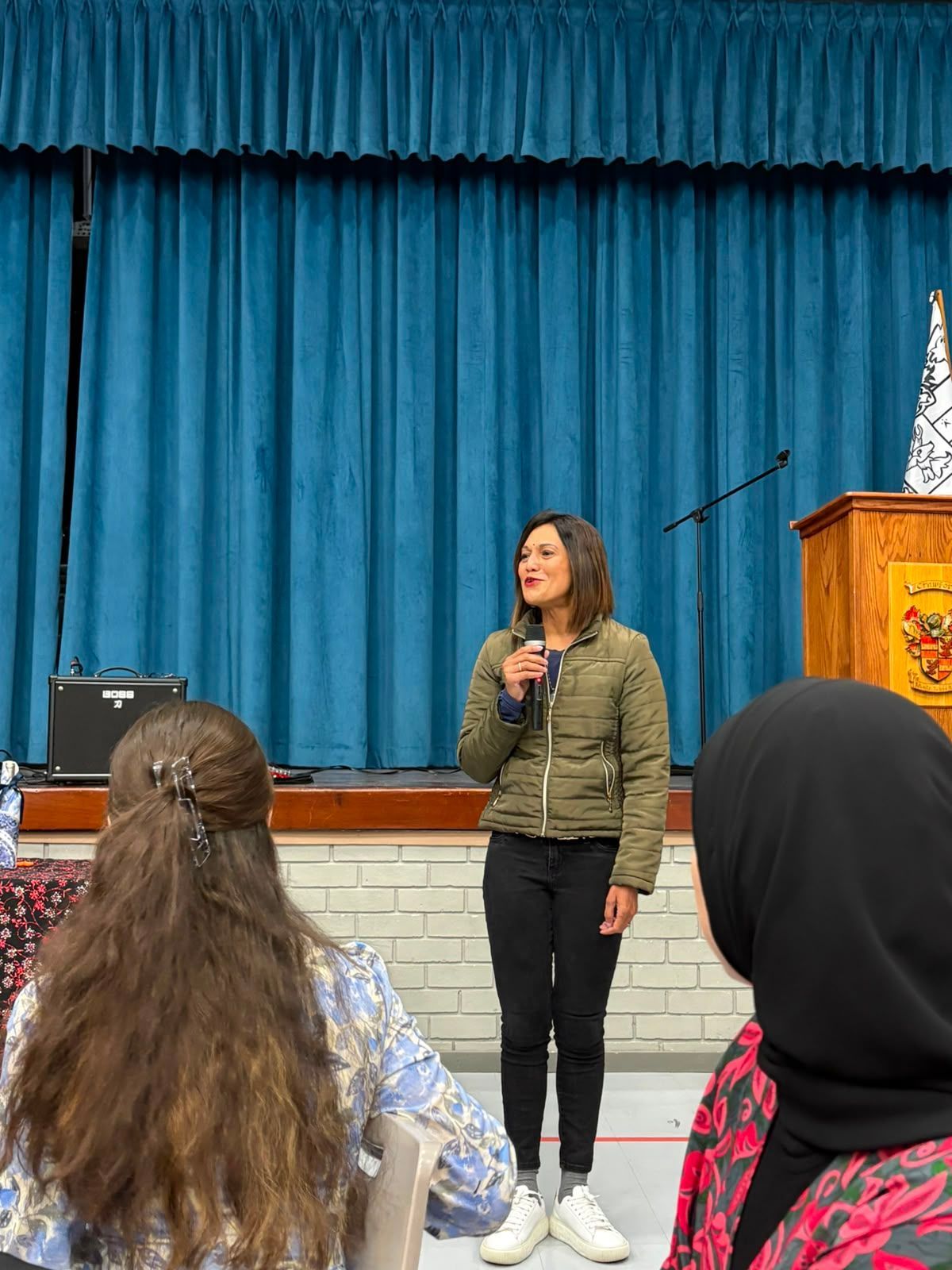
An Afternoon of Gratitude: The Grade 11 Mother's Day Tea  


The Mother's Day Tea hosted by the Grade 11 group of 2026 was a truly memorable and heartfelt occasion that celebrated the incredible mothers and mother figures in our school community. Filled with warmth, laughter, gratitude, and love, the event created special memories that will be cherished for years to come.  


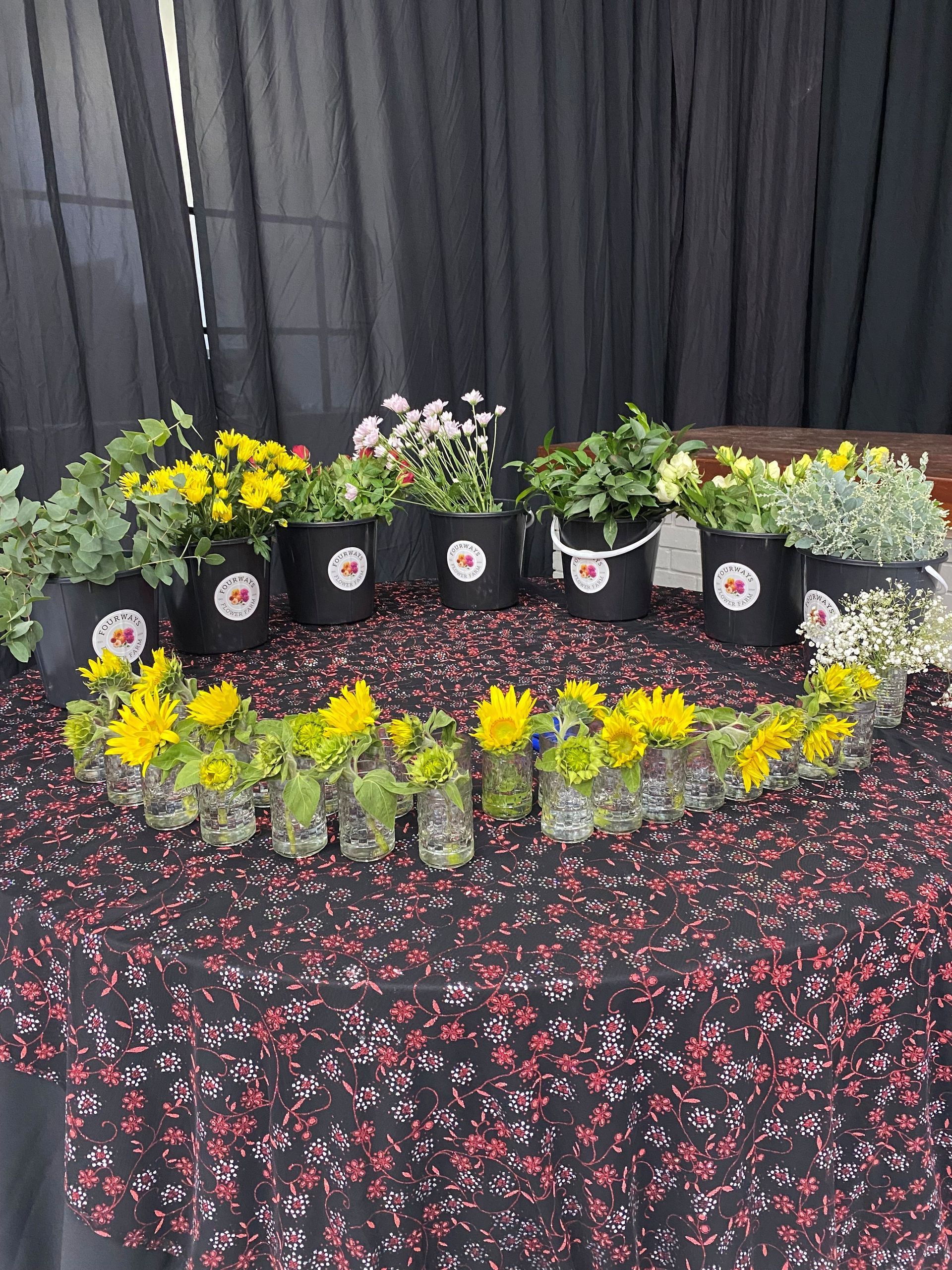
On 9 May, mothers arrived at the school hall, where they were warmly welcomed to an afternoon of celebration and connection. The atmosphere was filled with joy as mums enjoyed a relaxing cup of tea accompanied by delicious snacks and treats. The event included fun and engaging activities such as handbag bingo, which brought plenty of laughter and excitement, as well as flower arranging, where creativity and beauty flourished.  


A special brainstorming session saw mothers and their children sharing ideas and activities they could do together to strengthen their bond and spend more quality time with one another. From simple ideas such as baking together, going for walks, having movie nights, and enjoying tea dates, to creating new family traditions and memory-making experiences, the activity encouraged everyone to appreciate the importance of time spent together. It served as a heartfelt reminder that the greatest gift we can give our mothers is not only words of appreciation, but also meaningful moments shared.  


One of the highlights of the afternoon was listening to the inspirational speeches and heartfelt life stories shared by Mrs Baijnath, who enlightened us on her journey as a mum balancing work life with mum life and reminded our mothers of the importance of taking care of themselves. Mrs Naidoo reminded our mothers that watching your child leave the nest is the ultimate proof of successful parenting. Their wisdom, strength, and experiences touched everyone present and reminded us of the immeasurable role that mothers play in shaping our lives with love, sacrifice, and guidance.  


 We would like to honour and thank all mothers for the endless love, care, encouragement, and sacrifices they give every day. Mothers are often the quiet strength behind our success and the comforting presence during every challenge. This event was a small token of appreciation for the remarkable women who inspire us daily through their kindness, resilience, and unconditional love.  


A special word of appreciation must be extended to our dedicated teachers, Miss Gordon and Mrs Lombard, whose hard work, guidance, and commitment played an enormous role in the success of the event. Their support, organisation, and countless hours of preparation ensured that the Mother's Day Tea was both meaningful and beautifully executed. We are deeply grateful for their contribution and for helping us create such a special occasion.  
  

The Grade 11 Mother's Day Tea was more than just an event – it was a celebration of family, gratitude, and togetherness, leaving everyone with full hearts and treasured memories.  
  

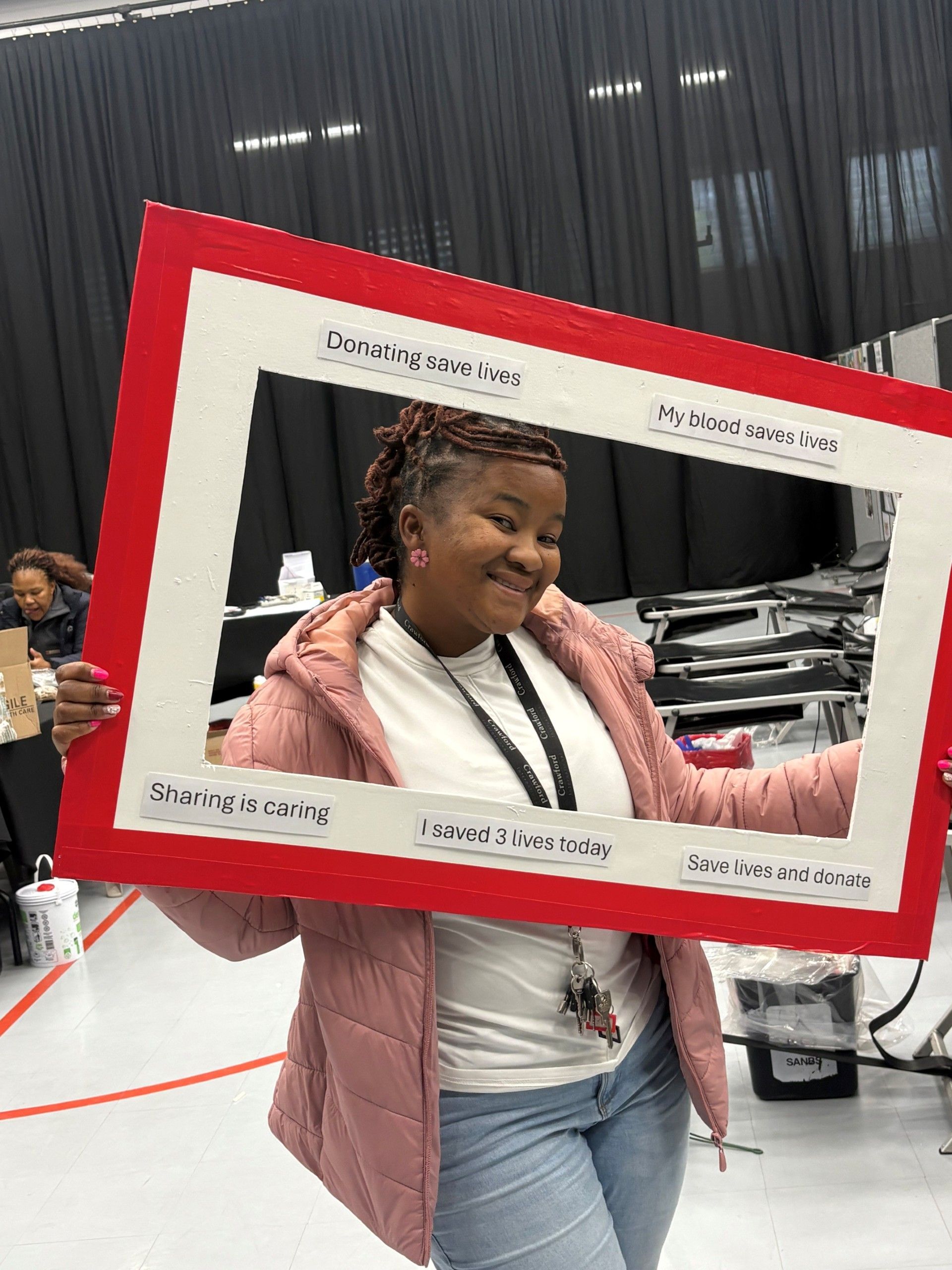
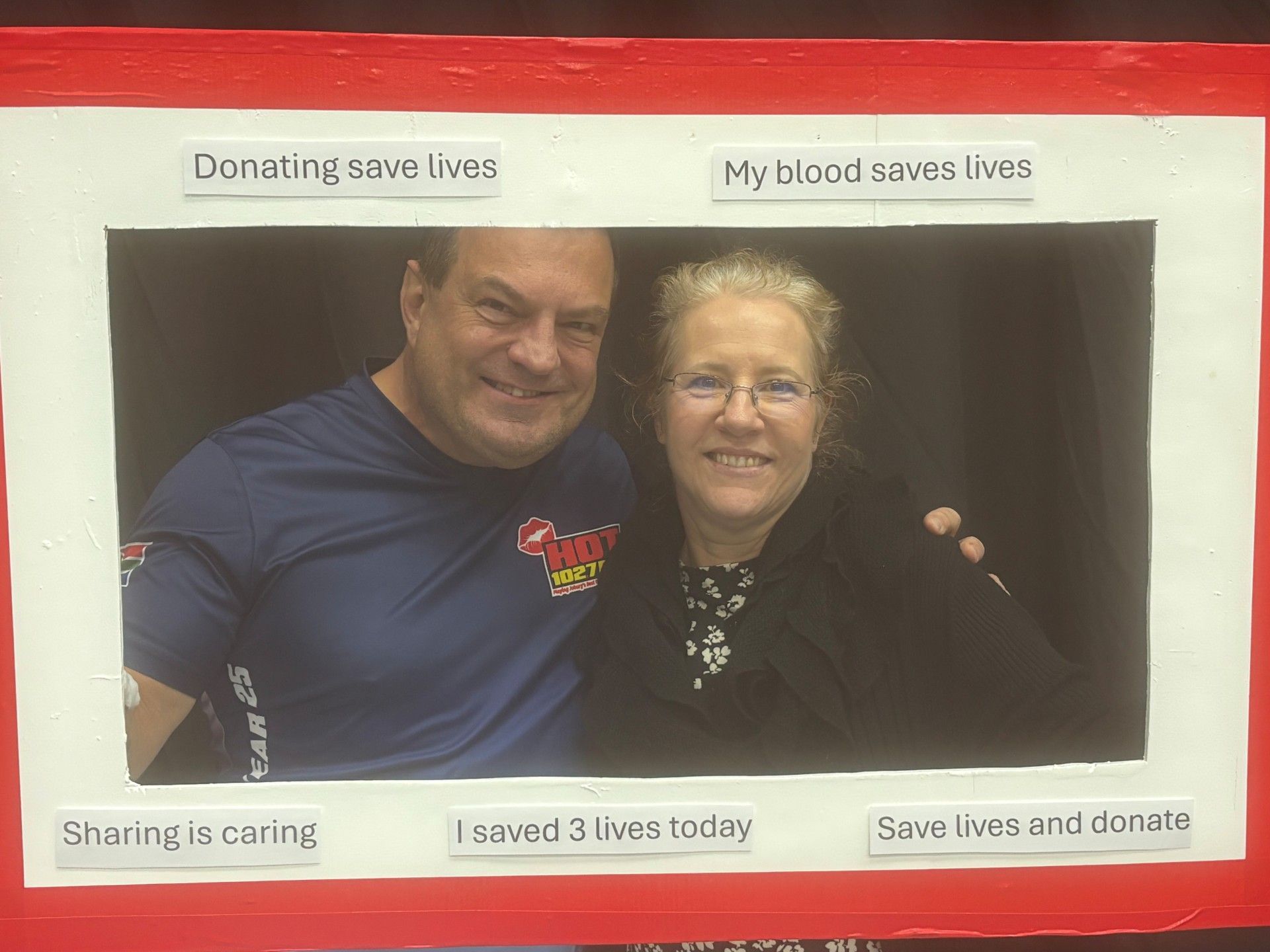
Dedicated Donors Back the Blood Drive  


On Friday, 8 May, the Crawford International Sandton College community came together in an inspiring show of compassion and generosity during our second blood drive for 2026. We are proud to announce that a total of 43 donations were collected. We were joined by 14 new donors who stepped forward to donate for the very first time.  


Every donation has the potential to save lives as they will go on to help patients in need across our community. The willingness of our staff, students, alumni, and family members to give so selflessly reflects the caring spirit that makes CISC such a special place.  


A heartfelt thank you goes out to everyone who participated and supported the initiative. Your sacrifice and generosity truly demonstrate the power of community and the importance of helping others.  
  

Together, we are making a difference: one donation at a time.  

We are incredibly proud of your dedication, talent, and achievements, and we wish you all the best on the international stage.  

Game On: Basketball Playoffs Edition 


The long-awaited Rainbow League Basketball Playoffs took place at our College on Friday, 8 May 2026, following multiple weather-related postponements.  


The afternoon began with the boys’ semifinal, where our team faced our sister school, Crawford Ruimsig. The boys delivered a dominant performance, cruising to a convincing 46 –17 victory and securing their place in the final.  


In the final, they faced a Future Nation side that was determined to challenge our title. Our boys, however, were equally prepared to defend their championship status. It was a highly competitive encounter, with the final quarter proving especially intense as both teams battled point-for-point. Showing resilience and composure under pressure, Crawford Sandton emerged victorious to retain the title with a final score of 33 - 27.  
  

Our girls team competed in a much-anticipated final against one of their biggest rivals, Pretoria Girls High. The first half proved challenging, but the team showed tremendous character and determination to fight their way back into the contest. The second half saw a spirited performance as the girls dug deep and competed with heart and pride. Although Pretoria Girls ultimately claimed the title with a close score of 15 - 14, our girls displayed courage and resilience throughout the match.  


We are incredibly proud of both teams and look forward to seeing them come back even stronger in Term 3. Well done to all players and coaches on an exciting playoffs campaign!  


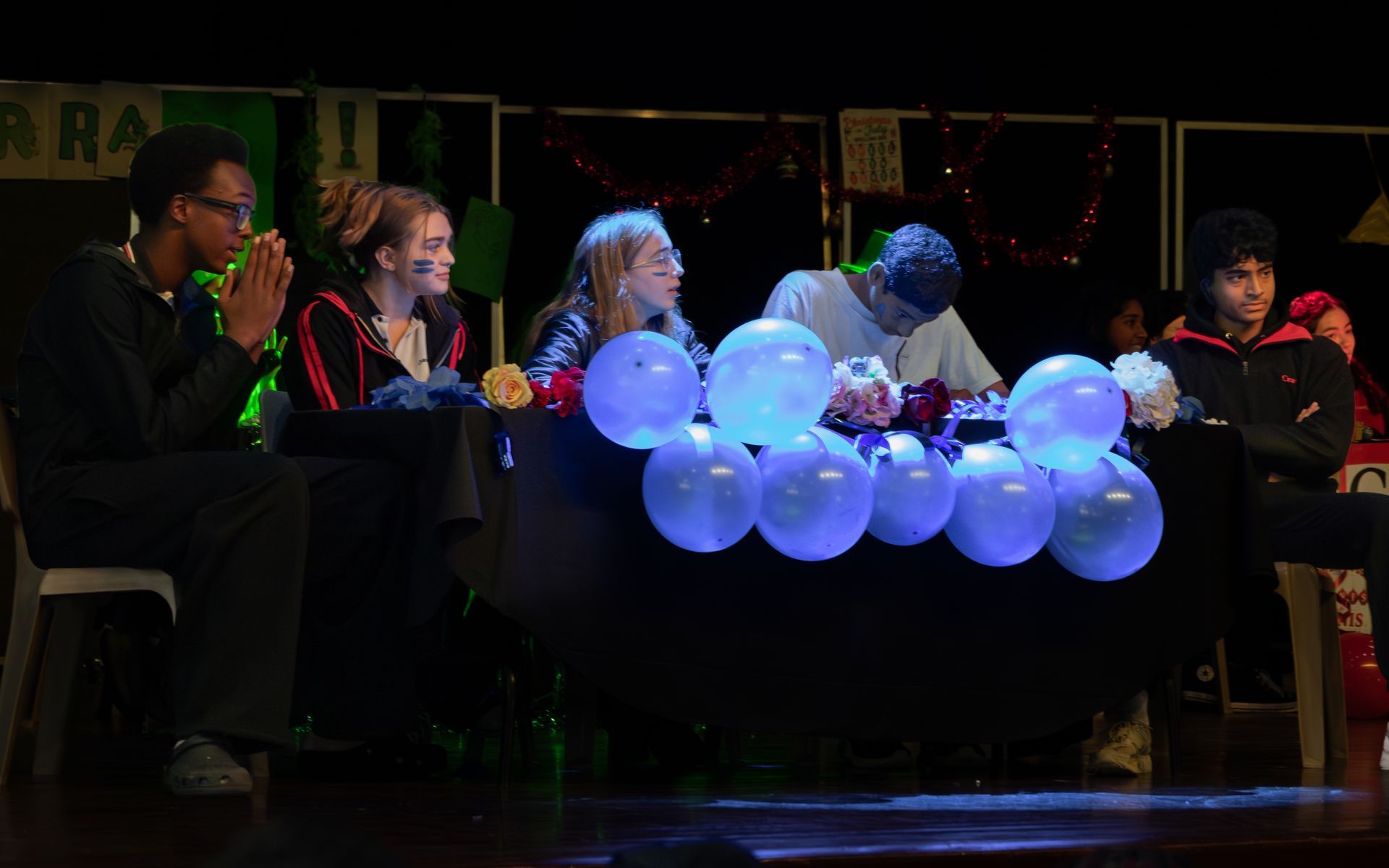
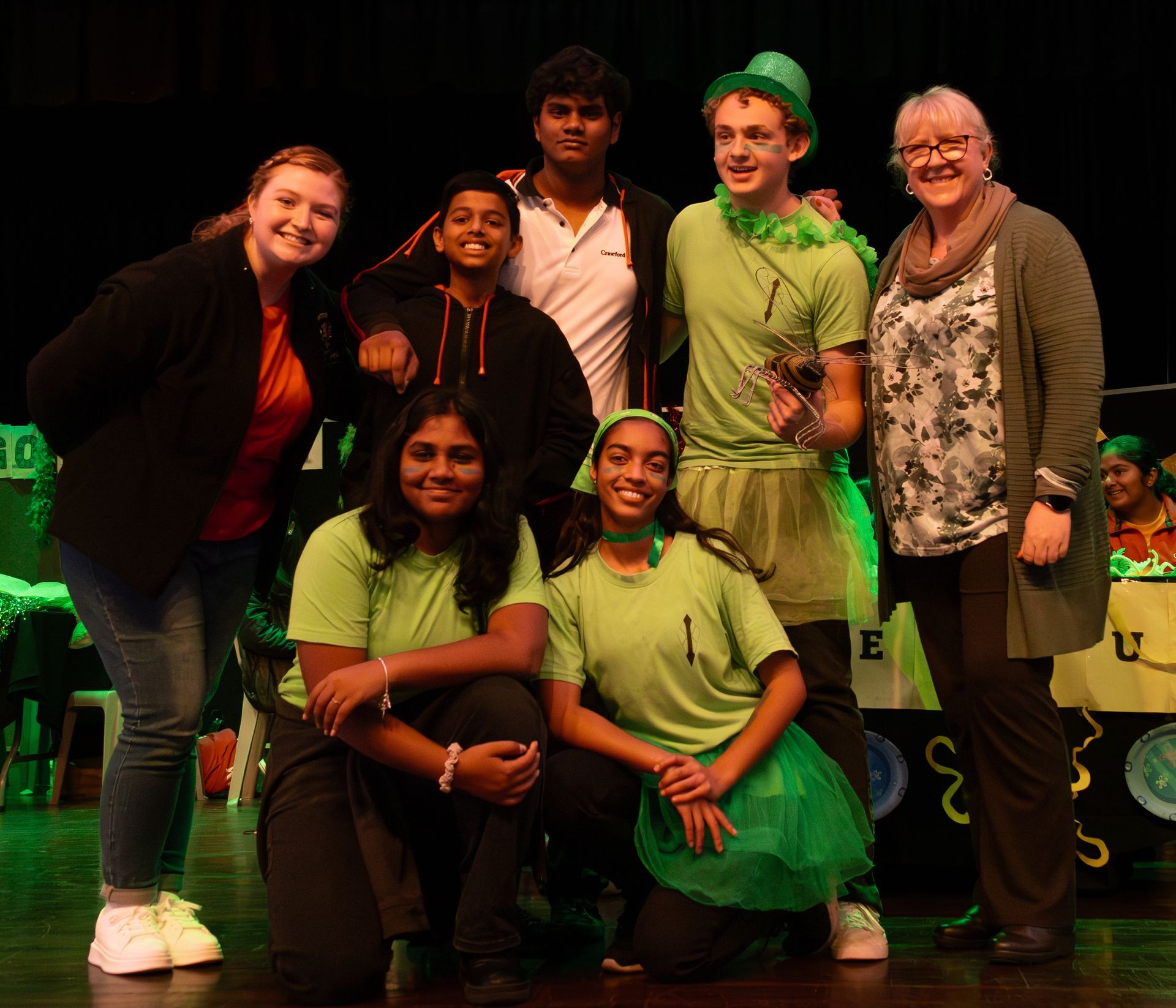
Spellbound Showdown: A Battle of Words and House Spirit  


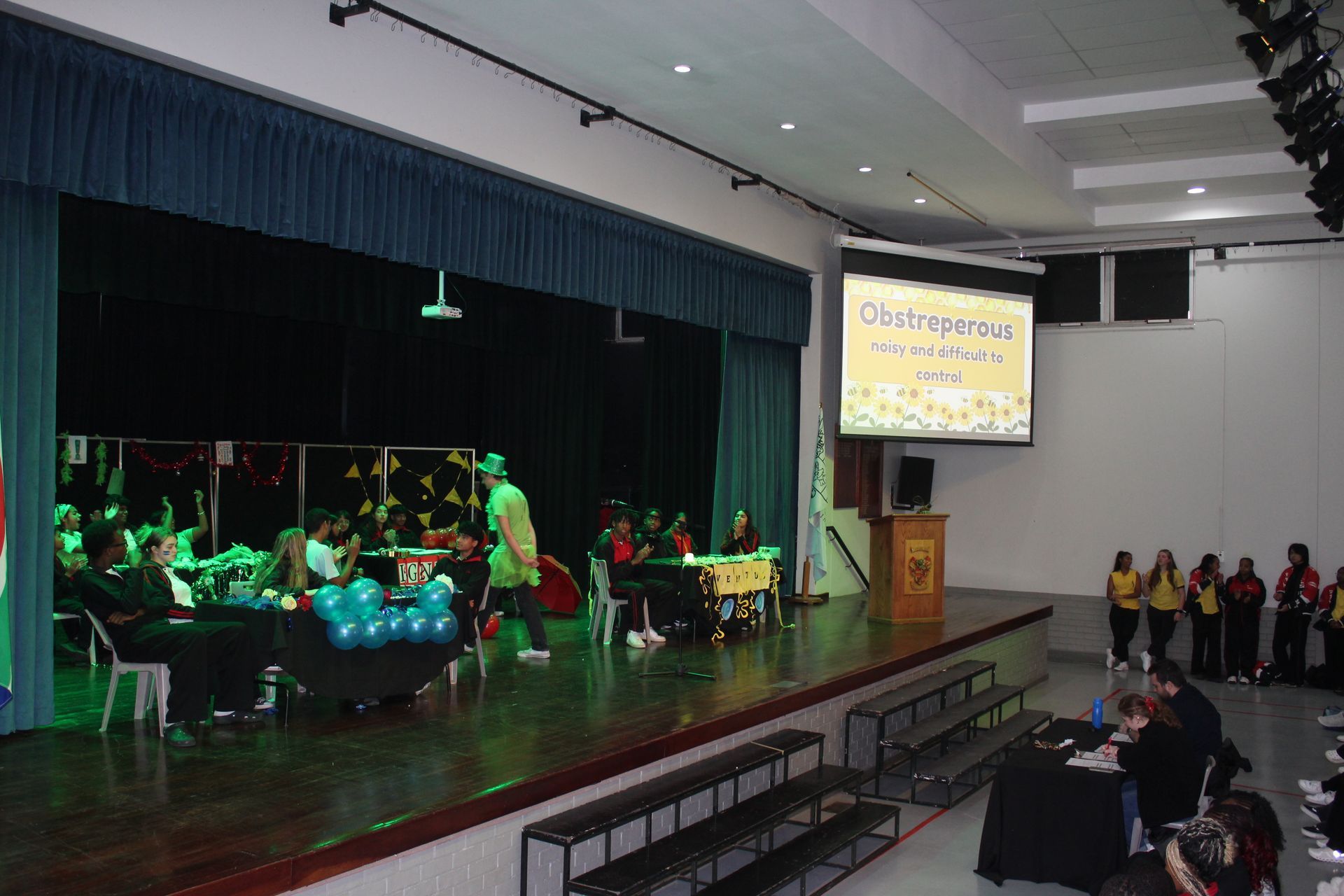
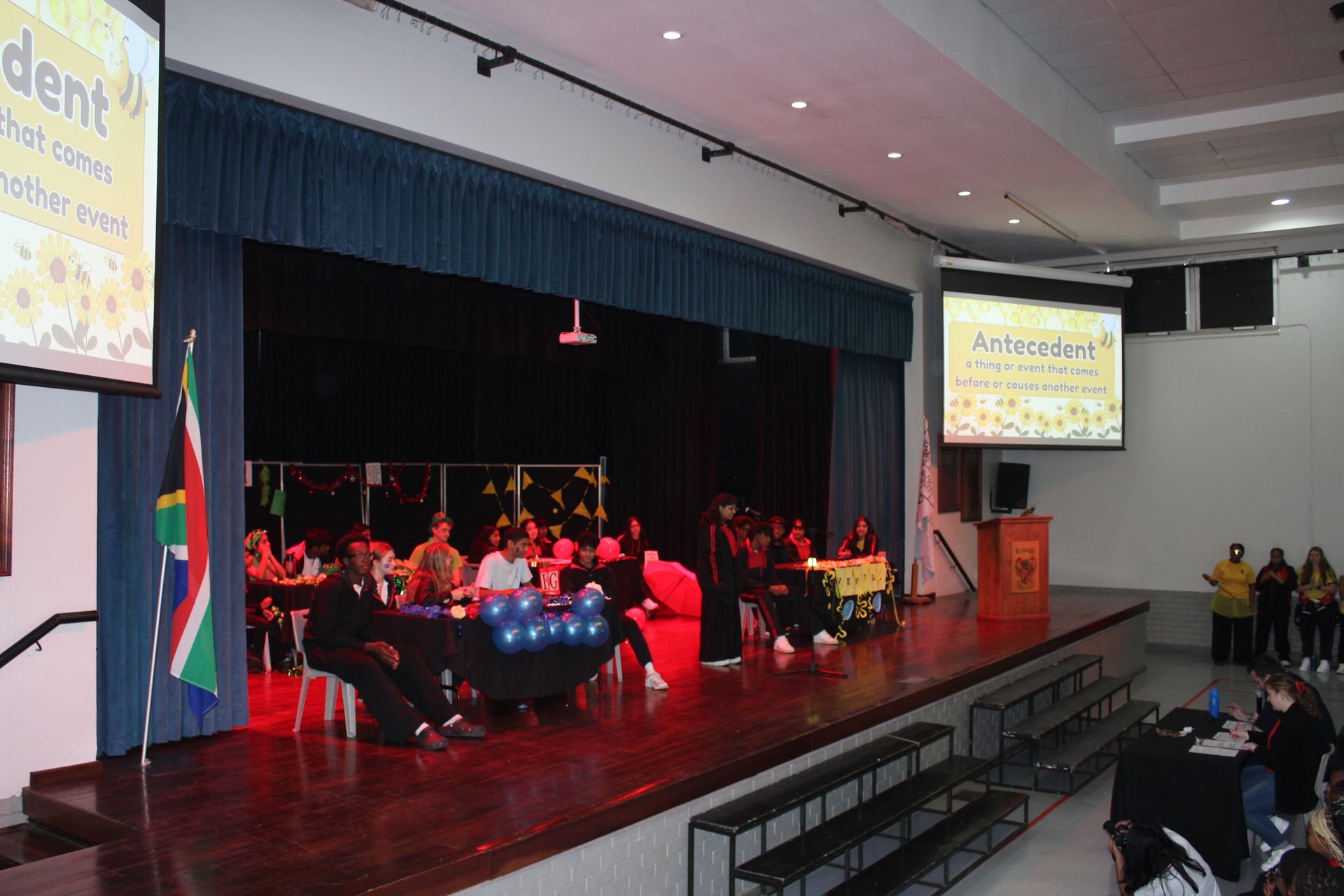
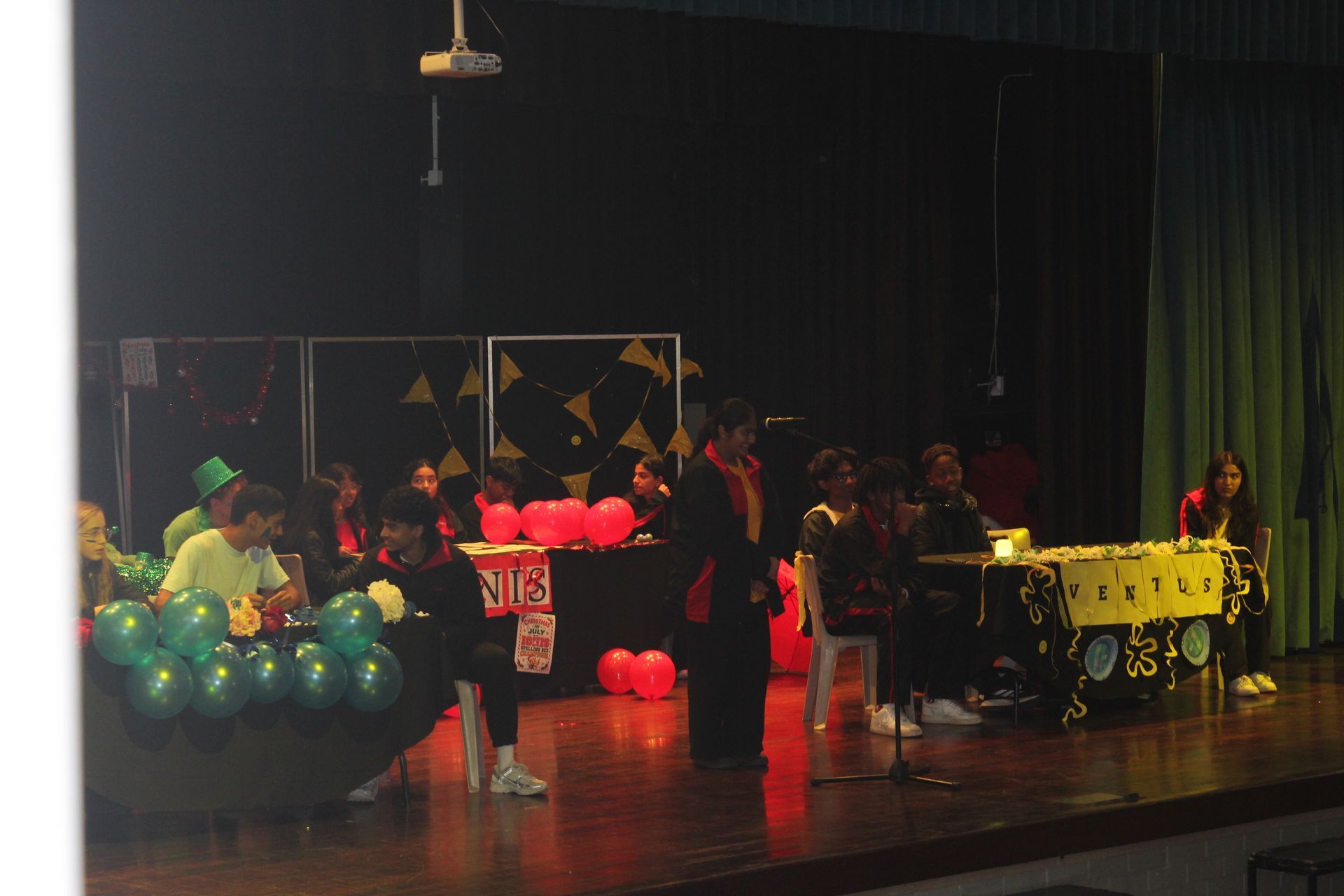
The Annual Interhouse Spelling Bee, which took place on the 15th of May 2026, was a fantastic event filled with house spirit, laughter, and some seriously impressive spelling skills! Students from Aqua, Ignis, Terra, and Ventus battled it out word by word as they tackled everything from familiar favourites to some very T-R-I-C-K-Y vocabulary.  


After a closely contested competition, congratulations go to Terra, who claimed victory with an outstanding 28 points! Hot on their heels was Ventus with 26 points, making it one of the closest finishes we’ve seen. Aqua finished strongly with 20 points, while Ignis earned 12 points and showed wonderful enthusiasm throughout the affair.  


The lightning rounds brought extra excitement, with brave participants risking points for the chance to earn bonus points for their houses. The audience also played their part, cheering loudly (and trying hard to help without making it too obvious!).  


Overall, the Spelling Bee was a wonderful celebration of vocabulary, confidence, teamwork, and school spirit. Well done to all the participants who stepped up to the microphone and gave it their best effort.


We are already looking forward to next year’s competition – and perhaps learning a few more “interesting” words along the way. 

October 16, 2026
Why Does Creativity Matter in Education? When parents think about education, academic results are often one of the first things that come to mind. But education is also about helping children develop the skills and confidence they need to approach the world around them. Creativity plays an important part in this. It is not limited to drawing, music, drama or other artistic subjects. Creativity is also about asking questions, exploring ideas, finding different ways to solve problems and being willing to think beyond the obvious. So, why does creativity matter in education, and what does it look like in a school environment? Creativity is about more than art Creative thinking can happen in almost any subject. A student might find a new way to approach a maths problem, develop a different explanation in a science project, write a story from an unusual perspective or come up with an original solution to a challenge. This is why creativity should not be seen as something that only belongs in the arts. It can be part of everyday learning and give students opportunities to approach subjects with curiosity and imagination. When looking at a school, ask how students are encouraged to explore ideas and whether there is room for different ways of thinking. It helps students become confident thinkers Creativity gives students opportunities to make choices and develop their own ideas. When there is more than one possible answer or approach, students have to think about why they have chosen a particular path. They learn to explain their ideas, listen to different perspectives and make changes when something does not work. Over time, these experiences can help students become more comfortable sharing their thinking and taking part in discussions, both inside and outside the classroom. It encourages problem-solving Not every problem has an obvious solution. Students will encounter situations where they need to experiment, rethink an approach or try something completely different. Creative learning can give them opportunities to practise these skills in a safe environment. Instead of simply looking for the one correct answer, they can explore possibilities and learn from the process. These habits of thinking can be useful across subjects and in everyday life. It makes learning more engaging Children are naturally curious. Giving them opportunities to investigate, create and make connections can help keep that curiosity alive. Creative activities can also give students different ways to demonstrate what they understand. A project, presentation, model, performance or written piece may allow a student to communicate an idea in a way that suits their strengths.Ask how the school balances structured learning with opportunities for students to explore and create. There is value in getting things wrong Creativity rarely happens perfectly the first time. An idea may need to be changed, a design may not work or a solution may need to be reconsidered. This gives students an opportunity to learn that mistakes can be part of the process. They can review what happened, make adjustments and try again. Learning to respond positively when something does not work can help children develop resilience and become more willing to take thoughtful risks with their ideas. Creativity gives students a chance to discover their strengths Not every student will express creativity in the same way. Some may enjoy performing, while others prefer designing, writing, building, experimenting or solving problems. Giving students access to different experiences can help them discover interests and strengths they may not have known they had. This is one reason opportunities beyond traditional classroom activities can be valuable. Sport, music, drama, art, technology, clubs and projects can all give students different ways to participate and contribute. Ask how creativity is part of school life If you are choosing a school, it is worth looking beyond the list of subjects and asking how creativity appears in the everyday learning experience. You might ask: How are students encouraged to develop their own ideas? Do students have opportunities to work on projects or practical activities? How are creative subjects and activities incorporated into school life? Are students encouraged to explore different approaches to a problem? What opportunities are there for students to take part in creative activities outside the classroom? The answers can help you understand how the school supports students to think, explore and create. Give your child space to create Creativity does not stop when the school day ends. Parents can encourage it at home by giving children opportunities to explore their interests without always needing a particular outcome. Reading, drawing, building, cooking, making music, photography, writing or simply asking questions can all provide opportunities for children to experiment and develop their ideas. The goal is not to produce something perfect. It is to give children the space to wonder, try, change their minds and discover what they enjoy. See how creativity comes to life at school Ultimately, creativity is part of helping students become confident, curious and independent thinkers. It can support learning across subjects while giving children opportunities to discover their interests and develop their own ideas. A school's website can tell you what subjects and activities it offers, but a visit can help you see how students are encouraged to think and participate. Look at the work on display, ask about projects and find out how students are given opportunities to create. At Crawford International, families can visit their chosen campus and experience the school environment for themselves, including the opportunities available for students to explore their interests and develop their strengths. Because education is not only about knowing the right answer. It is also about having the confidence and curiosity to ask questions, explore possibilities and think about what could be next. Book a personalised tour and discover the Crawford International experience for yourself.
October 2, 2026
What Does Your Child Need to Thrive at School? Choosing a school is about more than looking at academic results, facilities, or extracurricular activities. Parents also want to know whether their child will feel supported, understood and encouraged to grow. Every child is different, so there is no single formula for helping them thrive at school. However, there are some important things that can make a real difference to a child's experience, from strong teaching and individual support to opportunities to build confidence and independence. So, what should parents look for when choosing a school? A strong academic foundation Learning is at the heart of school and children need the right support to develop strong academic foundations. This includes teachers who can explain concepts clearly, recognise when a student is finding something difficult, and provide opportunities for students to extend themselves. It is also worth looking beyond grades. Ask how the school encourages students to become curious, ask questions and take an active interest in their learning. A positive approach to learning can help children develop skills that stay with them long after a particular test or subject has been completed. A school environment where your child feels supported Children spend a significant part of their day at school, so the environment around them matters. A supportive school should give students a sense of belonging and create an environment where they feel comfortable asking for help, making mistakes and trying again. Relationships with teachers and other students can have an important part to play in this. When visiting a school, notice how people interact. Do students seem comfortable and engaged? Do teachers take the time to listen? These everyday interactions can tell you a great deal about the school experience your child may have. Teachers who see the individual Your child is more than their academic results. They have their own interests, strengths, challenges and ways of learning. Teachers who understand this can help students feel seen and supported as individuals. This might mean providing additional support when a student is struggling, offering greater challenge when they are ready for it, or finding different ways to help them engage with a subject. When considering a school, ask how teachers get to know their students and how the school responds when a child needs additional support. Opportunities beyond the classroom School is not only about what happens during a lesson. Sport, music, creative activities, leadership and cultural opportunities can give children different ways to discover what they enjoy and where their strengths lie. These experiences can also help students develop confidence, teamwork and responsibility. For some children, an activity outside the classroom may be where they find their confidence or discover an interest that becomes an important part of who they are. Ask what opportunities are available and how students are encouraged to get involved. Space to become more independent As children grow, they need opportunities to take increasing responsibility for themselves and their learning. This could include setting goals, managing tasks, making choices and learning how to respond when something does not go according to plan. A school that gradually gives students more independence can help them develop confidence in their own abilities. Parents can ask how students are encouraged to take responsibility and how this changes as they move through the school. A partnership between school and home Children benefit when the adults supporting them are working together. Clear communication between parents and the school can help families understand how their child is progressing and where additional support may be useful. When choosing a school, it is worth asking how the school communicates with parents, how progress is shared and who parents can speak to if they have a concern or question. A strong relationship between home and school can help create consistency for a child and make it easier to support them as their needs change. Think about what your child needs to thrive There is no one-size-fits-all answer to what children need from school. One child may need more academic challenge, while another may benefit from additional support or more opportunities to build confidence. Some children thrive through sport or creative activities, while others are happiest when they can explore ideas and work independently. The important thing is to consider your child as an individual. Think about their personality, interests, strengths and areas where they may need support, and then look for a school environment that can help them develop across all of these areas. See the school experience for yourself Ultimately, choosing a school is about finding an environment where your child can learn, grow and feel that they belong. A school's website and prospectus can tell you what it offers, but visiting the school can help you understand what the experience actually feels like. Meet the teachers, see the classrooms, observe the students and ask the questions that matter to your family. At Crawford International, families have the opportunity to experience the school environment for themselves and discover how students are supported throughout their school journey.  Choosing a school is not only about what happens in the classroom. It is about finding a place where your child can be supported, challenged and encouraged to become the best version of themselves. Book a personalised tour at your chosen Crawford International campus and discover the experience for yourself.
September 25, 2026
Does Success at School Have to Mean Straight A's? For many parents, academic results are one of the clearest ways to measure how a child is doing at school. Good marks can be a source of pride and can open doors to future opportunities. But does success at school have to mean achieving straight A's? Academic achievement is important, but a child’s school experience is about more than a report card. Success can look different for every student and recognising that difference can help children develop a healthier, more confident approach to learning. Marks matter, but they are not the whole picture Strong academic performance can reflect hard work, understanding and commitment. Schools have a responsibility to provide students with the knowledge and skills they need to achieve their academic goals and prepare for their next steps. At the same time, marks do not always capture everything a child is learning or how much they are growing. A student who becomes more confident speaking in class, learns how to manage a difficult subject or perseveres after making a mistake is experiencing meaningful progress, even if that progress is not immediately reflected in a higher mark. What does success look like beyond As? A broader view of school success can include a range of personal and academic milestones, such as: Becoming more confident in asking questions and sharing ideas. Developing resilience when faced with challenges or setbacks. Learning to work effectively with others. Discovering an interest or talent in a new area. Taking greater responsibility for learning and personal goals. Developing leadership, communication and problem-solving skills. Every child has a different path Children do not all learn in the same way or at the same pace. One student may excel academically from an early age, while another may need more time and encouragement before a subject clicks. Some may find their confidence through sport, music, art or leadership, while others discover it through academic challenges. This does not mean lowering expectations. Instead, it means understanding that high expectations and individual support can work together. Children should be encouraged to aim high while also being given the guidance they need to recognise their own progress. The importance of confidence and resilience School inevitably comes with challenges. Students will encounter subjects they find difficult, assignments that do not go to plan and moments when they may not achieve the result they hoped for. Learning how to respond to these experiences is an important part of growing. A child who understands that a setback is not a definition of their ability is more likely to try again, ask for help and keep going. Over time, these experiences can build resilience and a willingness to embrace challenges rather than avoid them. Making room for different kinds of achievement A well-rounded school experience gives students opportunities to succeed in different ways. Sport can develop teamwork and discipline. Cultural and creative activities can encourage self-expression. Leadership opportunities can build confidence and responsibility. Academic challenges can strengthen knowledge, critical thinking and problem-solving. These experiences do not compete with academic achievement. They can complement it, helping students develop the wider skills and qualities they need to navigate future study, work and life. How parents can think about success Parents can play an important role by looking beyond individual marks and asking broader questions. What is your child enjoying? What are they finding challenging? Where have they grown in confidence? What new skills or interests have they discovered? Celebrating effort, improvement and perseverance alongside academic achievement can help children understand that success is not about being perfect. It is about learning, growing and continuing to move forward. A broader definition of success Straight A's can be an achievement worth celebrating, but they are not the only measure of a successful school experience. True success can also be seen in a student who becomes more confident, learns to persevere, discovers a passion, or begins to believe in what they are capable of. At Crawford International, academic excellence is supported by opportunities for students to develop their interests, confidence and wider skills. This balanced approach recognises that every student has different strengths and that success is about helping each child make meaningful progress while preparing them for what comes next. As a school, the goal of education is not simply to collect the highest marks. It is to help young people develop their knowledge, character and confidence to make the most of their potential. Discover our holistic approach to education by booking a personalised tour.
September 18, 2026
What Can You Really Learn From a School Tour? Choosing a school is about more than comparing websites, prospectuses and academic results. While these can provide useful information, there is something different about seeing a school in person. A school tour gives parents the opportunity to experience the environment where their child could spend some of their most formative years. But what should you actually look for on a school tour? Beyond the buildings and facilities, a visit can tell you a great deal about the school’s culture, its approach to learning and whether it feels like the right fit for your child. Look beyond the facilities Modern classrooms, sports fields, libraries and technology can all contribute to a positive school experience, but facilities are only part of the picture. During a school tour, pay attention to how spaces are used and how students interact within them. Are classrooms welcoming and purposeful? Do students appear engaged? Are there spaces that encourage collaboration, creativity and independent work? These details can give you a better understanding of how the school environment supports everyday learning. Notice how teachers and students interact One of the most valuable things to observe on a school tour is the relationship between teachers and students. A school can tell you about its values, but seeing those values in action can be much more revealing. Notice whether students appear comfortable asking questions and speaking with their teachers. Consider how teachers communicate with students and whether interactions feel respectful, encouraging and supportive. These everyday moments can provide insight into the kind of experience your child may have in the classroom. Get a feel for the school culture School culture can be difficult to understand from a website alone. Listen to what you hear in corridors and classrooms, notice how students move around campus, and consider whether you can picture your child feeling welcome, known and confident there. These impressions may not appear in a prospectus, but they can be some of the most useful things you take away from a visit. Ask ab es out Values You can also ask about the values the school prioritises. How does it support student wellbeing? How are relationships and respect encouraged? What opportunities do students have to contribute to the school community? The answers can help you understand what life at the school is really like. Ask how students are encouraged to grow A strong education should provide more than academic knowledge. During your tour, ask how the school helps students discover their interests, build confidence and develop skills beyond the classroom. Find out about opportunities in sport, culture, leadership, creative activities, clubs and other enrichment programmes. These experiences can help students explore their strengths and develop qualities such as teamwork, resilience, communication and independence. Ask the questions that matter to your child Every child has different needs, interests and ambitions, so there is no universal checklist for a school tour. Think about what matters most to your child before you visit and use the opportunity to ask specific questions. What does a typical day look like for a student in my child's age group? What support is available if my child needs extra help or wants to be stretched further? What opportunities do students have to take part in sport, culture, leadership or creative activities? How does the school communicate with parents? How are students encouraged to take responsibility for their learning? Trust what you see and how you feel A school tour is also an opportunity to consider whether you can picture your child being happy and confident in that environment. Does the school feel welcoming? Do the students seem engaged? Do the teachers appear approachable? Can you imagine your child feeling known, supported and encouraged to grow? These impressions may not appear in a prospectus, but they can be some of the most useful things you take away from a visit. See the school experience for yourself Ultimately, a school tour can turn a list of facts into a real sense of what a school offers. It allows parents to look beyond academic results and facilities and see the people, relationships and environment that shape a student’s everyday experience. This is why visiting a school matters. At Crawford International, families have the opportunity to see the school environment, meet teachers and experience the community for themselves. Choosing a school is not only about what it offers, but whether it is a place where your child can learn, grow and thrive. At Crawford International, personalised tours are arranged directly with your chosen campus, giving you and your family the chance to meet our teachers and students on a day that suits you Book a personalised tour and discover the Crawford International experience for yourself.
Crawford International graphic asking in red and black text, “Does your child have a voice in their education?”
September 11, 2026
Student voice builds confidence and independence. See what having a say looks like from Grade 1 to Grade 11, and how parents and schools support it.
September 4, 2026
A school tour shows you the buildings. Picture your child inside them. What to look for beyond the facilities when you are choosing a school.
August 21, 2026
Most parents ask about fees and academics. These are the seven questions that tell you far more about whether a school is right for your child.
August 14, 2026
A school Open Day shows you what a website cannot. Here is what happens on the day, what to look for, and why visiting in person matters so much.
Crawford International ad: “Helping Your Child Develop Leadership Skills at Every Age” in red and black text
August 7, 2026
Leadership starts long before the boardroom. See how children build confidence, empathy and decision making from pre-primary through to matric.
July 29, 2026
Helping Your Child Transition Back to School After the Holidays The end of the school holidays often brings a mix of emotions for both children and parents. While many students look forward to seeing their friends and teachers again, others may feel nervous about returning to routines, new classrooms or the challenges of a new term. A smooth transition back to school doesn't happen overnight. With a little preparation and a positive approach, families can help children return feeling confident, organised and ready to learn. The key is to focus on creating healthy routines, encouraging open conversations and making the first few days back feel exciting rather than overwhelming. Re-establish a School Routine Before the First Day One of the easiest ways to prepare your child for the new school term is to begin reintroducing their school routine a few days before classes resume. Gradually adjust bedtimes and morning wake-up times to match the school schedule. This gives children time to reset their body clocks, making those early mornings much easier when the term begins. You can also use this time to prepare school uniforms, organise stationery and pack school bags together. These small tasks help children feel organised and reduce first-day stress. Talk Positively About Returning to School Children often take emotional cues from the adults around them. Speaking positively about the new school term can help build excitement and confidence. Ask your child what they are looking forward to. It could be seeing friends, participating in sport, joining a cultural activity or learning something new. If they have concerns, listen without dismissing their feelings and reassure them that it's normal to feel a little uncertain after a long break. Simple conversations can go a long way in helping children feel emotionally prepared for the transition back to school. Encourage Healthy Habits Returning to school is a great opportunity to re-establish healthy daily habits that support learning and wellbeing. Encourage regular meals, enough sleep, daily movement and balanced screen time. These habits not only support physical health but also improve concentration, energy levels and overall readiness for the classroom. Children thrive when they have a consistent routine that balances learning, rest and play. Help Your Child Set Small Goals A new school term offers a fresh start. Encourage your child to think about one or two realistic goals they would like to achieve. These goals don't have to be purely academic. They could include improving time management, participating more in class, joining a new activity, reading more often or simply becoming more organised. Focusing on small, achievable goals helps children build confidence and creates a sense of purpose for the weeks ahead. Stay Connected with Your Child's School A successful school experience is built on a strong partnership between home and school. Taking an active interest in your child's learning helps them feel supported and reinforces the importance of education. Regular communication with teachers, attending school events and checking in with your child about their day all contribute to a positive learning experience. Even simple questions such as "What was the best part of your day?" can encourage meaningful conversations about school. Be Patient During the Adjustment Period Not every child settles back into routine immediately. Some may be tired during the first week, while others may need extra reassurance as they adjust to classroom expectations again. Be patient and celebrate the small wins. Whether it's waking up on time, completing homework independently or returning home with a positive story about their day, these moments all contribute to a successful transition. Remember that confidence grows through encouragement, consistency and support. Key Takeaways Begin preparing for the new school term a few days before school starts. Re-establish healthy sleep, morning and after-school routines. Talk positively about returning to school and encourage open conversations. Support your child's wellbeing through healthy habits and balanced routines. Help your child set small, achievable goals for the new term. Build a strong partnership with your child's school. Be patient as children adjust and celebrate their progress along the way.  Returning to school marks the beginning of another exciting chapter of learning and growth. By creating positive routines, encouraging confidence and supporting your child's wellbeing, parents can help make the transition back to school a positive experience for the whole family.
Show More