La Lucia September 2026

October 27, 2026

Spring Has Sprung at Crawford International La Lucia 


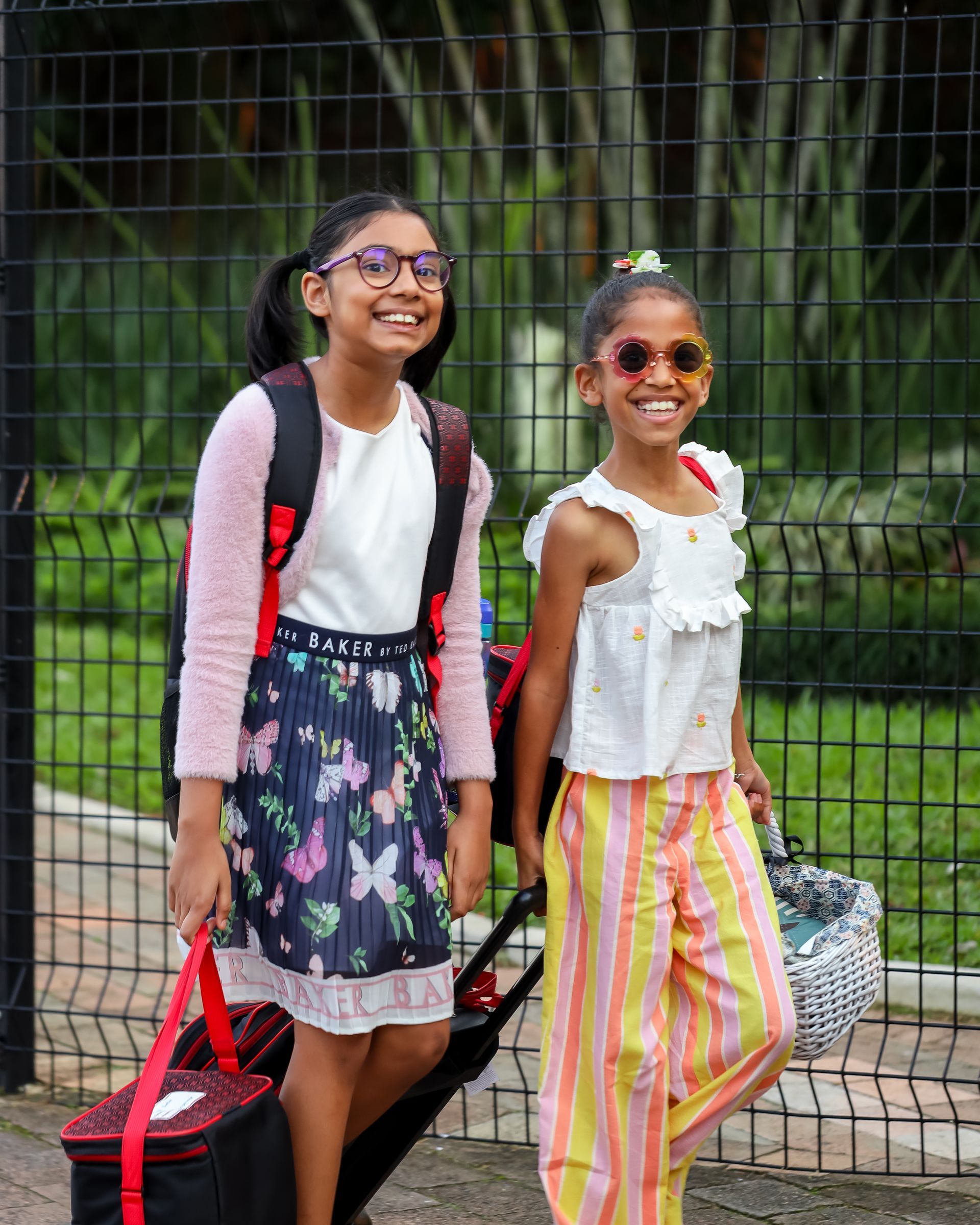
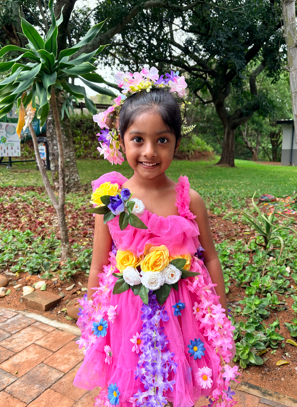
Spring was in full bloom at Crawford International La Lucia as our Pre-Primary, Preparatory and College students embraced the season with a colourful day of dress-up! 


From bright florals and cheerful colours to creative spring-inspired outfits, students across all three phases brought their own personality and style to the celebration. Our campus was filled with colour, smiles and plenty of springtime spirit as everyone welcomed the warmer days and the new season. 


It was a wonderful reminder that sometimes, all it takes is a little colour and creativity to brighten the day!
Clothes To Good Collection 


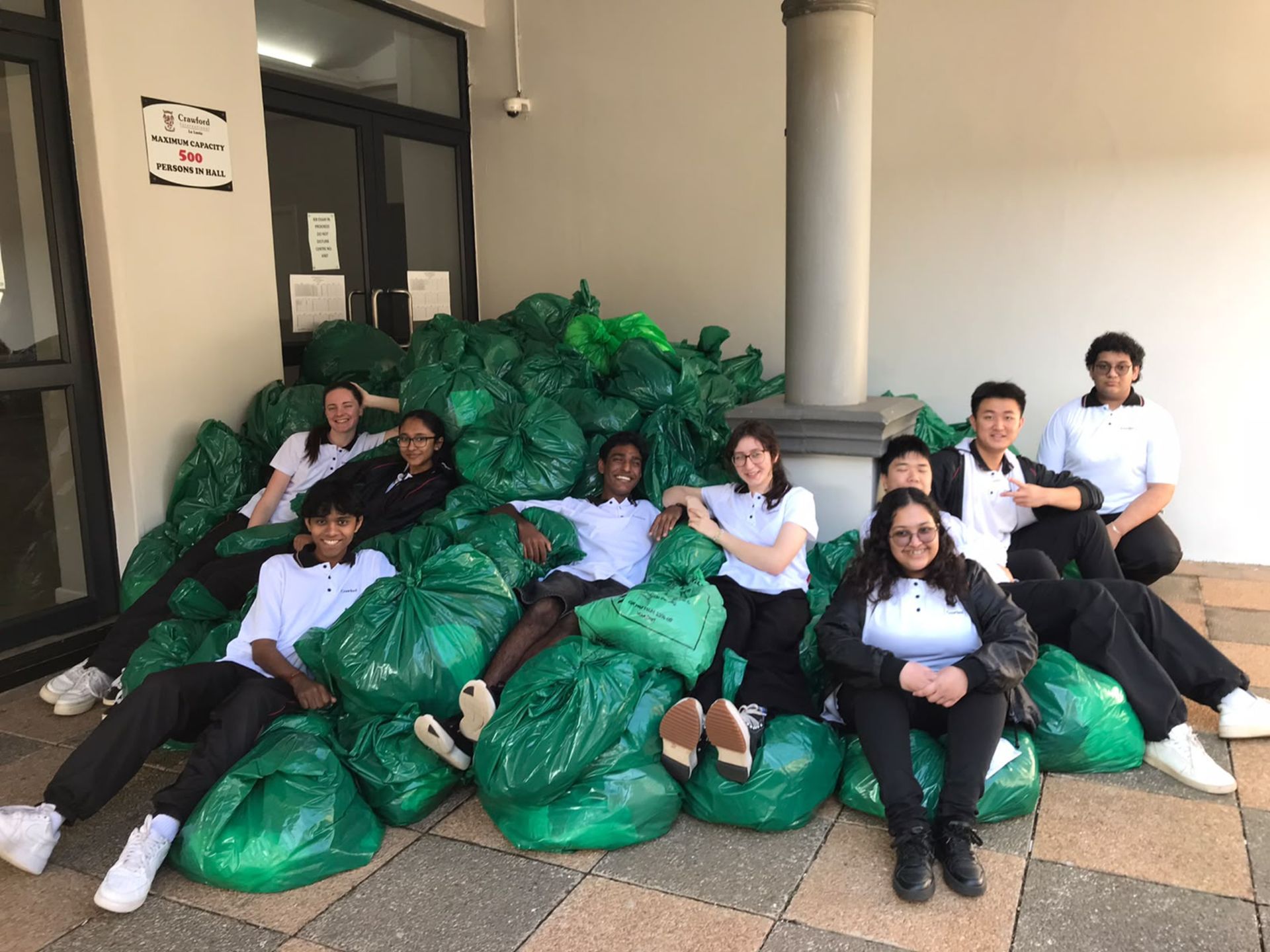
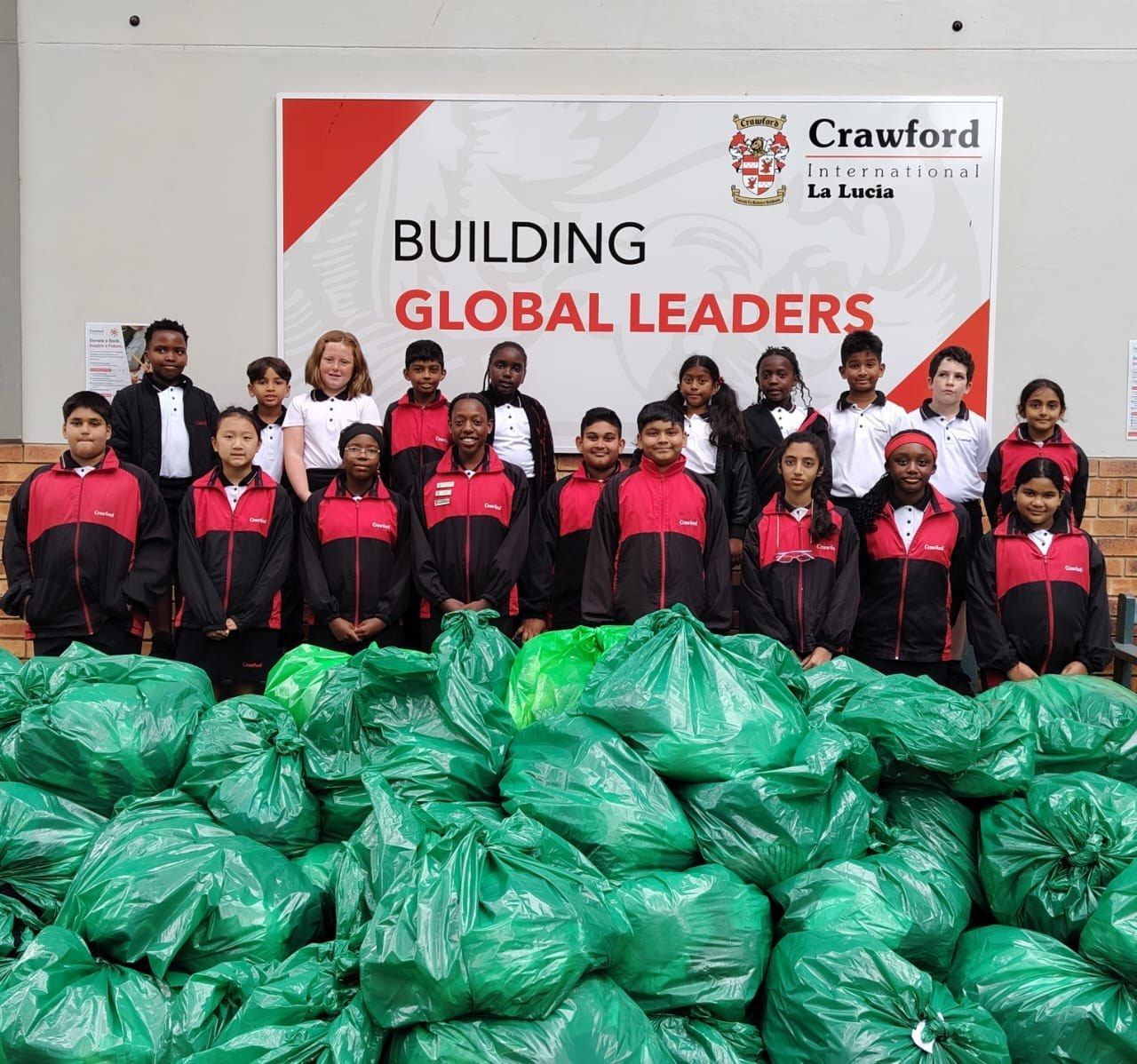
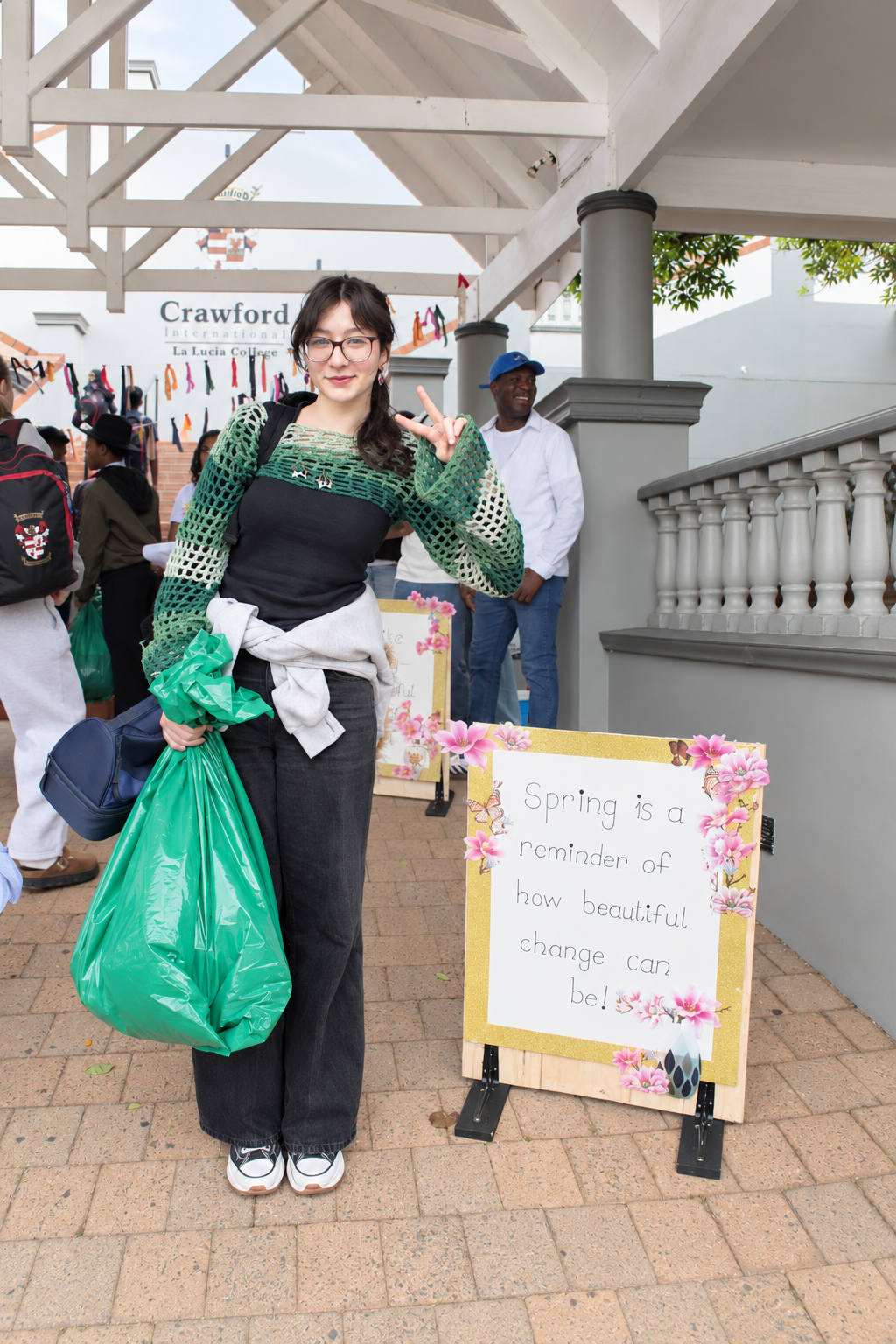
Our Crawford International La Lucia Preparatory and College communities have once again shown the incredible power of giving, coming together over the past few weeks to support the Clothes to Good initiative. Through our month-long collection and Spring Day spring-clean, our students, families and staff donated an incredible 428 green bags of pre-loved clothing, shoes and textiles. 


But these donations are about so much more than a wardrobe clear-out. Clothes to Good transforms unwanted clothing into meaningful social impact, supporting women and people with disabilities from marginalised communities through micro-business development, while recycled textiles are also used to create educational resources for children in under-resourced Early Childhood Development Centres. Every green bag represents an opportunity - helping to create sustainable livelihoods, support communities and give pre-loved items a new purpose.


A huge thank you to our Crawford International La Lucia students, parents, teachers and staff for your incredible generosity. Your willingness to give, share and take action is a wonderful reflection of the compassionate, socially responsible global citizens we strive to develop. 


428 bags. One community. A whole lot of impact 

Pre-Primary
Sports Days  


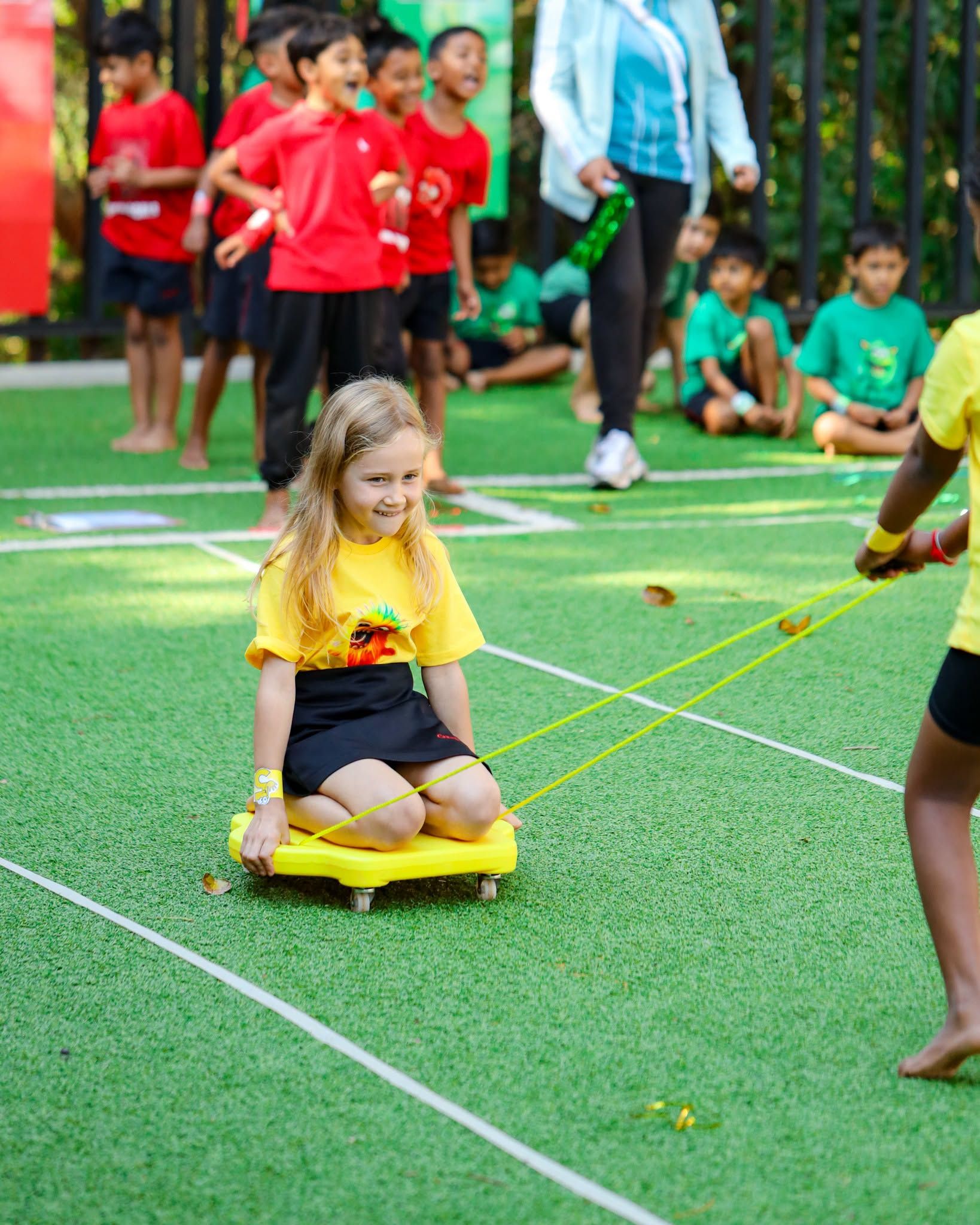
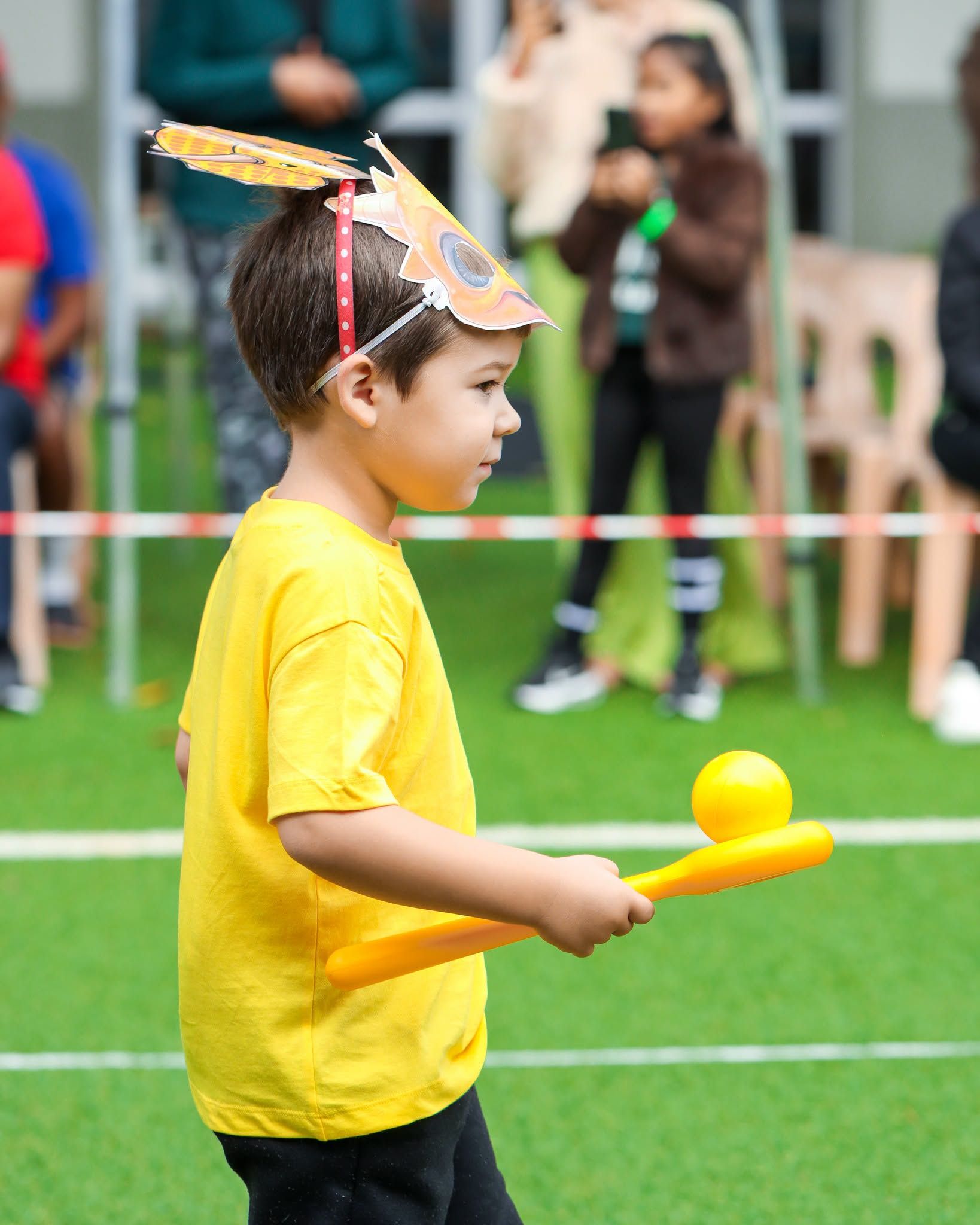
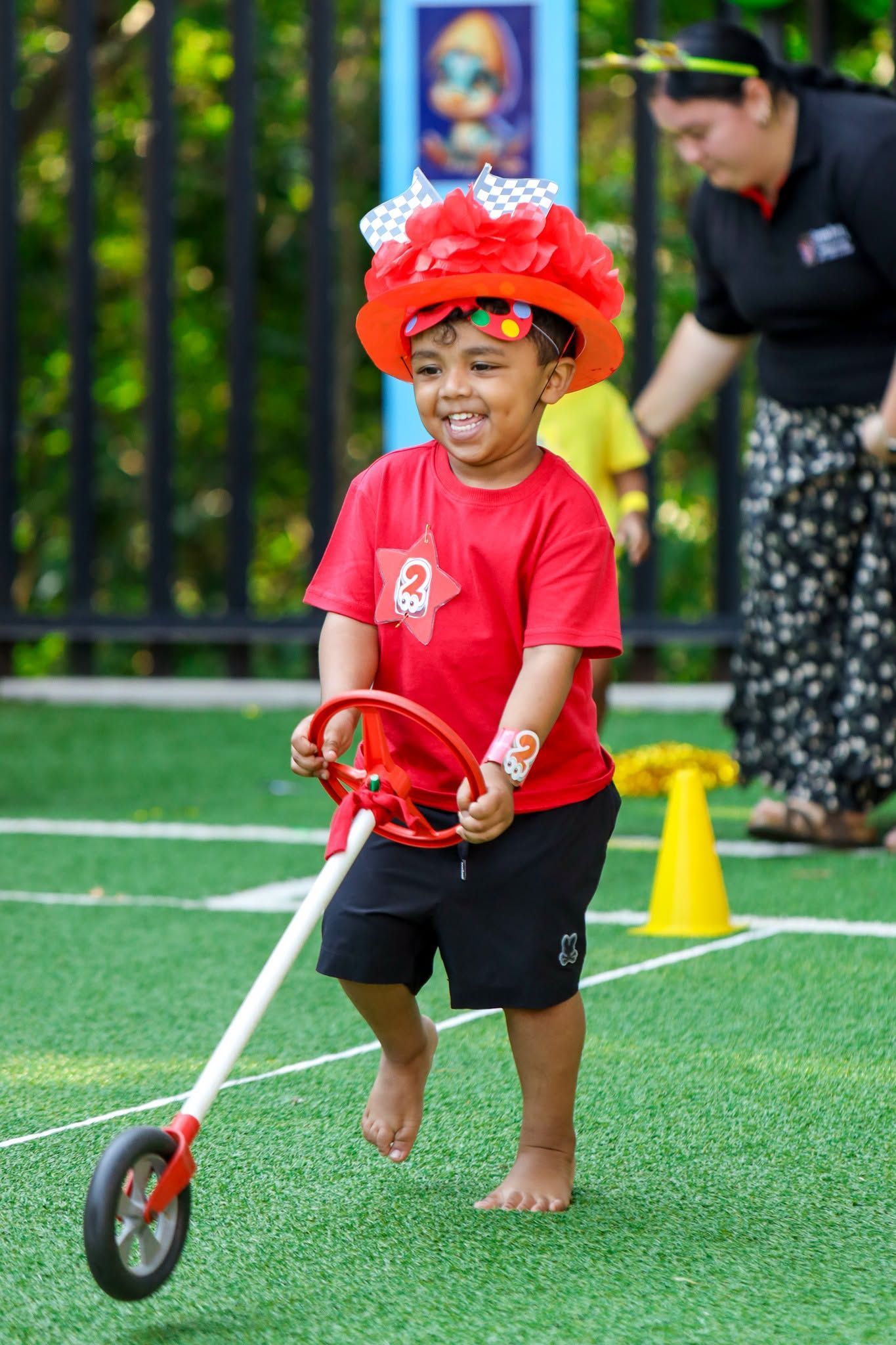
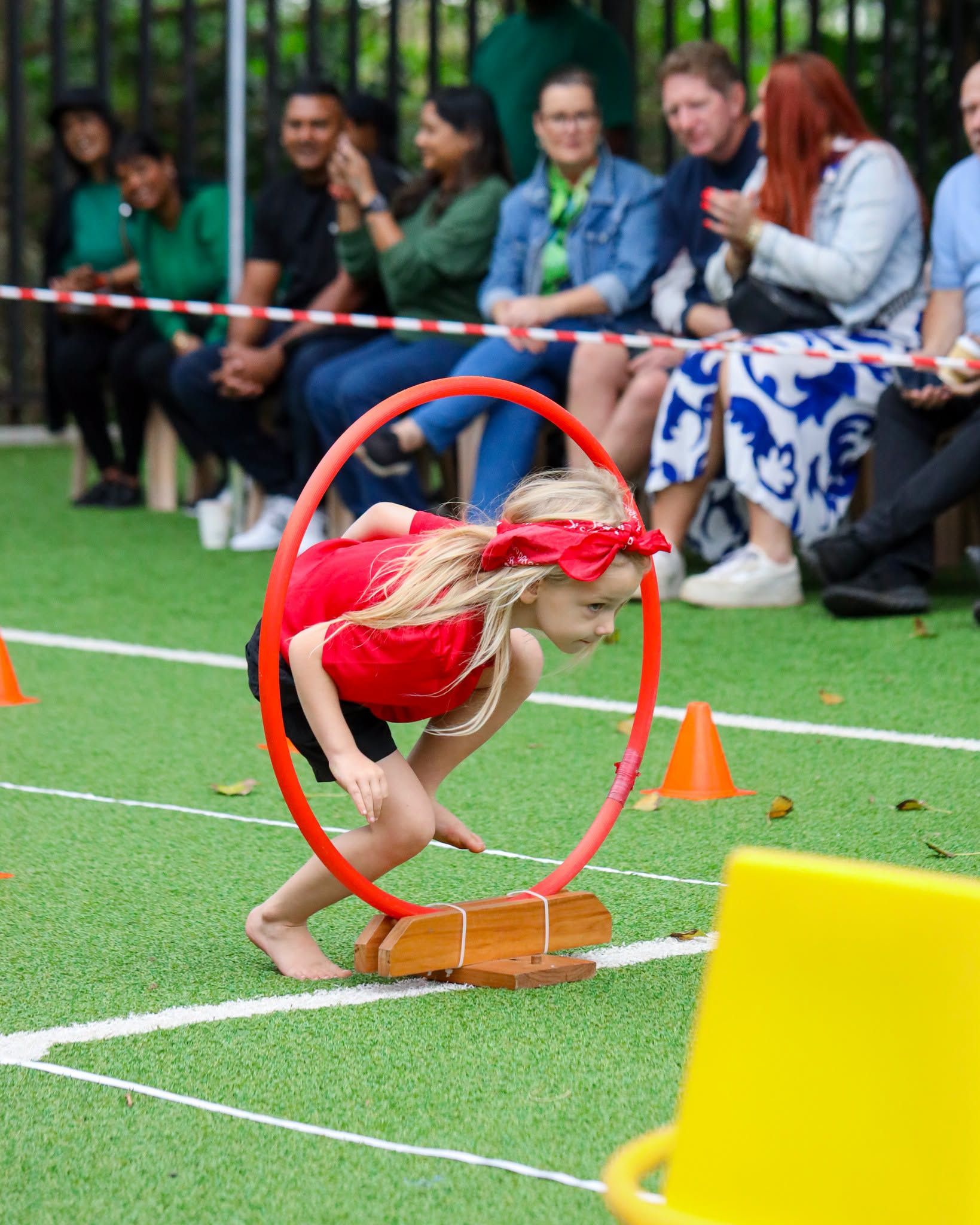
Our Crawford International La Lucia Pre-Primary students recently enjoyed a wonderful series of Sports Days, filled with movement, laughter, teamwork and plenty of imaginative fun! 


With each grade embracing its own exciting theme; our Grade 0000 Hatchling Dashers, Grade 000 Roaring Dinos, Grade 00 Flying Dragons and Grade 0 Monsters Inc. teams brought their characters to life through a range of fun-filled activities designed especially for our youngest students. 


Rather than focusing on traditional athletics, the Sports Days incorporated creative challenges with a twist, giving students the opportunity to develop their coordination, dexterity, balance and movement skills while enjoying themselves and building confidence. From navigating different challenges to cheering on their friends, there were plenty of smiles, giggles and enthusiastic participation throughout the mornings. 


The colourful teams added to the excitement, with students proudly representing their groups and developing an early sense of teamwork and sportsmanship. Most importantly, the focus was on participation, having fun and creating positive experiences around physical activity. 


And the fun wasn't limited to our students! Parents were invited to take part in their own races, which proved to be a wonderful highlight of the Sports Days. With plenty of laughter, enthusiastic participation and some friendly competition, our parents certainly embraced the opportunity to get involved alongside their children!


Our Pre-Primary Sports Days were a wonderful celebration of movement, play, imagination and community, giving our youngest students the opportunity to develop important physical and social skills while making happy memories with their friends, teachers and families. 


A huge well done to all our little athletes - and to our parents for joining in the fun!
Celebration of Growth 


Two people. One little tree. One incredible transformation. For Arbor Month, we’re taking a special trip down memory lane at Crawford International La Lucia Pre-Primary! When our Pre-Primary first opened almost three decades ago, our then-Receptionist (only recently retired) planted the very first tree on the grounds alongside her husband. Fast-forward 27 years, and we couldn’t resist recreating that special moment. 


What was once a little tree has grown into a beautiful reminder of just how much can change when we plant, nurture and care for something over time. Our Arbor Month celebration is also a wonderful opportunity to reflect on our commitment to creating a greener future, in partnership with WESSA. 


From one little tree to generations of growth - here’s to planting today for a greener tomorrow. 

Preparatory 

Grade 6 PYPX 


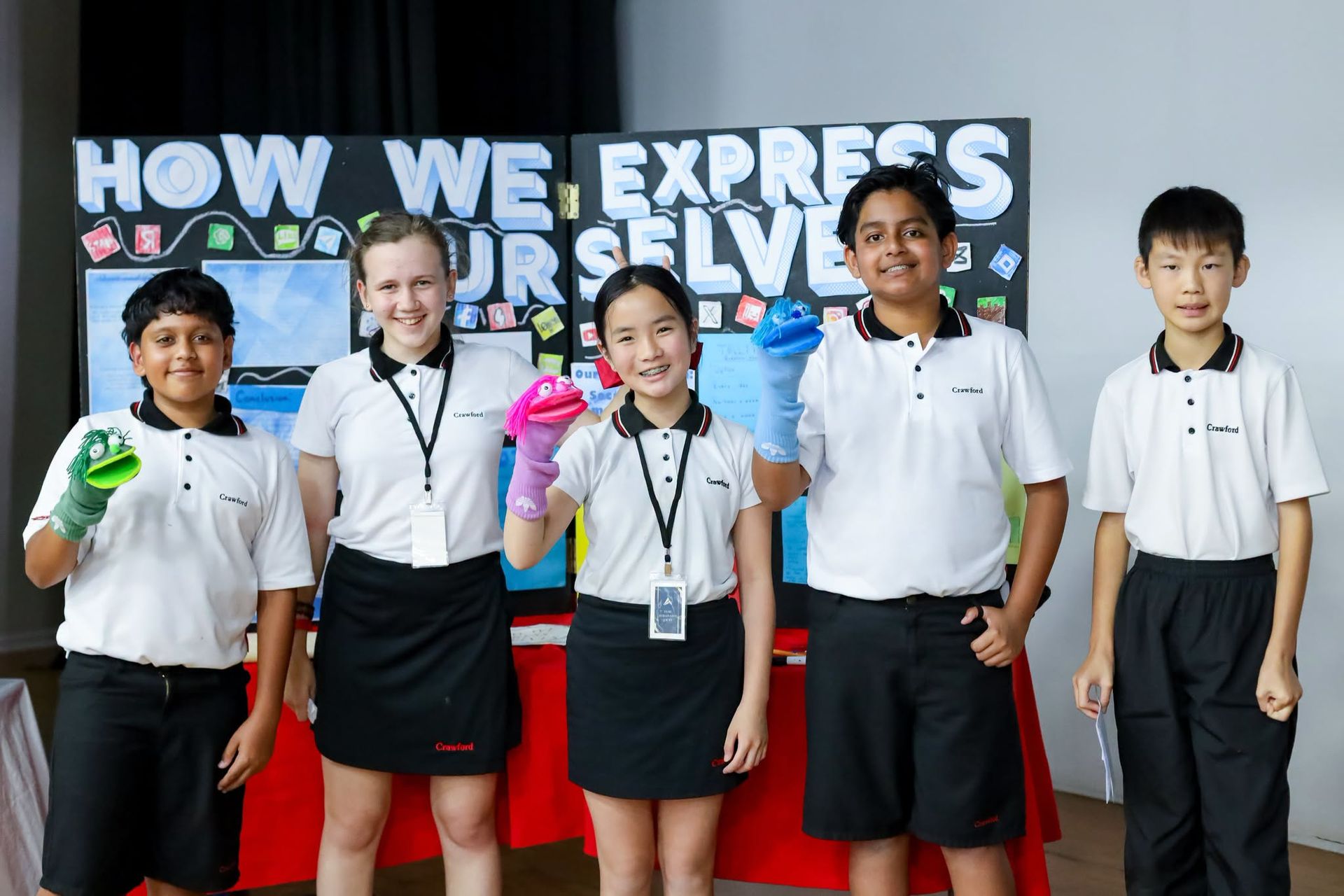
Our Crawford International La Lucia Preparatory Grade 6 students recently showcased their learning through their Primary Years Programme Exhibition (PYPX) - the culmination of their PYP journey. 


Through collaborative, transdisciplinary inquiry, our students explored real-world issues, investigated different perspectives, developed their own lines of inquiry and considered meaningful solutions and action. 


The exhibition was a wonderful opportunity for our students to demonstrate independence, creativity, critical thinking, collaboration and student agency, while reflecting on just how far they have come throughout their PYP journey. 


We are incredibly proud of the thought, dedication and depth of understanding our Grade 6 students demonstrated. What a wonderful way to celebrate their learning and mark the transition into the next chapter of their educational journey.

U13A Hockey Festival 


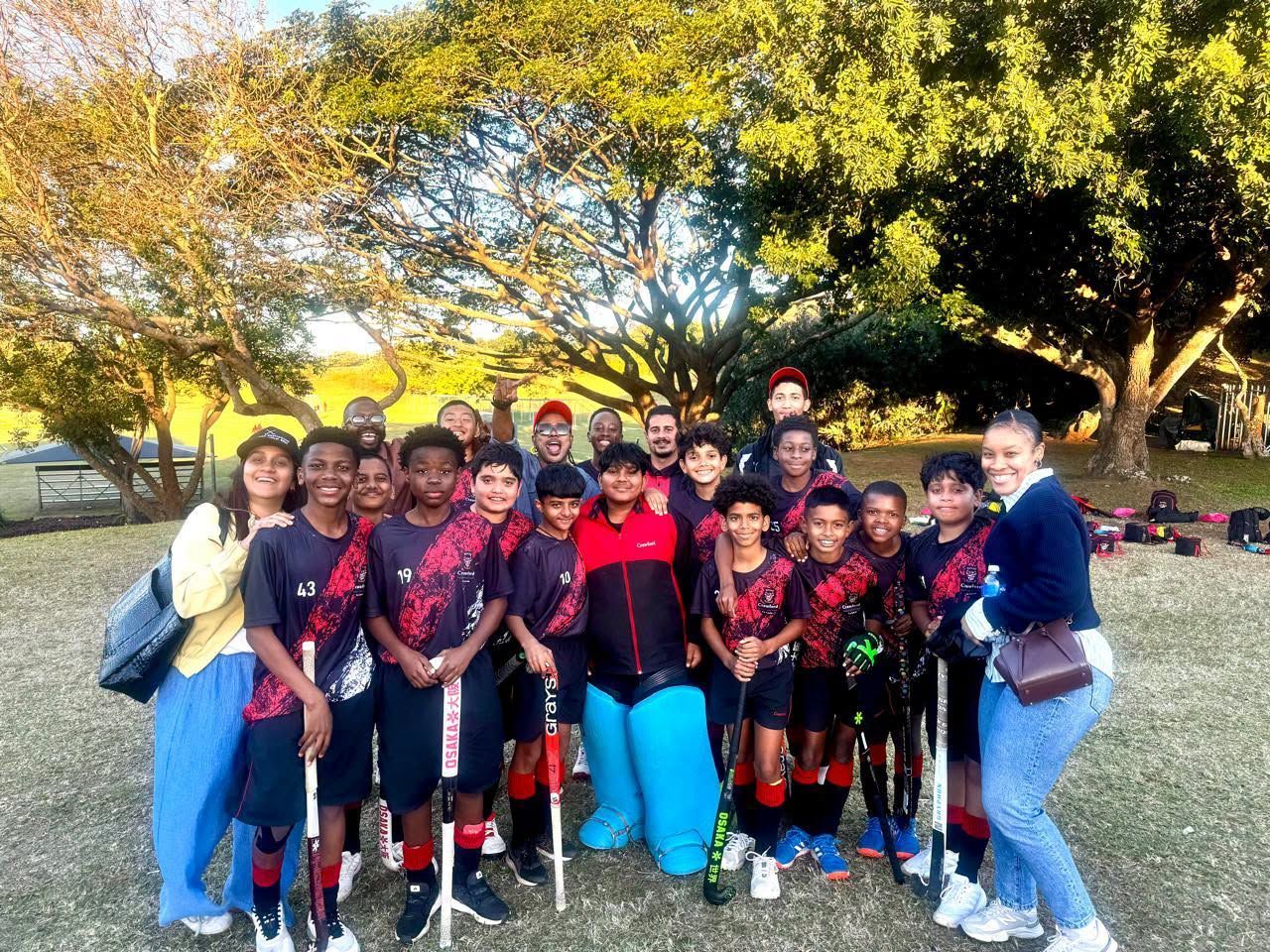
Crawford International coastal schools recently hosted an action-packed U13A Hockey Festival, bringing together talented young hockey players from across the region for two days of competition, camaraderie and plenty of hockey excitement! 


Our U13A Girls hosted their festival at Crawford International La Lucia, welcoming teams from Glenashley Preparatory, Atholton Primary, Reddam House Ballito, Reddam House Umhlanga, Springvale House, Chisipite School, Lilfordia School and Crawford International North Coast. 


The girls put in some fantastic performances, securing three 1–0 victories, a 2–0 win and a goalless draw, before finishing their festival with two closely fought losses. 


Meanwhile, our U13A Boys took to the turf at Crawford International North Coast, competing against Springvale House, Glenashley Preparatory, Crawford International North Coast, Reddam House Ballito and Lilfordia School. The boys remained unbeaten throughout the festival, recording two wins and three draws - a fantastic achievement. 


Beyond the results, both festivals were a wonderful celebration of sportsmanship, teamwork, determination and a shared love of hockey. We are incredibly proud of the way our students represented Crawford International La Lucia both on and off the field. 

Horizon Maths Competition Success 


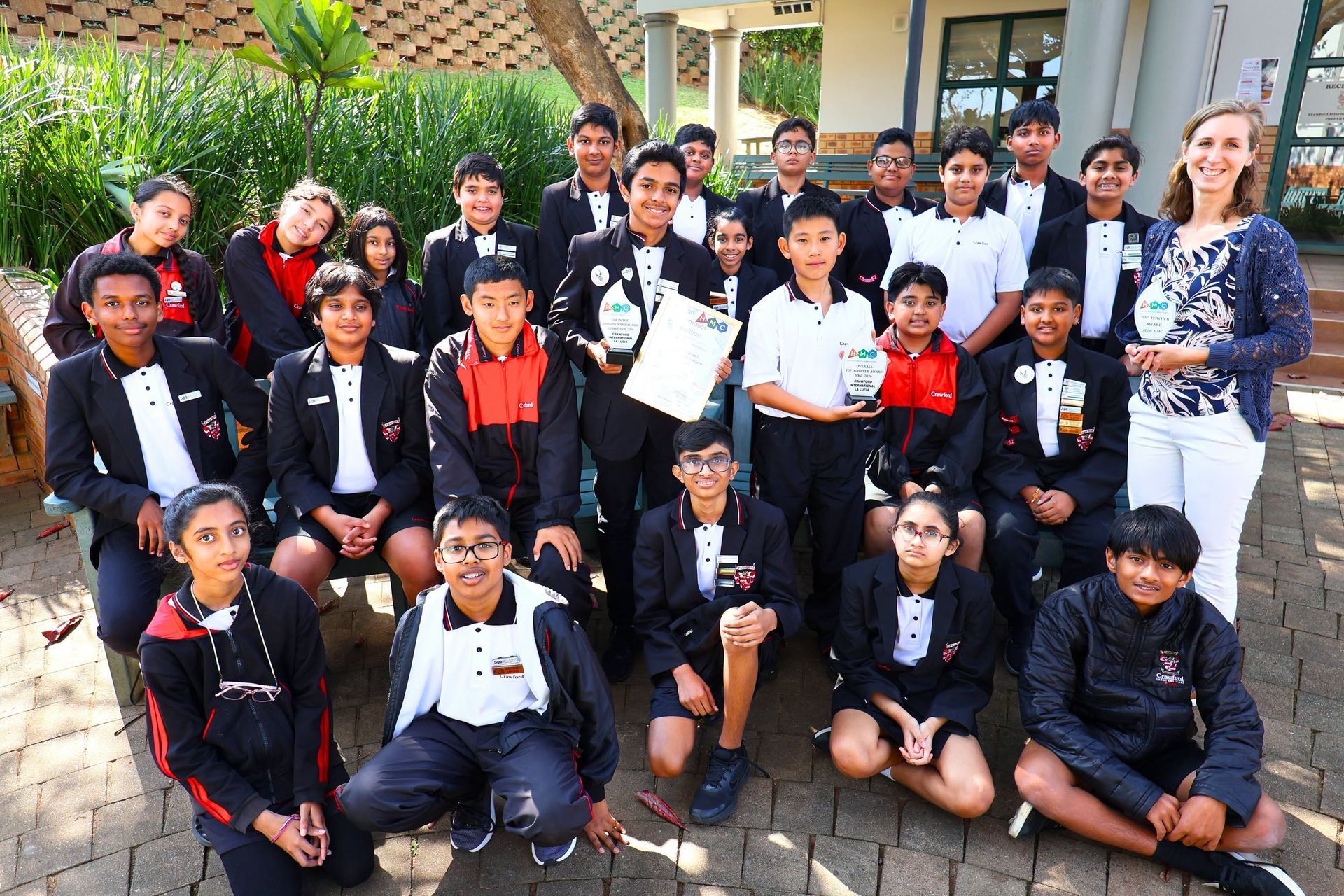
Crawford International La Lucia Preparatory is proud to celebrate outstanding success in the recent Horizon Mathematics Competition. In our first year of participating, our students made an incredible impact, with 28 students placing in the Top 150! 


The competition attracted more than 6 188 Grade 5, 6 and 7 students, with 1 834 advancing to the second round. We are delighted to announce that Crawford International La Lucia was awarded the Overall Top School Trophy, recognising the exceptional performance of our students! 


Adding to this achievement, Mrs Vanessa Majola received a shared Top Educator Award, earning a trophy in recognition of her dedication and contribution to Mathematics education.


We extend our sincere gratitude to all our Mathematics teachers at Crawford International La Lucia Preparatory, whose hard work, support, and commitment to excellence played a vital role in our students’ achievements. Their passion for teaching continues to inspire confidence and success in the classroom. 


We congratulate all our students who participated and proudly celebrate this remarkable accomplishment. Winning the Overall Top School Trophy in our first year of participation highlights the exceptional talent, dedication and commitment of our students and teachers. 


Congratulations to the following students on their exceptional achievements: 


Top 150: Mei Blanc Koyama, Yashik Rugbeer, Usman Anwar, Mia Madeleine Carew (not in main photo), Mishka Iyavoo, Zharv Gordhan, Ayan Thakur (not in main photo) 


Top 100: Diyaan Moodley, Kiran Iyavoo, Reya Moodley, Arnav Rattan, Shivank Govender, Tayush Harcharan, Madison-Lee Oliver (not in main photo), Emmet Naidoo, Ari Naidoo, Kinal Chetty 


Top 50: Shweta Gokul, Arlo Starkweather (not in main photo), Saihil Ramsoonder, Alayka Harinarain, Nathan Mengistu 

Top 20: Noah Naidoo, Adhvay Naidoo 


Top 10: Kazuki Obayashi (9th), Seth Pillay (8th), Joe (Ziyi) Wang (4th), Uzayr Kasoo (3rd) 

College  

House Plays 


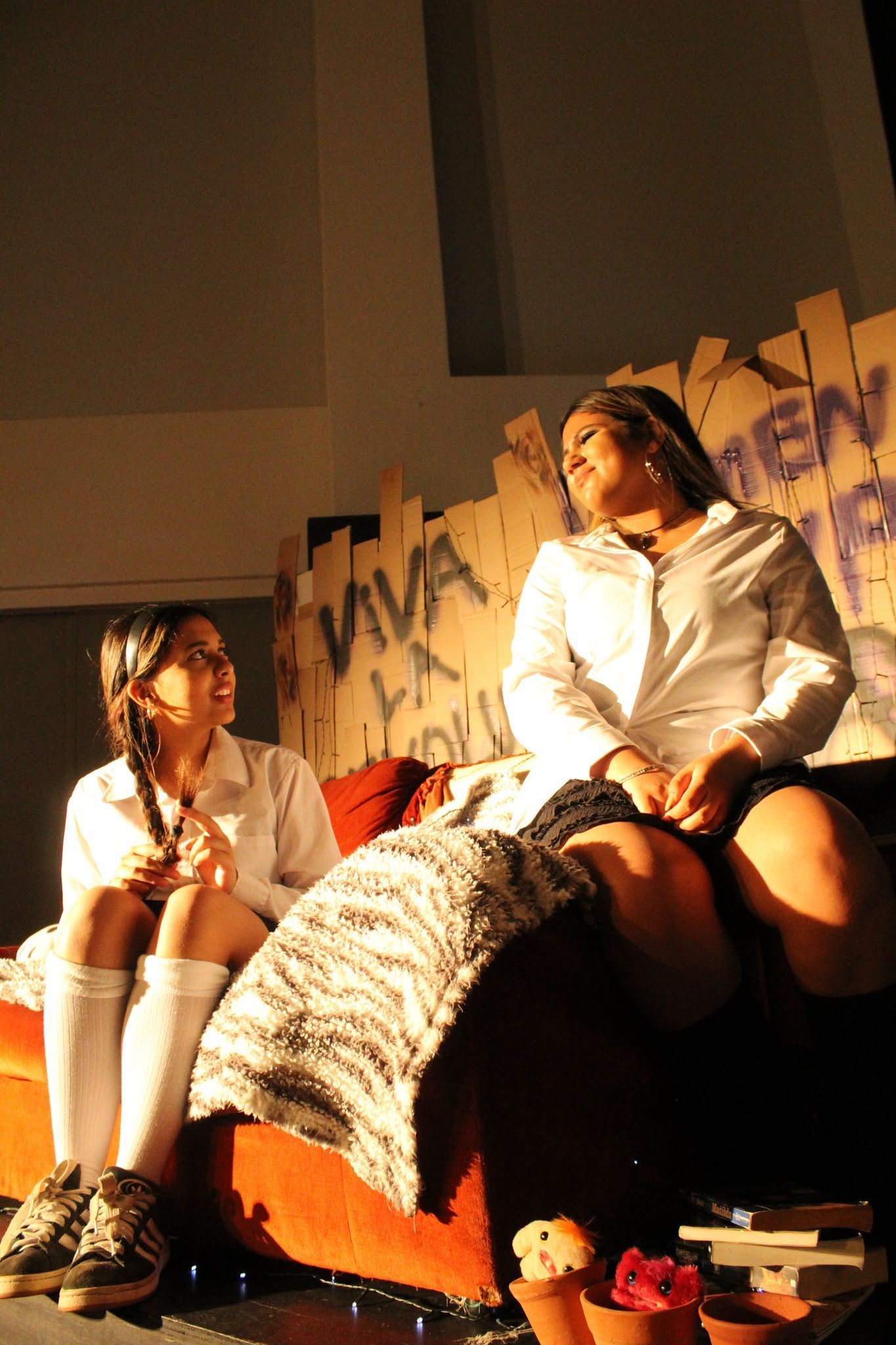
The Crawford International La Lucia College Drama Room was packed on Thursday, 03 September 2026, as students, teachers, and parents gathered for the annual House Plays competition. 


Adams House opened the evening with a clever adaptation of "Alice in Wonderland", directed by Khloe Roux, Sardasha Manicum, and Richard Moonega. What started as a witty tea party with the Mad Hatter took an unexpected turn as a subtle touch of horror crept into the final scene, leaving the audience pleasantly surprised. 


Taylor House followed with "Back to the Future", directed by Humaira Ismail and Amy Wilcox, delivering plenty of laughs during the iconic moment where Marty McFly meets his mother's younger self.


Johnstone House presented a bold original play, "Mother, May We Revolt?" directed by Kalina Reddy and Noah Brownlee, which held the room spellbound during an atmospheric séance scene featuring four girls. 


Adams House earned the overall House Play Award for 2026, but every house walked away with well-deserved recognition, including individual awards for Best Actor, Best Supporting Actor, Best Supporting Actress, and Best Backstage Crew. 


A special thank you goes to Mrs. Van Den Berg, Ms. Munroe, and the judges for organising the event, as well as the audience whose energy made Thursday night unforgettable! 


Writer: Anastasia Brownlee (Press Club) 

Photographer: Uvika Rampershad (Press Club)

Judiciary Announcement 


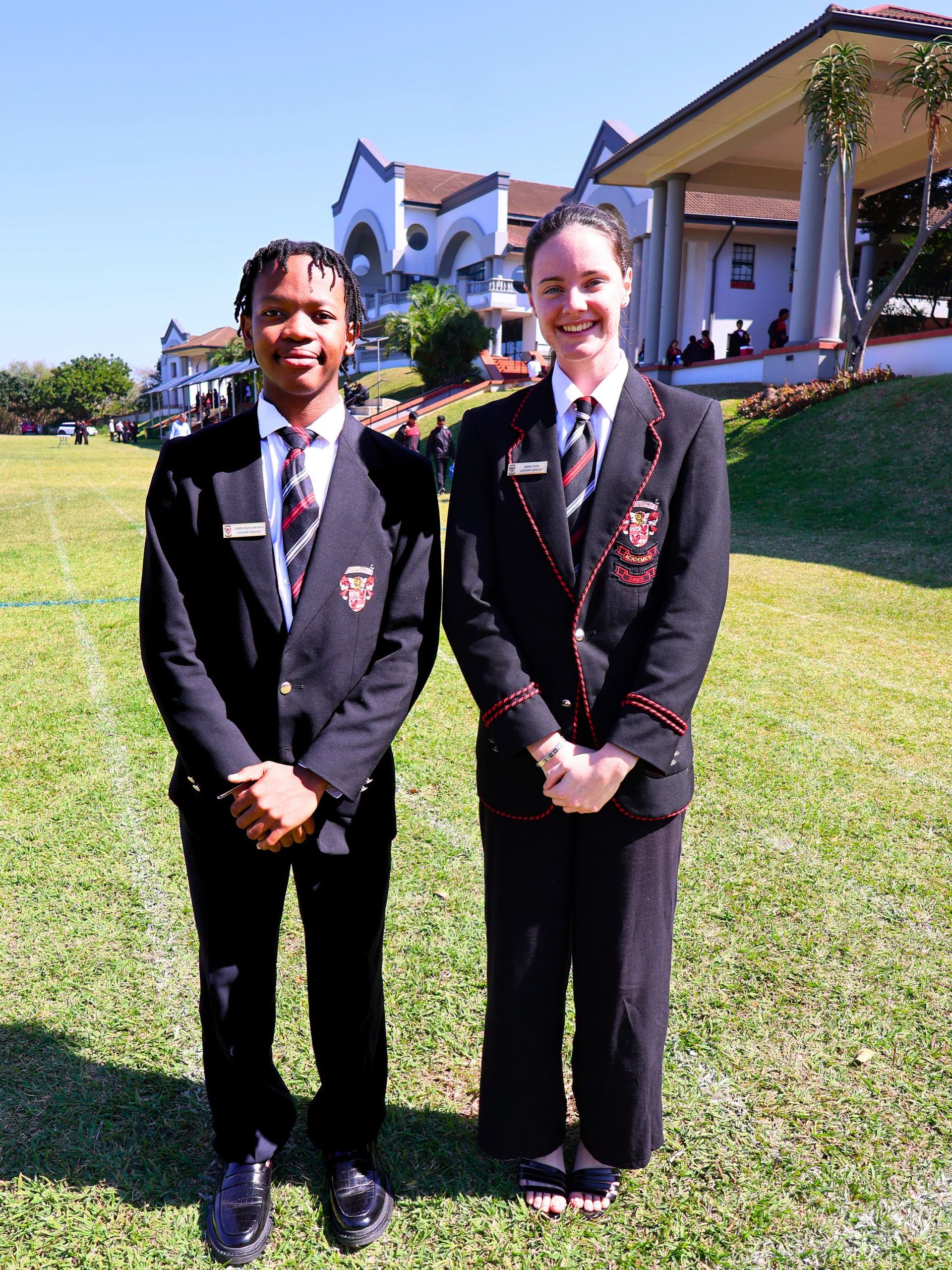
Crawford International La Lucia is delighted to introduce the 2026/2027 College Judiciary, with Slindelokuhle Mnyandu and Sarah Tuck stepping into these important leadership roles. 


We congratulate both students on their appointment and look forward to seeing them lead with confidence, responsibility and enthusiasm in the year ahead. We are excited to see the positive impact they will make across the College community and wish them every success in their new roles! 
Teacher Spotlight: Geertje Wadsworth 


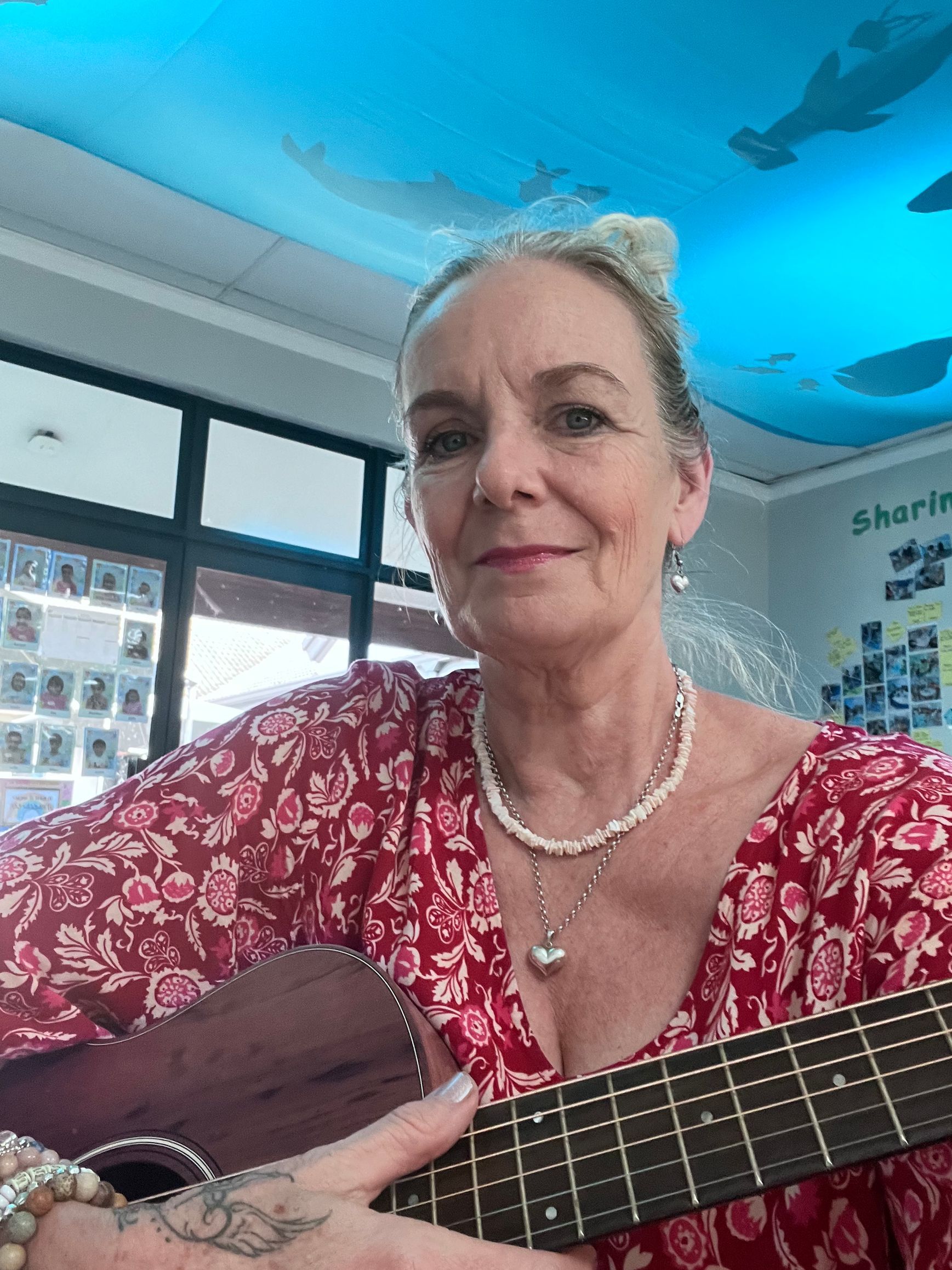
I have been part of the Crawford International family since 1999, bringing over 30 years of experience as a passionate and dedicated pre-primary teacher. I specialise in nurturing children aged 2 to 6 years of age. Teaching Grades 000, 00, and 0, I focus on creating warm, inclusive spaces where every child feels valued and encouraged to explore and grow. 


What I love most about teaching at Crawford International is the opportunity to connect deeply with each child and their family, tailoring learning experiences that build confidence, independence, and a genuine love for discovery. I believe in learning through creativity: using music, movement, and hands-on activities to make every day engaging and joyful. Being part of this community inspires me daily, and I’m grateful to contribute to a school that truly supports both its students and educators. 
October 22, 2026
When Should Children Start Learning to Lead? Leadership is often associated with being in charge, making decisions or standing at the front of a group. But for children, learning to lead can start much earlier and look very different. Leadership can be as simple as taking responsibility, helping someone else, speaking up with confidence or working with others towards a shared goal. So, when should children start learning to lead? The answer may be earlier than parents expect. Leadership is not just for older students Children do not need to wait until they are teenagers to start developing leadership skills. Age-appropriate opportunities can begin in the early years and grow as students become more independent. A younger child might be encouraged to help organise a classroom activity, make a choice or take responsibility for a small task. As they grow, they can take on more responsibility through group projects, sport, clubs, cultural activities and leadership roles. The important thing is that the level of responsibility grows with the child. Start with responsibility One of the simplest ways to introduce leadership is by giving children responsibility. This could mean looking after classroom resources, helping with a group task, taking responsibility for part of a project or contributing to a school activity. These experiences show children that their actions can make a difference to the people around them. At home, parents can encourage the same skills by giving children age-appropriate responsibilities and allowing them to take ownership of tasks. Let children make decisions Leadership also involves making decisions and understanding that choices have consequences. Children can start with small decisions that are appropriate for their age. As they become more confident, they can be given opportunities to think through options, explain their choices and reflect on what happened afterwards. The goal is not to expect children to always make the perfect decision. It is to help them become comfortable thinking for themselves and learning from their experiences. Learning to listen is part of leadership Good leadership is not only about speaking confidently. It also involves listening. Children need opportunities to hear different opinions, work with people who may think differently from them and understand that collaboration often leads to better outcomes. Group activities can be particularly useful here. Whether students are working on a classroom project, playing a team sport, or preparing a performance, they learn that leadership involves understanding and supporting others. Confidence grows through practice Some children are naturally comfortable speaking in front of others, while others may need more time. Leadership opportunities should not be limited to the most outspoken students. Giving children different ways to contribute can help them develop confidence at their own pace. A student might lead a presentation, organise part of a project, support a younger student or take responsibility within a team. Each experience can help them become more comfortable taking initiative. Learning that mistakes are part of leadership Children will not always get leadership right. They may make a poor decision, struggle to communicate or find it difficult to work with others. These moments can be valuable learning experiences. With appropriate guidance, students can reflect on what happened, consider what they could do differently and try again. Learning to respond to setbacks can help children develop resilience and understand that leadership is a skill that develops over time. Look for leadership beyond a title When choosing a school, it can be tempting to look for formal leadership positions such as prefects, student councils or captains. These can be valuable, but they are only one part of leadership development. Ask how students are given opportunities to take responsibility throughout their everyday school experience. Do they work collaboratively? Can they contribute ideas? Are they encouraged to take initiative? Are there opportunities for students to support their peers and wider community? These experiences can help more students develop leadership skills, rather than limiting leadership to a small number of formal positions. Ask how your child can develop as a leader Every child will approach leadership differently. Some may enjoy taking the lead immediately, while others may prefer to contribute quietly before becoming more confident. When considering a school, parents can ask: How are students encouraged to take responsibility? What leadership opportunities are available at different ages? How do students learn to work with others and manage disagreements? Are leadership opportunities available beyond formal positions? How are students supported when they make mistakes or find leadership challenging? The answers can give you a better understanding of how leadership forms part of the wider school experience. Leadership starts with everyday opportunities Ultimately, children do not need to wait for a leadership title before they can start learning to lead. Leadership develops through everyday opportunities to take responsibility, make decisions, listen to others, solve problems and contribute to something bigger than themselves. A school can play an important role by giving students opportunities to practice these skills in different settings and at different stages of their development. At Crawford International, students have opportunities to develop confidence, responsibility and collaboration through their everyday learning and wider school experiences. Because learning to lead is not about being the loudest person in the room or always being in charge. It is about learning how to contribute, take responsibility and help others move forward. Book a personalised tour at your chosen Crawford International campus and discover the experience for yourself.
October 16, 2026
Why Does Creativity Matter in Education? When parents think about education, academic results are often one of the first things that come to mind. But education is also about helping children develop the skills and confidence they need to approach the world around them. Creativity plays an important part in this. It is not limited to drawing, music, drama or other artistic subjects. Creativity is also about asking questions, exploring ideas, finding different ways to solve problems and being willing to think beyond the obvious. So, why does creativity matter in education, and what does it look like in a school environment? Creativity is about more than art Creative thinking can happen in almost any subject. A student might find a new way to approach a maths problem, develop a different explanation in a science project, write a story from an unusual perspective or come up with an original solution to a challenge. This is why creativity should not be seen as something that only belongs in the arts. It can be part of everyday learning and give students opportunities to approach subjects with curiosity and imagination. When looking at a school, ask how students are encouraged to explore ideas and whether there is room for different ways of thinking. It helps students become confident thinkers Creativity gives students opportunities to make choices and develop their own ideas. When there is more than one possible answer or approach, students have to think about why they have chosen a particular path. They learn to explain their ideas, listen to different perspectives and make changes when something does not work. Over time, these experiences can help students become more comfortable sharing their thinking and taking part in discussions, both inside and outside the classroom. It encourages problem-solving Not every problem has an obvious solution. Students will encounter situations where they need to experiment, rethink an approach or try something completely different. Creative learning can give them opportunities to practise these skills in a safe environment. Instead of simply looking for the one correct answer, they can explore possibilities and learn from the process. These habits of thinking can be useful across subjects and in everyday life. It makes learning more engaging Children are naturally curious. Giving them opportunities to investigate, create and make connections can help keep that curiosity alive. Creative activities can also give students different ways to demonstrate what they understand. A project, presentation, model, performance or written piece may allow a student to communicate an idea in a way that suits their strengths.Ask how the school balances structured learning with opportunities for students to explore and create. There is value in getting things wrong Creativity rarely happens perfectly the first time. An idea may need to be changed, a design may not work or a solution may need to be reconsidered. This gives students an opportunity to learn that mistakes can be part of the process. They can review what happened, make adjustments and try again. Learning to respond positively when something does not work can help children develop resilience and become more willing to take thoughtful risks with their ideas. Creativity gives students a chance to discover their strengths Not every student will express creativity in the same way. Some may enjoy performing, while others prefer designing, writing, building, experimenting or solving problems. Giving students access to different experiences can help them discover interests and strengths they may not have known they had. This is one reason opportunities beyond traditional classroom activities can be valuable. Sport, music, drama, art, technology, clubs and projects can all give students different ways to participate and contribute. Ask how creativity is part of school life If you are choosing a school, it is worth looking beyond the list of subjects and asking how creativity appears in the everyday learning experience. You might ask: How are students encouraged to develop their own ideas? Do students have opportunities to work on projects or practical activities? How are creative subjects and activities incorporated into school life? Are students encouraged to explore different approaches to a problem? What opportunities are there for students to take part in creative activities outside the classroom? The answers can help you understand how the school supports students to think, explore and create. Give your child space to create Creativity does not stop when the school day ends. Parents can encourage it at home by giving children opportunities to explore their interests without always needing a particular outcome. Reading, drawing, building, cooking, making music, photography, writing or simply asking questions can all provide opportunities for children to experiment and develop their ideas. The goal is not to produce something perfect. It is to give children the space to wonder, try, change their minds and discover what they enjoy. See how creativity comes to life at school Ultimately, creativity is part of helping students become confident, curious and independent thinkers. It can support learning across subjects while giving children opportunities to discover their interests and develop their own ideas. A school's website can tell you what subjects and activities it offers, but a visit can help you see how students are encouraged to think and participate. Look at the work on display, ask about projects and find out how students are given opportunities to create. At Crawford International, families can visit their chosen campus and experience the school environment for themselves, including the opportunities available for students to explore their interests and develop their strengths. Because education is not only about knowing the right answer. It is also about having the confidence and curiosity to ask questions, explore possibilities and think about what could be next. Book a personalised tour and discover the Crawford International experience for yourself.
October 2, 2026
What Does Your Child Need to Thrive at School? Choosing a school is about more than looking at academic results, facilities, or extracurricular activities. Parents also want to know whether their child will feel supported, understood and encouraged to grow. Every child is different, so there is no single formula for helping them thrive at school. However, there are some important things that can make a real difference to a child's experience, from strong teaching and individual support to opportunities to build confidence and independence. So, what should parents look for when choosing a school? A strong academic foundation Learning is at the heart of school and children need the right support to develop strong academic foundations. This includes teachers who can explain concepts clearly, recognise when a student is finding something difficult, and provide opportunities for students to extend themselves. It is also worth looking beyond grades. Ask how the school encourages students to become curious, ask questions and take an active interest in their learning. A positive approach to learning can help children develop skills that stay with them long after a particular test or subject has been completed. A school environment where your child feels supported Children spend a significant part of their day at school, so the environment around them matters. A supportive school should give students a sense of belonging and create an environment where they feel comfortable asking for help, making mistakes and trying again. Relationships with teachers and other students can have an important part to play in this. When visiting a school, notice how people interact. Do students seem comfortable and engaged? Do teachers take the time to listen? These everyday interactions can tell you a great deal about the school experience your child may have. Teachers who see the individual Your child is more than their academic results. They have their own interests, strengths, challenges and ways of learning. Teachers who understand this can help students feel seen and supported as individuals. This might mean providing additional support when a student is struggling, offering greater challenge when they are ready for it, or finding different ways to help them engage with a subject. When considering a school, ask how teachers get to know their students and how the school responds when a child needs additional support. Opportunities beyond the classroom School is not only about what happens during a lesson. Sport, music, creative activities, leadership and cultural opportunities can give children different ways to discover what they enjoy and where their strengths lie. These experiences can also help students develop confidence, teamwork and responsibility. For some children, an activity outside the classroom may be where they find their confidence or discover an interest that becomes an important part of who they are. Ask what opportunities are available and how students are encouraged to get involved. Space to become more independent As children grow, they need opportunities to take increasing responsibility for themselves and their learning. This could include setting goals, managing tasks, making choices and learning how to respond when something does not go according to plan. A school that gradually gives students more independence can help them develop confidence in their own abilities. Parents can ask how students are encouraged to take responsibility and how this changes as they move through the school. A partnership between school and home Children benefit when the adults supporting them are working together. Clear communication between parents and the school can help families understand how their child is progressing and where additional support may be useful. When choosing a school, it is worth asking how the school communicates with parents, how progress is shared and who parents can speak to if they have a concern or question. A strong relationship between home and school can help create consistency for a child and make it easier to support them as their needs change. Think about what your child needs to thrive There is no one-size-fits-all answer to what children need from school. One child may need more academic challenge, while another may benefit from additional support or more opportunities to build confidence. Some children thrive through sport or creative activities, while others are happiest when they can explore ideas and work independently. The important thing is to consider your child as an individual. Think about their personality, interests, strengths and areas where they may need support, and then look for a school environment that can help them develop across all of these areas. See the school experience for yourself Ultimately, choosing a school is about finding an environment where your child can learn, grow and feel that they belong. A school's website and prospectus can tell you what it offers, but visiting the school can help you understand what the experience actually feels like. Meet the teachers, see the classrooms, observe the students and ask the questions that matter to your family. At Crawford International, families have the opportunity to experience the school environment for themselves and discover how students are supported throughout their school journey.  Choosing a school is not only about what happens in the classroom. It is about finding a place where your child can be supported, challenged and encouraged to become the best version of themselves. Book a personalised tour at your chosen Crawford International campus and discover the experience for yourself.
September 25, 2026
Does Success at School Have to Mean Straight A's? For many parents, academic results are one of the clearest ways to measure how a child is doing at school. Good marks can be a source of pride and can open doors to future opportunities. But does success at school have to mean achieving straight A's? Academic achievement is important, but a child’s school experience is about more than a report card. Success can look different for every student and recognising that difference can help children develop a healthier, more confident approach to learning. Marks matter, but they are not the whole picture Strong academic performance can reflect hard work, understanding and commitment. Schools have a responsibility to provide students with the knowledge and skills they need to achieve their academic goals and prepare for their next steps. At the same time, marks do not always capture everything a child is learning or how much they are growing. A student who becomes more confident speaking in class, learns how to manage a difficult subject or perseveres after making a mistake is experiencing meaningful progress, even if that progress is not immediately reflected in a higher mark. What does success look like beyond As? A broader view of school success can include a range of personal and academic milestones, such as: Becoming more confident in asking questions and sharing ideas. Developing resilience when faced with challenges or setbacks. Learning to work effectively with others. Discovering an interest or talent in a new area. Taking greater responsibility for learning and personal goals. Developing leadership, communication and problem-solving skills. Every child has a different path Children do not all learn in the same way or at the same pace. One student may excel academically from an early age, while another may need more time and encouragement before a subject clicks. Some may find their confidence through sport, music, art or leadership, while others discover it through academic challenges. This does not mean lowering expectations. Instead, it means understanding that high expectations and individual support can work together. Children should be encouraged to aim high while also being given the guidance they need to recognise their own progress. The importance of confidence and resilience School inevitably comes with challenges. Students will encounter subjects they find difficult, assignments that do not go to plan and moments when they may not achieve the result they hoped for. Learning how to respond to these experiences is an important part of growing. A child who understands that a setback is not a definition of their ability is more likely to try again, ask for help and keep going. Over time, these experiences can build resilience and a willingness to embrace challenges rather than avoid them. Making room for different kinds of achievement A well-rounded school experience gives students opportunities to succeed in different ways. Sport can develop teamwork and discipline. Cultural and creative activities can encourage self-expression. Leadership opportunities can build confidence and responsibility. Academic challenges can strengthen knowledge, critical thinking and problem-solving. These experiences do not compete with academic achievement. They can complement it, helping students develop the wider skills and qualities they need to navigate future study, work and life. How parents can think about success Parents can play an important role by looking beyond individual marks and asking broader questions. What is your child enjoying? What are they finding challenging? Where have they grown in confidence? What new skills or interests have they discovered? Celebrating effort, improvement and perseverance alongside academic achievement can help children understand that success is not about being perfect. It is about learning, growing and continuing to move forward. A broader definition of success Straight A's can be an achievement worth celebrating, but they are not the only measure of a successful school experience. True success can also be seen in a student who becomes more confident, learns to persevere, discovers a passion, or begins to believe in what they are capable of. At Crawford International, academic excellence is supported by opportunities for students to develop their interests, confidence and wider skills. This balanced approach recognises that every student has different strengths and that success is about helping each child make meaningful progress while preparing them for what comes next. As a school, the goal of education is not simply to collect the highest marks. It is to help young people develop their knowledge, character and confidence to make the most of their potential. Discover our holistic approach to education by booking a personalised tour.
September 18, 2026
What Can You Really Learn From a School Tour? Choosing a school is about more than comparing websites, prospectuses and academic results. While these can provide useful information, there is something different about seeing a school in person. A school tour gives parents the opportunity to experience the environment where their child could spend some of their most formative years. But what should you actually look for on a school tour? Beyond the buildings and facilities, a visit can tell you a great deal about the school’s culture, its approach to learning and whether it feels like the right fit for your child. Look beyond the facilities Modern classrooms, sports fields, libraries and technology can all contribute to a positive school experience, but facilities are only part of the picture. During a school tour, pay attention to how spaces are used and how students interact within them. Are classrooms welcoming and purposeful? Do students appear engaged? Are there spaces that encourage collaboration, creativity and independent work? These details can give you a better understanding of how the school environment supports everyday learning. Notice how teachers and students interact One of the most valuable things to observe on a school tour is the relationship between teachers and students. A school can tell you about its values, but seeing those values in action can be much more revealing. Notice whether students appear comfortable asking questions and speaking with their teachers. Consider how teachers communicate with students and whether interactions feel respectful, encouraging and supportive. These everyday moments can provide insight into the kind of experience your child may have in the classroom. Get a feel for the school culture School culture can be difficult to understand from a website alone. Listen to what you hear in corridors and classrooms, notice how students move around campus, and consider whether you can picture your child feeling welcome, known and confident there. These impressions may not appear in a prospectus, but they can be some of the most useful things you take away from a visit. Ask ab es out Values You can also ask about the values the school prioritises. How does it support student wellbeing? How are relationships and respect encouraged? What opportunities do students have to contribute to the school community? The answers can help you understand what life at the school is really like. Ask how students are encouraged to grow A strong education should provide more than academic knowledge. During your tour, ask how the school helps students discover their interests, build confidence and develop skills beyond the classroom. Find out about opportunities in sport, culture, leadership, creative activities, clubs and other enrichment programmes. These experiences can help students explore their strengths and develop qualities such as teamwork, resilience, communication and independence. Ask the questions that matter to your child Every child has different needs, interests and ambitions, so there is no universal checklist for a school tour. Think about what matters most to your child before you visit and use the opportunity to ask specific questions. What does a typical day look like for a student in my child's age group? What support is available if my child needs extra help or wants to be stretched further? What opportunities do students have to take part in sport, culture, leadership or creative activities? How does the school communicate with parents? How are students encouraged to take responsibility for their learning? Trust what you see and how you feel A school tour is also an opportunity to consider whether you can picture your child being happy and confident in that environment. Does the school feel welcoming? Do the students seem engaged? Do the teachers appear approachable? Can you imagine your child feeling known, supported and encouraged to grow? These impressions may not appear in a prospectus, but they can be some of the most useful things you take away from a visit. See the school experience for yourself Ultimately, a school tour can turn a list of facts into a real sense of what a school offers. It allows parents to look beyond academic results and facilities and see the people, relationships and environment that shape a student’s everyday experience. This is why visiting a school matters. At Crawford International, families have the opportunity to see the school environment, meet teachers and experience the community for themselves. Choosing a school is not only about what it offers, but whether it is a place where your child can learn, grow and thrive. At Crawford International, personalised tours are arranged directly with your chosen campus, giving you and your family the chance to meet our teachers and students on a day that suits you Book a personalised tour and discover the Crawford International experience for yourself.
Crawford International graphic asking in red and black text, “Does your child have a voice in their education?”
September 11, 2026
Student voice builds confidence and independence. See what having a say looks like from Grade 1 to Grade 11, and how parents and schools support it.
September 4, 2026
A school tour shows you the buildings. Picture your child inside them. What to look for beyond the facilities when you are choosing a school.
August 21, 2026
Most parents ask about fees and academics. These are the seven questions that tell you far more about whether a school is right for your child.
August 14, 2026
A school Open Day shows you what a website cannot. Here is what happens on the day, what to look for, and why visiting in person matters so much.
Crawford International ad: “Helping Your Child Develop Leadership Skills at Every Age” in red and black text
August 7, 2026
Leadership starts long before the boardroom. See how children build confidence, empathy and decision making from pre-primary through to matric.
Show More