Sandton March 2026

April 17, 2026

Pre-Primary  

Reggio Children International Study Group: April 2026  


We are proud to share that Principal Lucinda has been selected to attend the 2026 International Study Group in Reggio Emilia, Italy, an exciting and prestigious professional opportunity. Each year, the Africa Reggio Emilia Alliance (AREA) offers educators the chance to participate in this immersive experience, where participants visit the renowned municipal schools and infant-toddler centres in the city of Reggio Emilia. 


This study group brings together passionate educators from around the world to engage deeply with the Reggio Emilia Approach, an educational philosophy celebrated for its emphasis on children’s competence, creativity and collaborative learning. Through this experience, Lucinda will gain valuable insights into innovative teaching practices, research and the strong culture of collaboration that defines this approach. 


We look forward to the inspiration and knowledge she will bring back to our school community, enriching our teaching and learning in meaningful ways. 


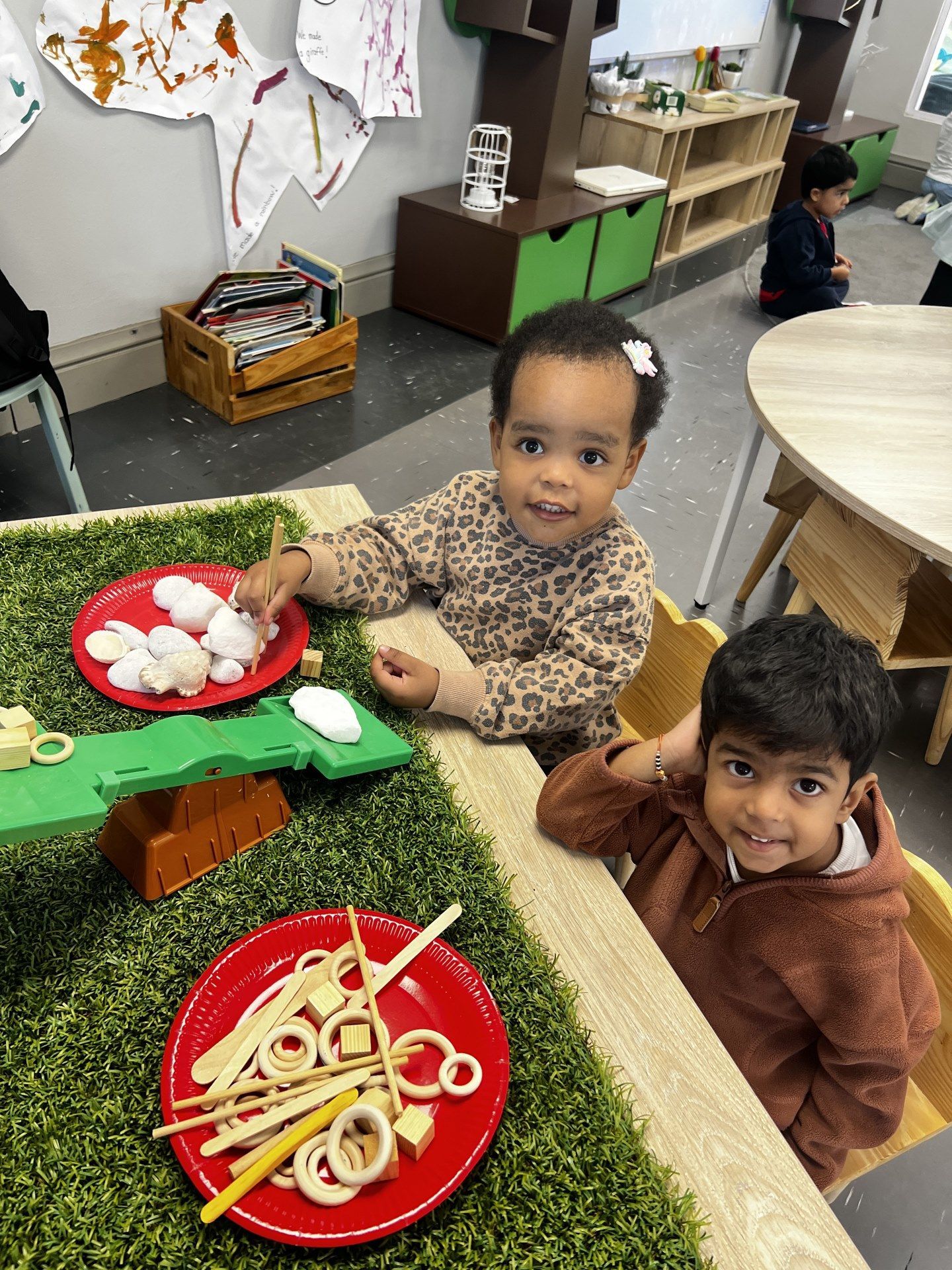
Exploring “Heavy and Light” 


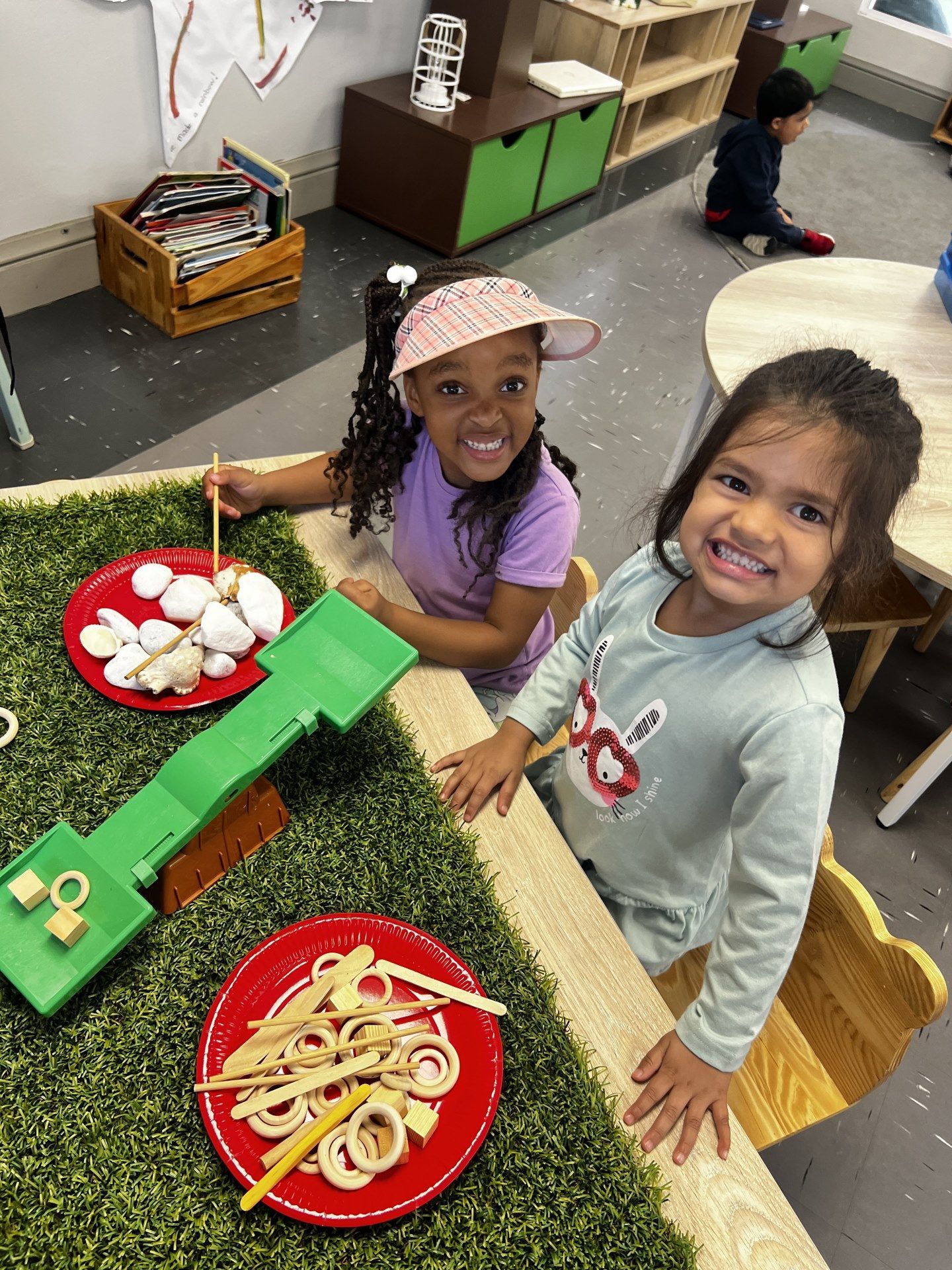
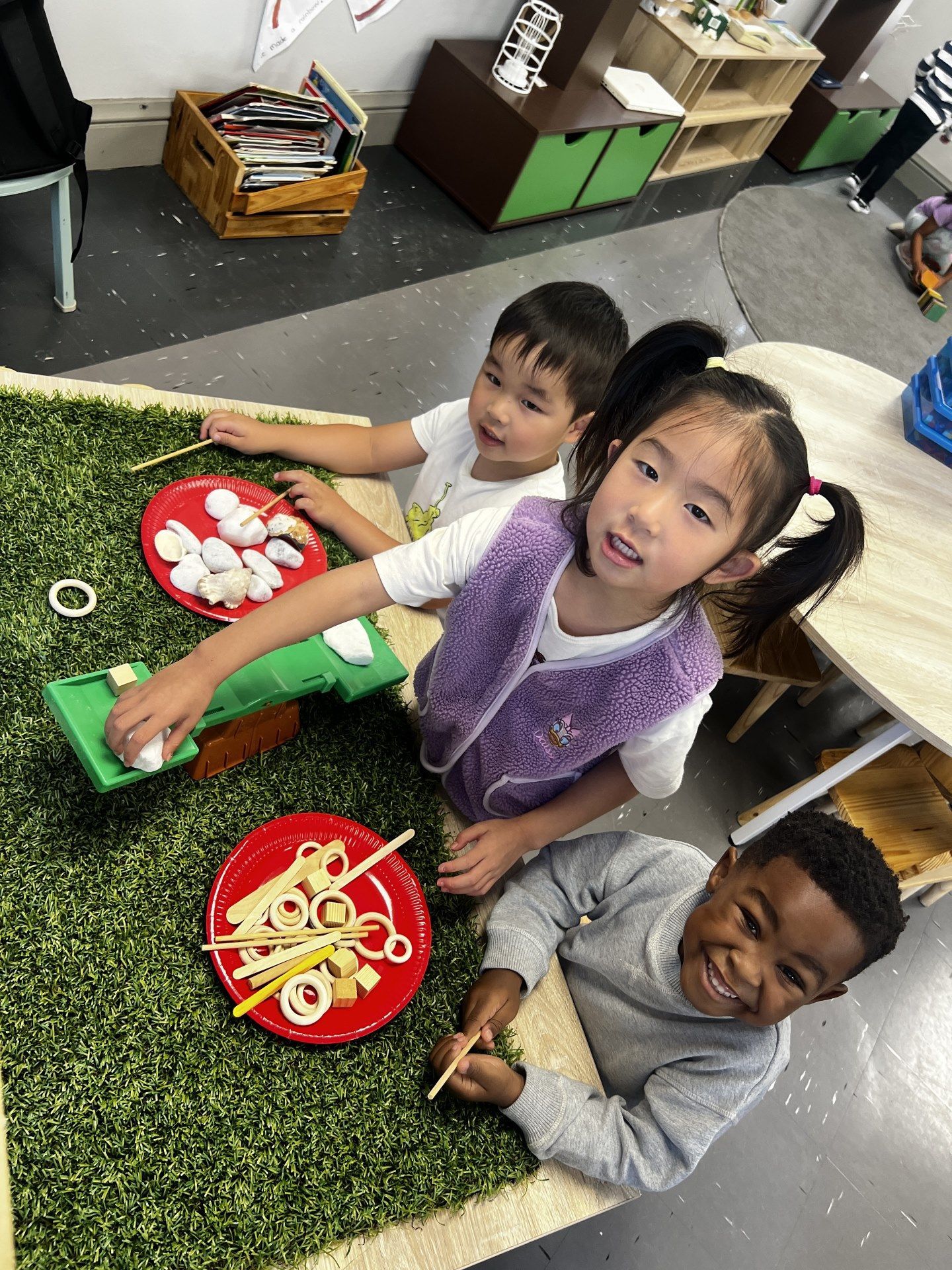
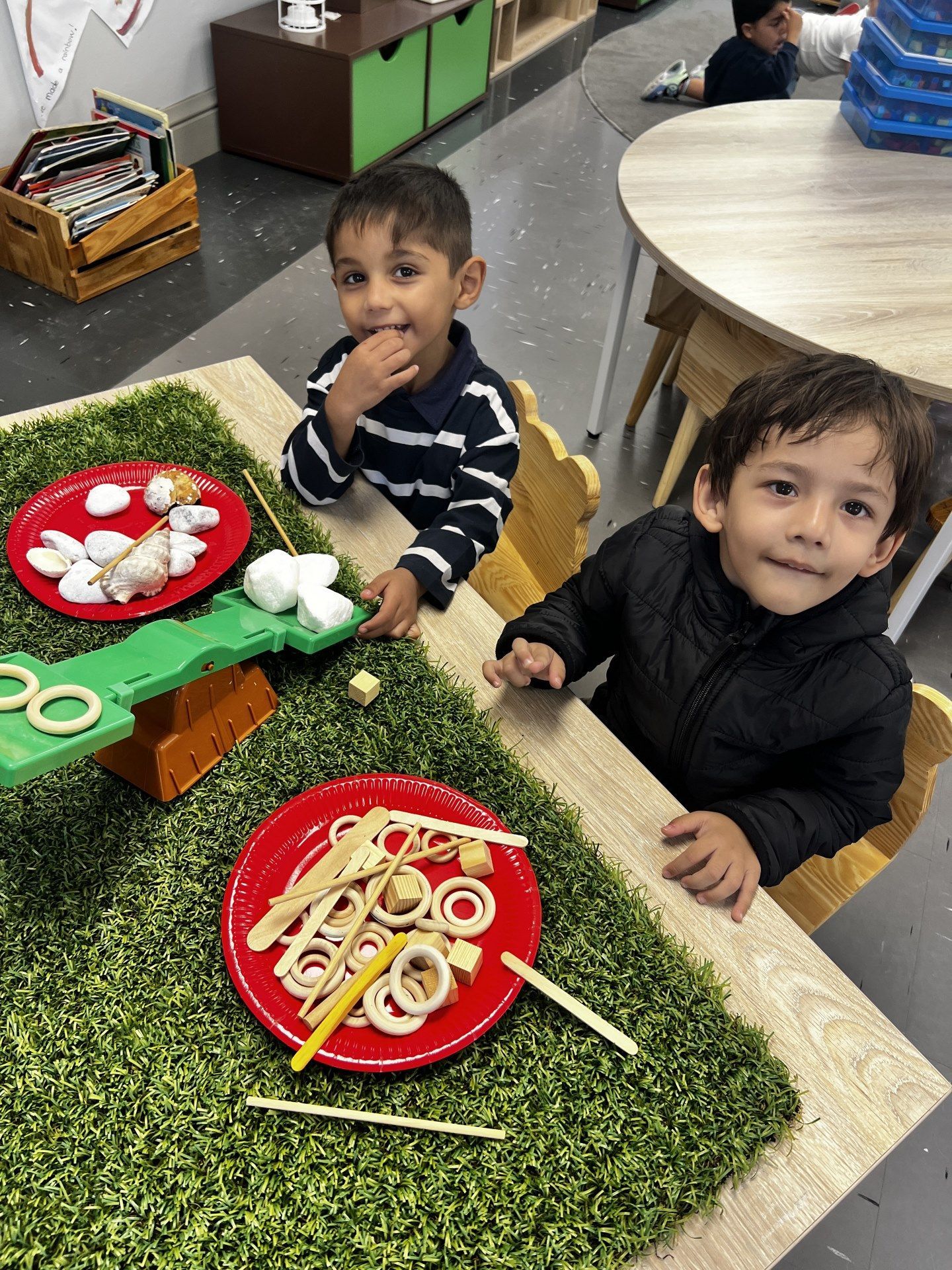
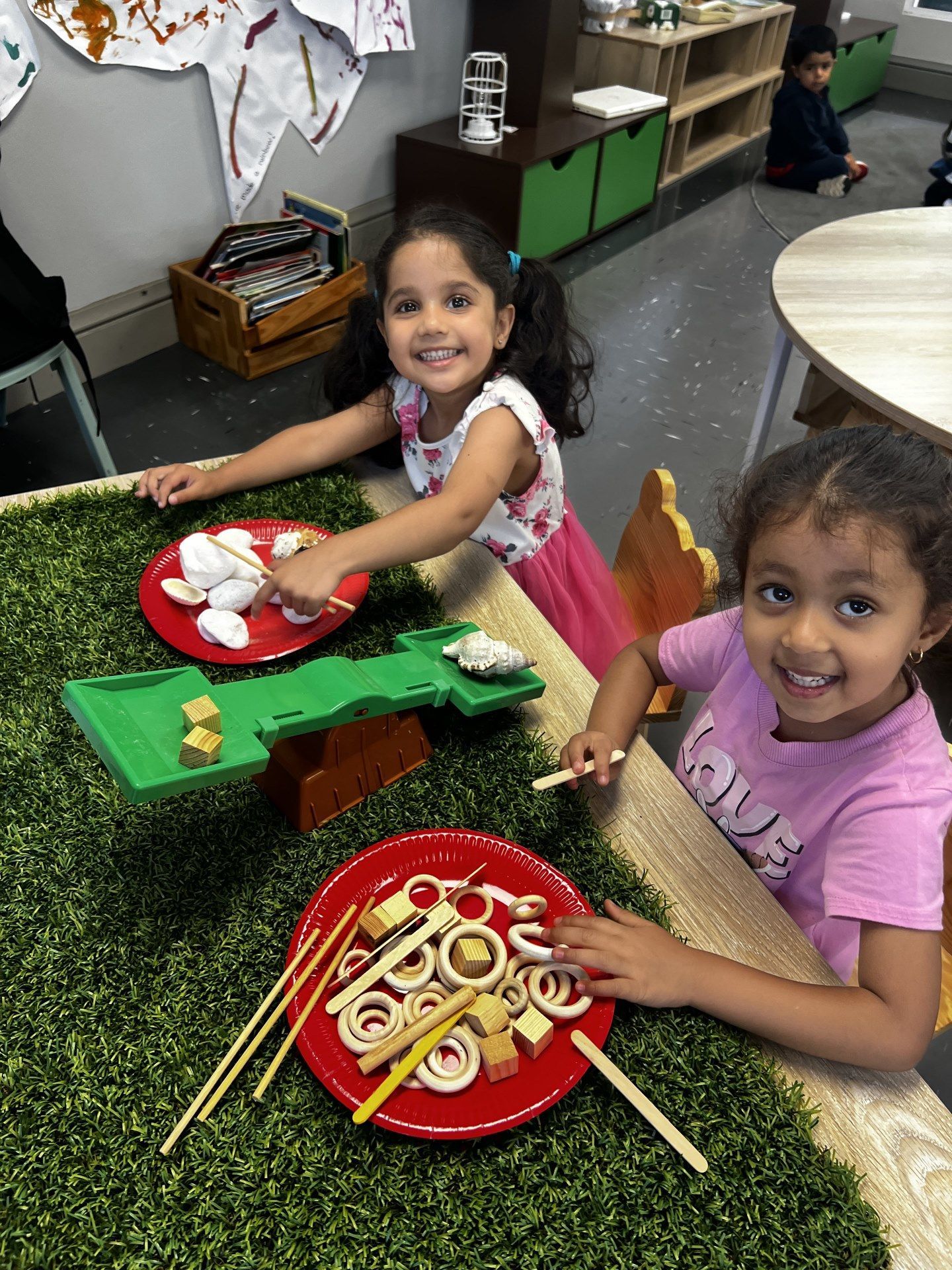
Our young students recently explored the concept of “Heavy and Light” through hands-on play. During this activity, the children experimented with different objects, lifting, carrying and comparing them to discover which items felt heavy and which felt light. 


The purpose of this activity was to help children begin understanding early scientific and mathematical concepts by exploring weight through play and investigation. 


Skills and Development Areas :

  • Early Scientific Thinking – Children begin to notice differences between objects and make simple comparisons. 
  • Problem-Solving and Inquiry – Learners predict, test and observe what happens when they lift different items. 
  • Language Development – Children expand their vocabulary by using words such as heavy, light, bigger and smaller. 
  • Motor Skills – Lifting, carrying and moving objects helps strengthen both fine and gross motor skills. 
  • Critical Thinking – Children start making connections and explaining their observations. 
  • Confidence and Independence – Through exploration, children gain confidence in trying new ideas and expressing their thoughts. 


Through activities like these, our students develop curiosity and a love for discovery while building the foundational skills that support future learning. 
Exploring the World of Patterns: Who We Are


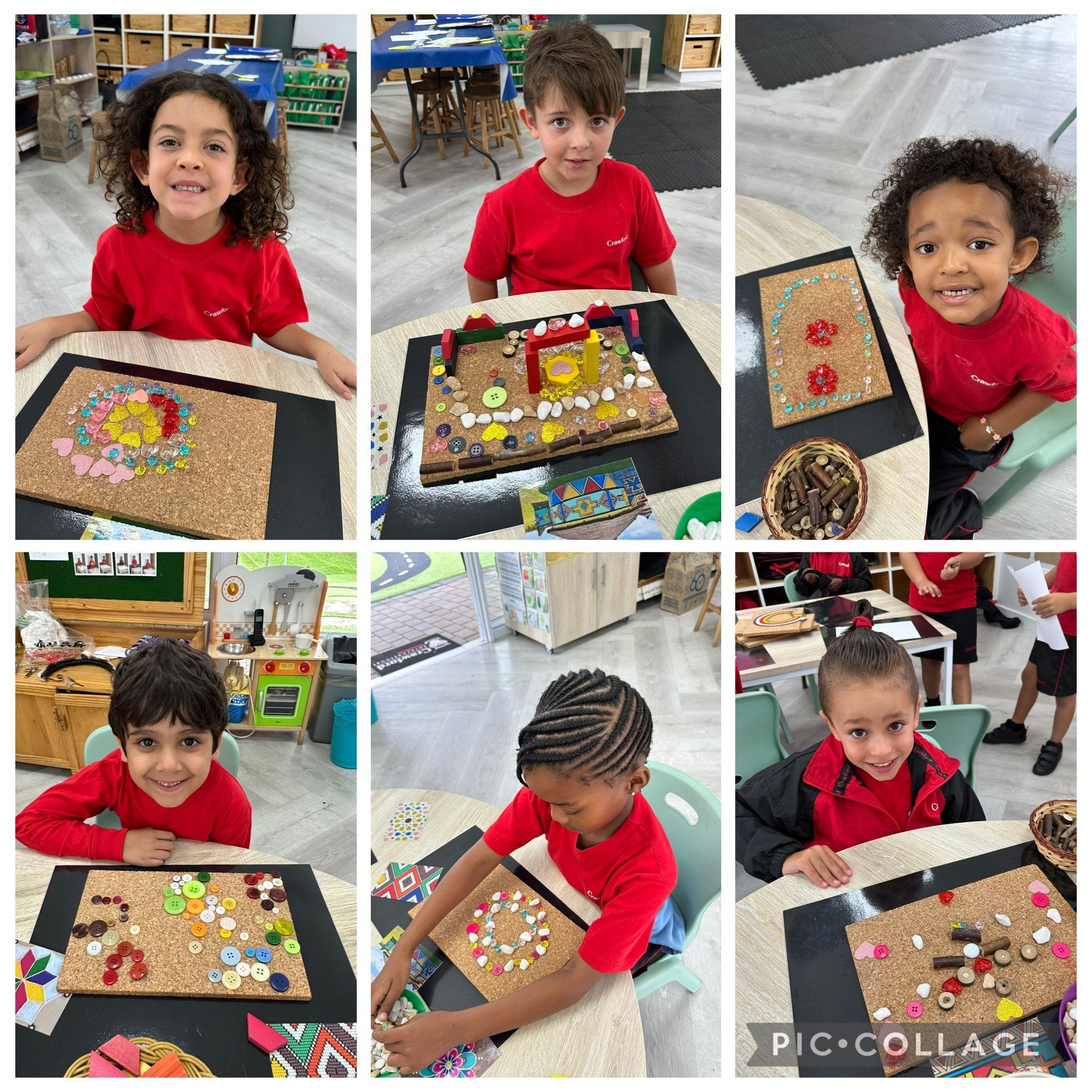
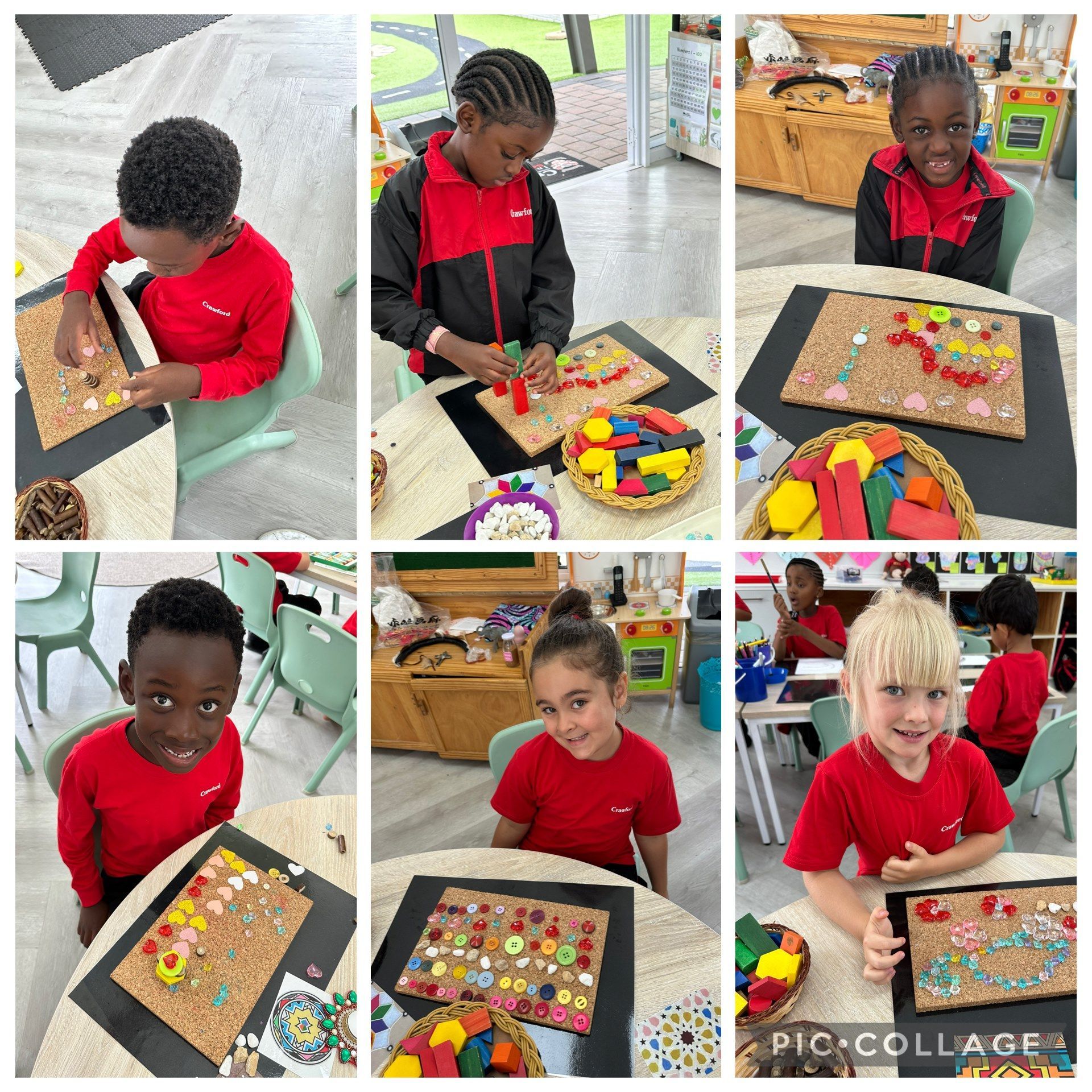
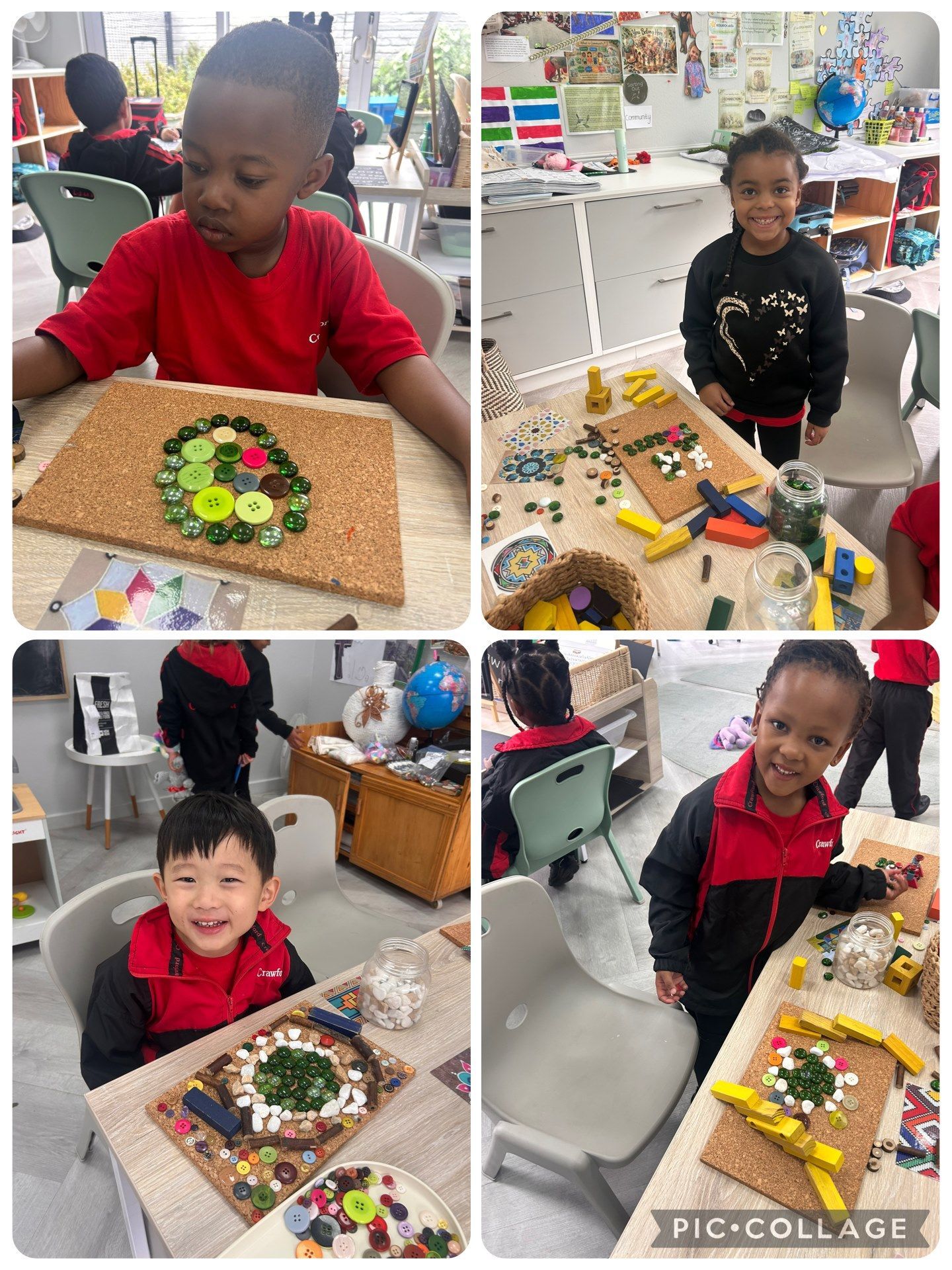
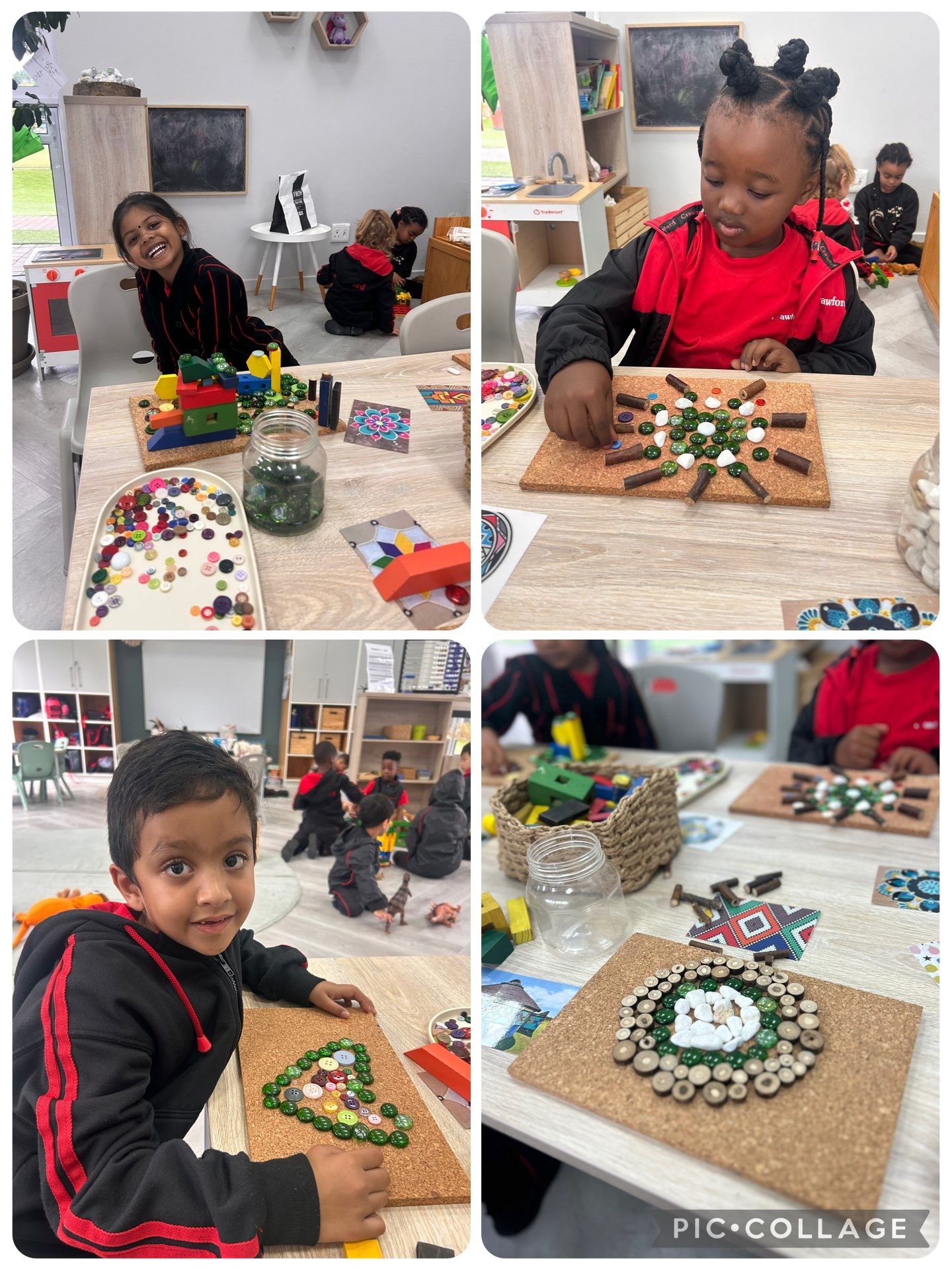
As part of our Who We Are unit of inquiry, students have been exploring the world of patterning, discovering that patterns are more than shapes. They are a way people across the world express identity, culture and history.


Through observing and creating these designs, students are also developing essential early maths skills and a keen eye for detail.

Rangoli


Our journey began with the vibrant art of Rangoli. Originating from India and celebrated by many in our local communities, these patterns grow outward from a central point using geometric symmetry.


Students used brightly coloured materials to create their own repetitive designs, focusing on how one shape follows another in a predictable sequence.

Mola Art


We then explored Mola art from Panama, famous for its intricate, layered and bold designs. Students were fascinated by the way the


Guna people use animal shapes and zigzags to fill every inch of space, helping them understand how multiple colours and shapes interact to create something truly striking.

Standard Patterning


Alongside these global art forms, students have been mastering AB, ABC and AAB sequences, the building blocks of algebraic thinking. Using beads, blocks and body percussion, they are becoming confident at identifying what comes next.

Spotting Patterns at Home


Patterns are all around us. You can encourage your child to find them in traditional clothing like Shweshwe fabrics or local beadwork, in nature through the symmetry of leaves or a snail's shell, and even in daily routines like the sequence of getting ready in the morning.
 Preparatory 
 Inter-Crawford Summer Festival 


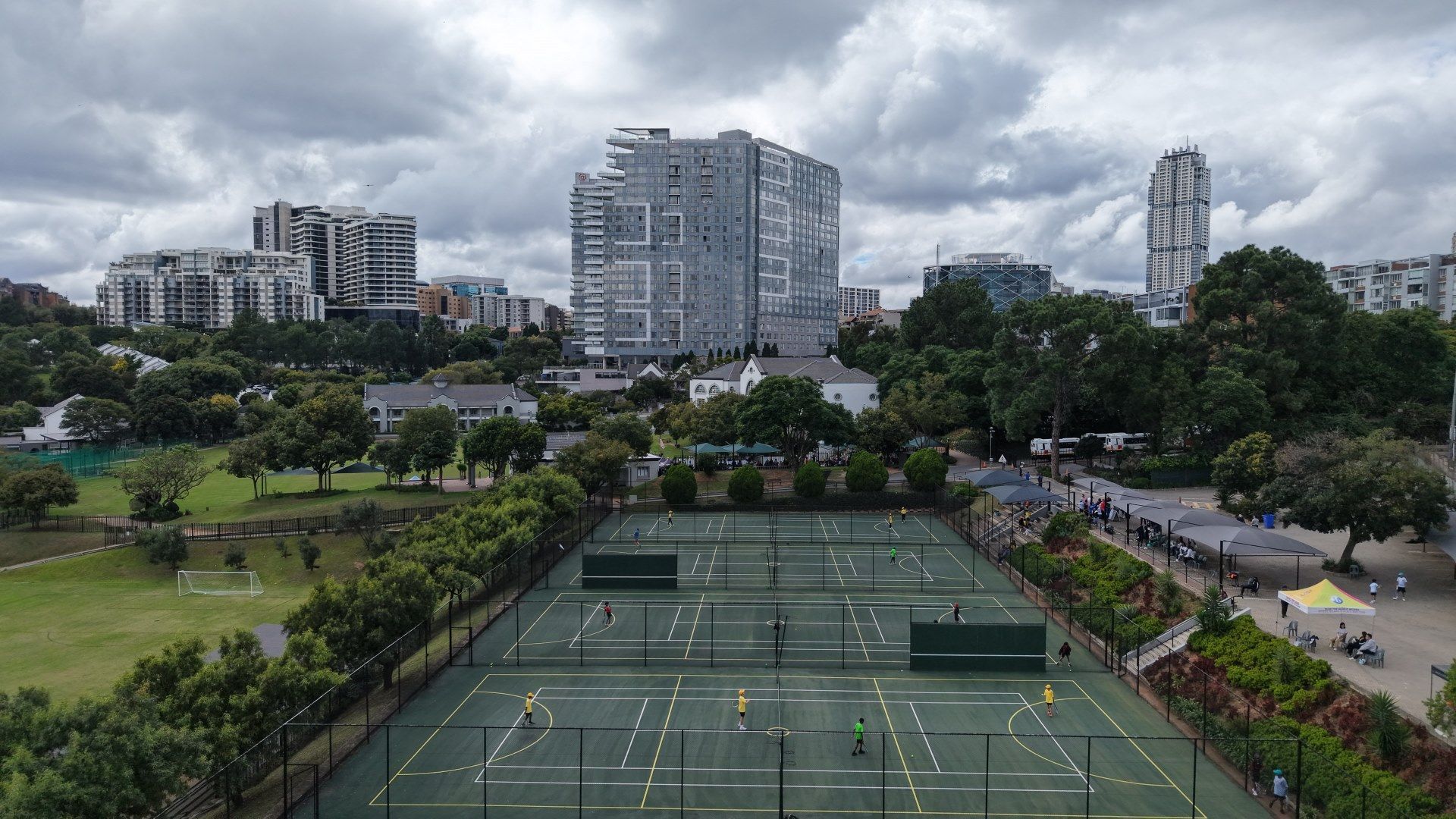
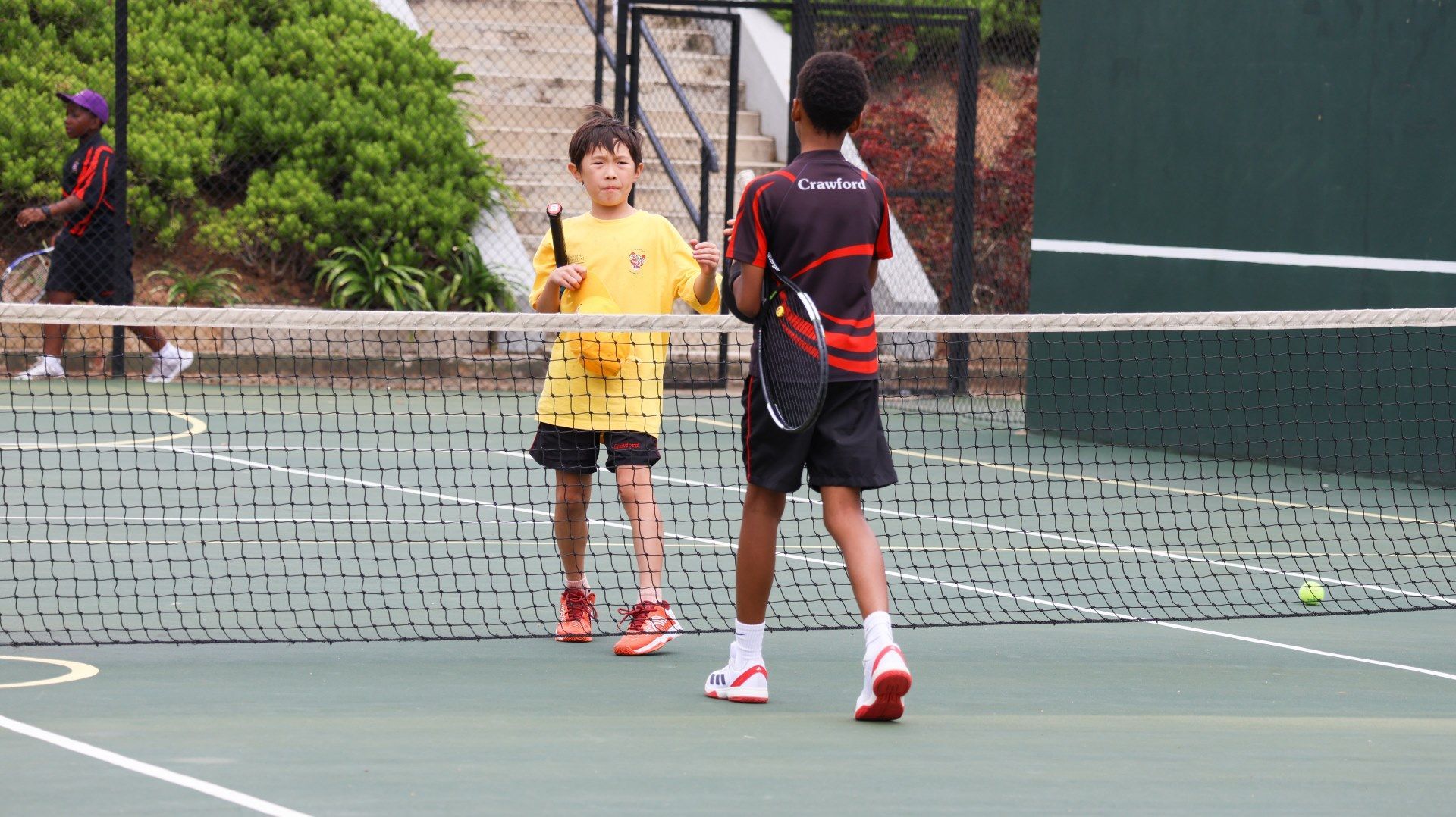
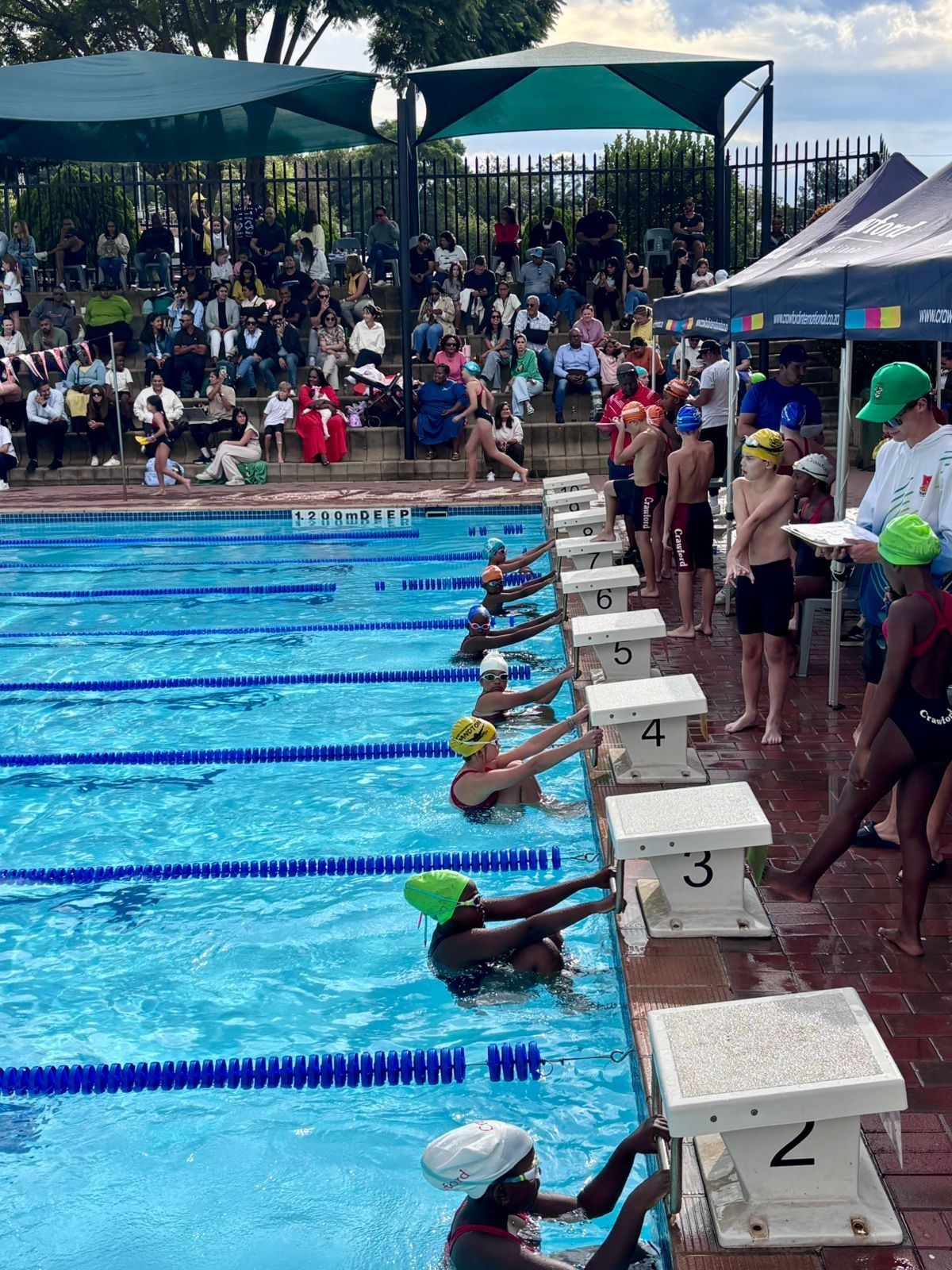
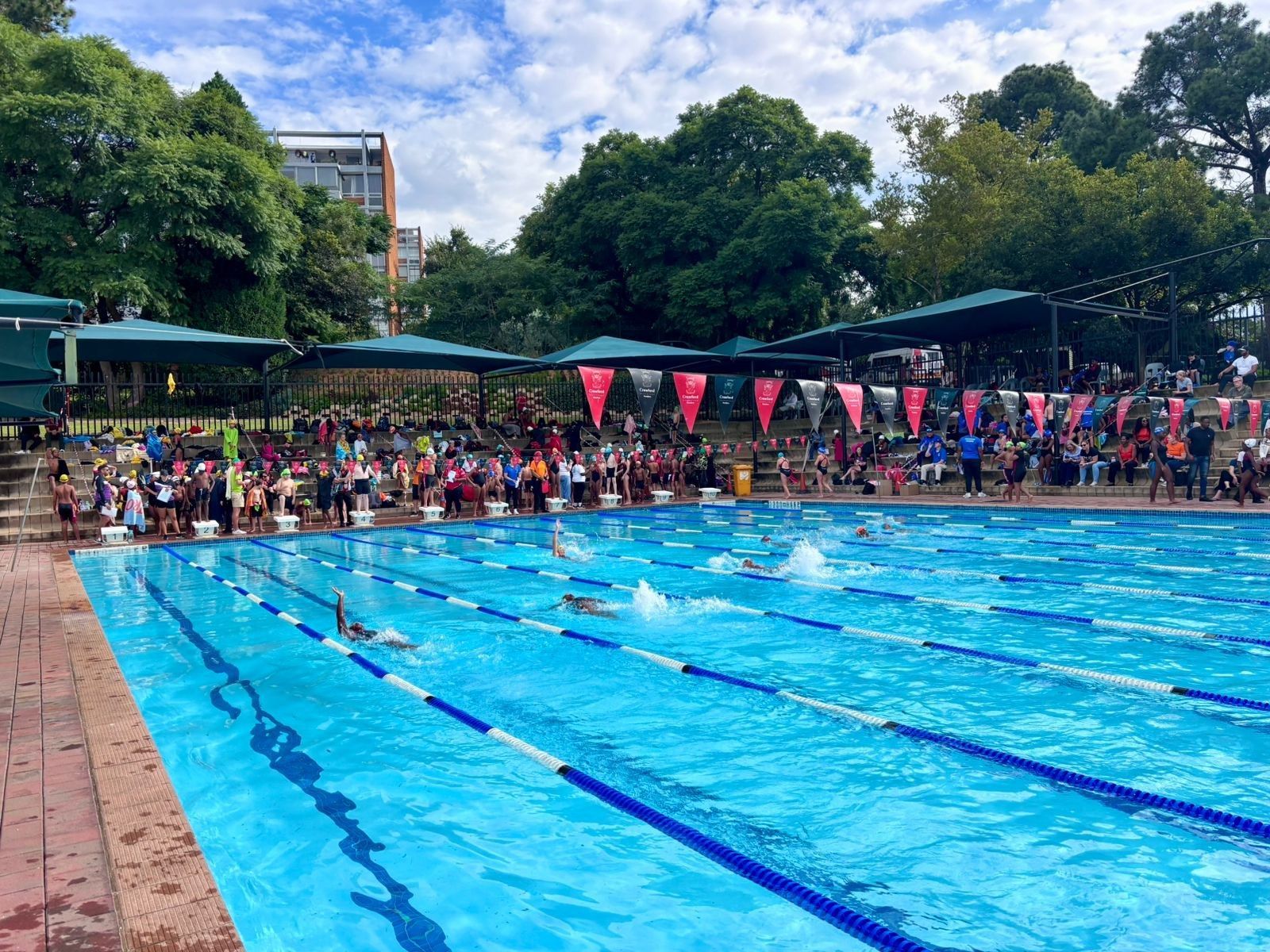
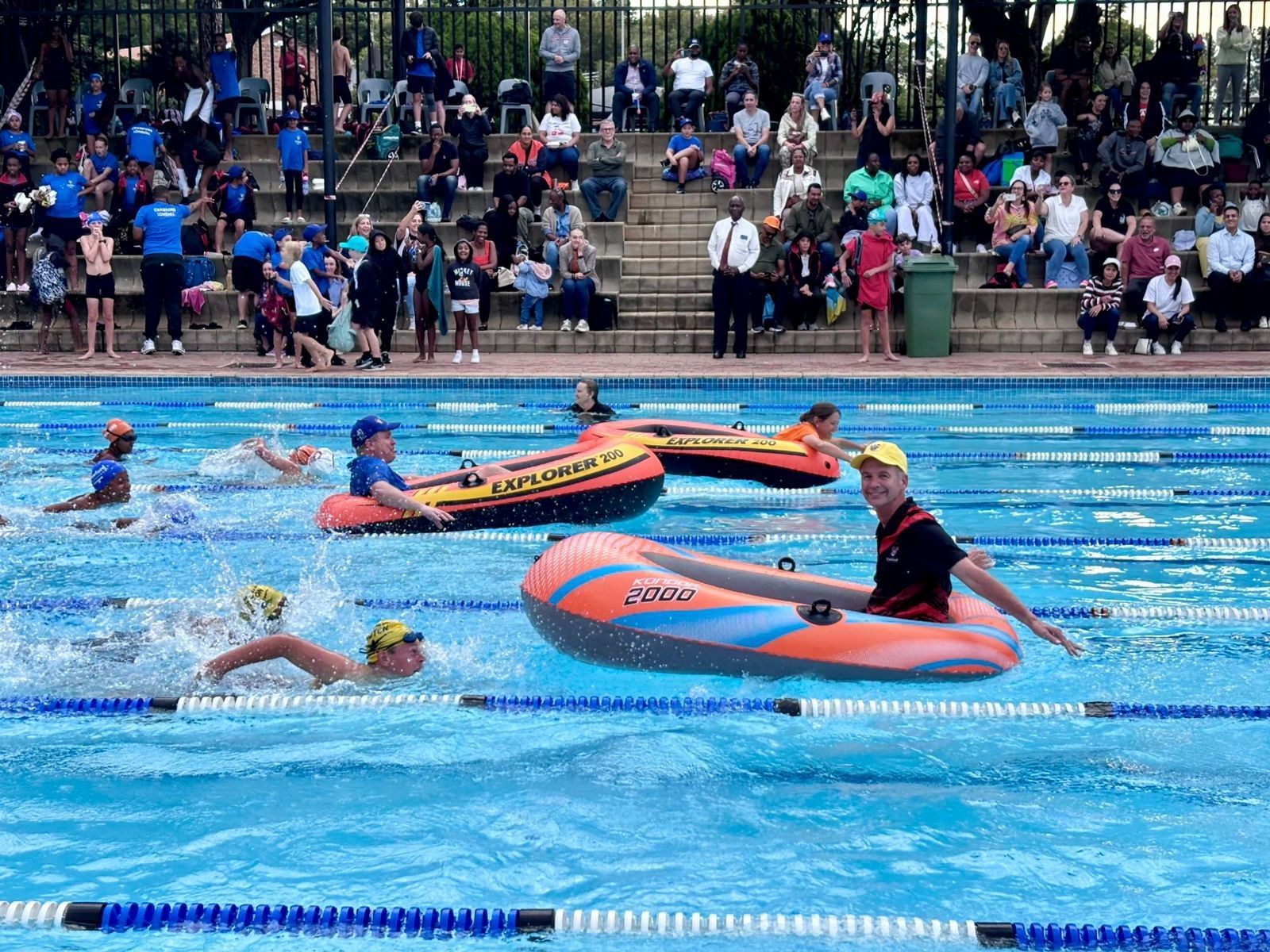
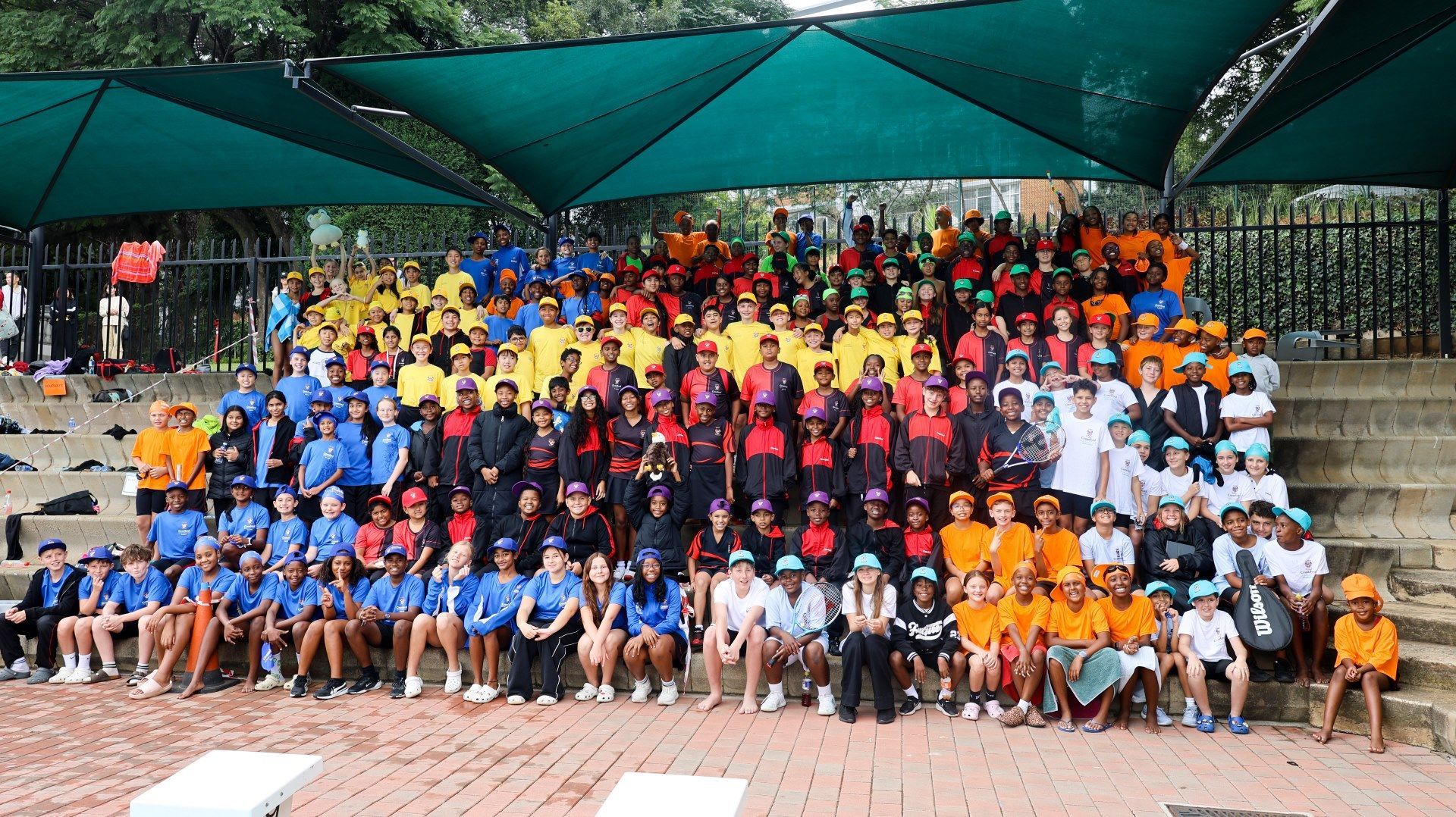
On behalf of Mr Haigh and the Sports Department we would like to say a huge thank you and congratulations to all the boys and girls that participated in our Inter-Crawford Summer Festival this last weekend. We were lucky enough that the weather was on our side for both days, and our swimmers and players could show off their talents and have fun.


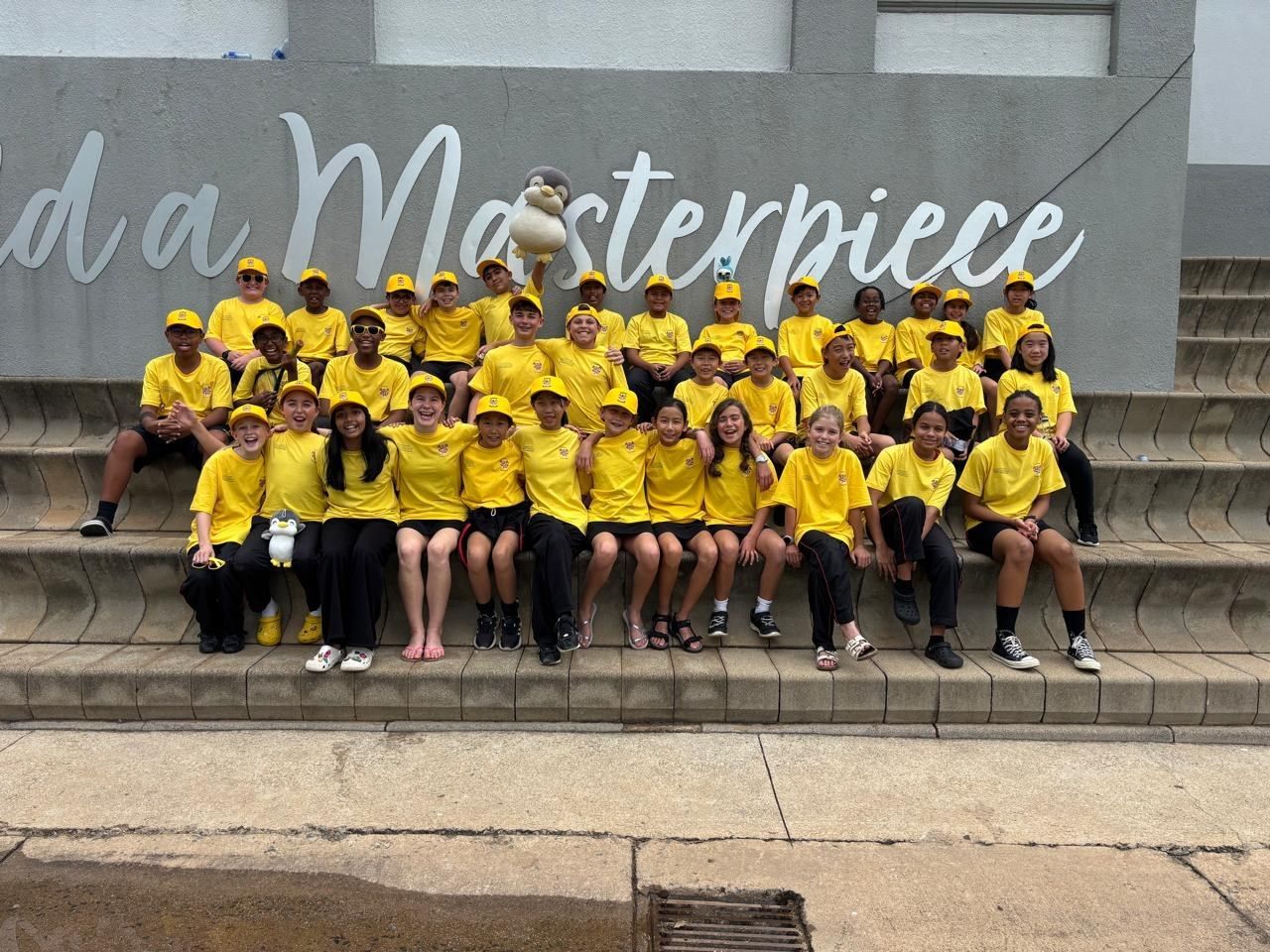
Our colour is always yellow, and we stood out wherever we went. It was lovely to receive compliments by coaches from the the other Crawford schools on the noticeable improvement of our students on the courts and in the water. This couldn’t take place without the dedication and enthusiasm from our teachers and coaches, thank you.


A thank you to all of our parents for supporting this event and coming through to watch, we appreciate your time. 

RDI on Campus


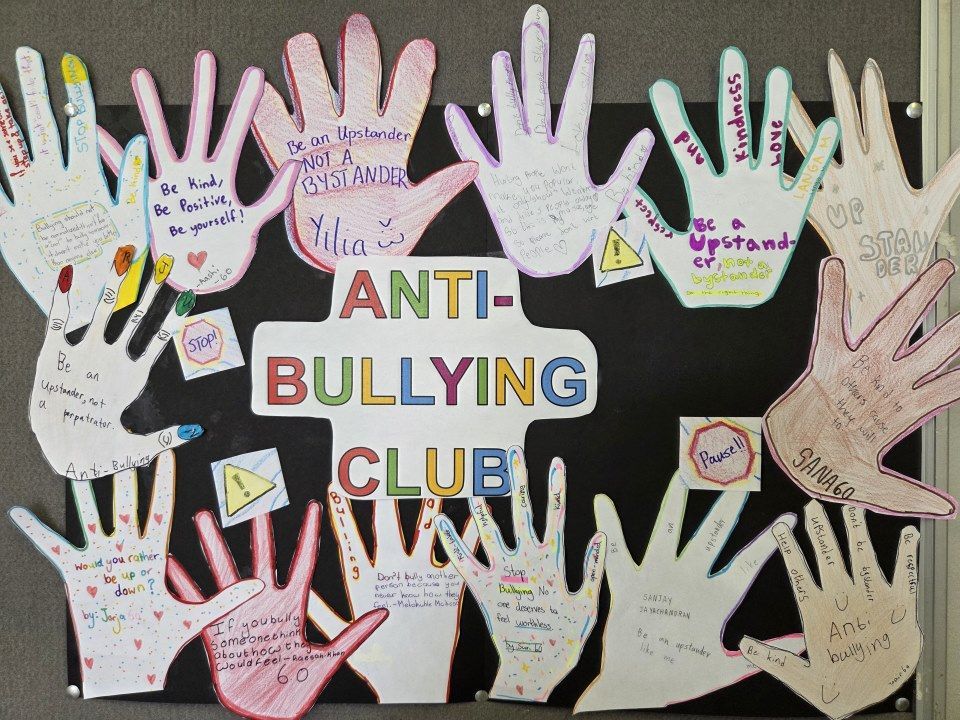
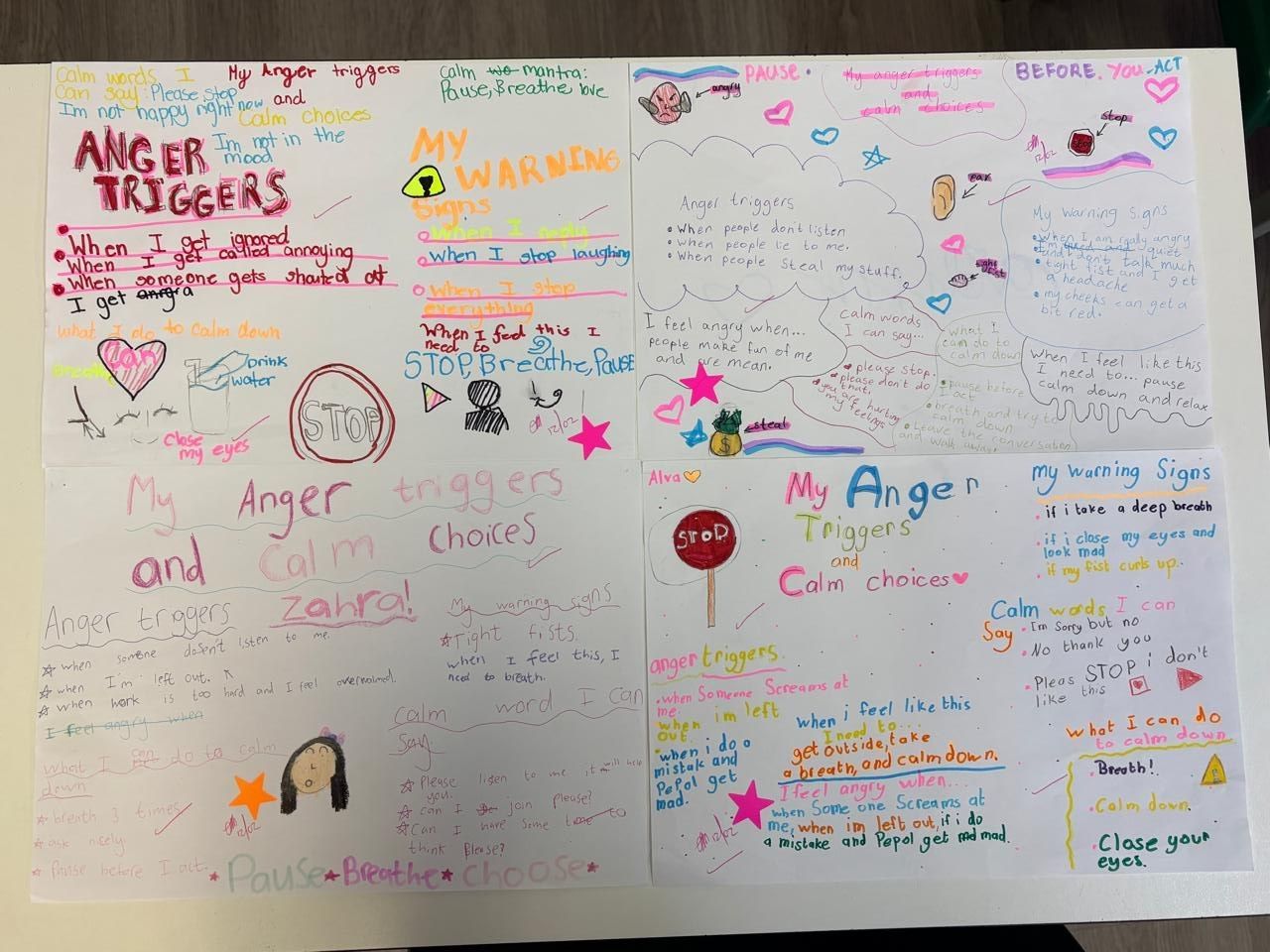
Respect, Diversity and Inclusion (RDI) is a programme that each grade engages with as a Register Class and, at times, as a full grade. The topics are age-appropriate and thoughtfully selected to address the social and emotional challenges that may arise at different stages of students’ growth and development. 


These conversations take place in safe, supportive environments where trust and mutual respect are actively nurtured. 

Some of the topics already explored across various grades include name-calling, bullying, understanding emotions, friendships, self-love, the Code of Conduct and kindness.
Foundation Phase Assembly Highlights 


Our Foundation Phase assembly was filled with wonderful moments of learning and inspiration this week.


The Grade 3W class shared the story Yet, reminding us all about the power of a growth mindset and the importance of perseverance. The message was clear, just because we can’t do something yet, doesn’t mean we won’t be able to with practice and determination.


Grade 3F followed with a thoughtful and powerful poem about caring for our planet, encouraging us all to reduce, reuse and recycle.  Their message reminded us that even small actions can make a big difference for our Earth. 


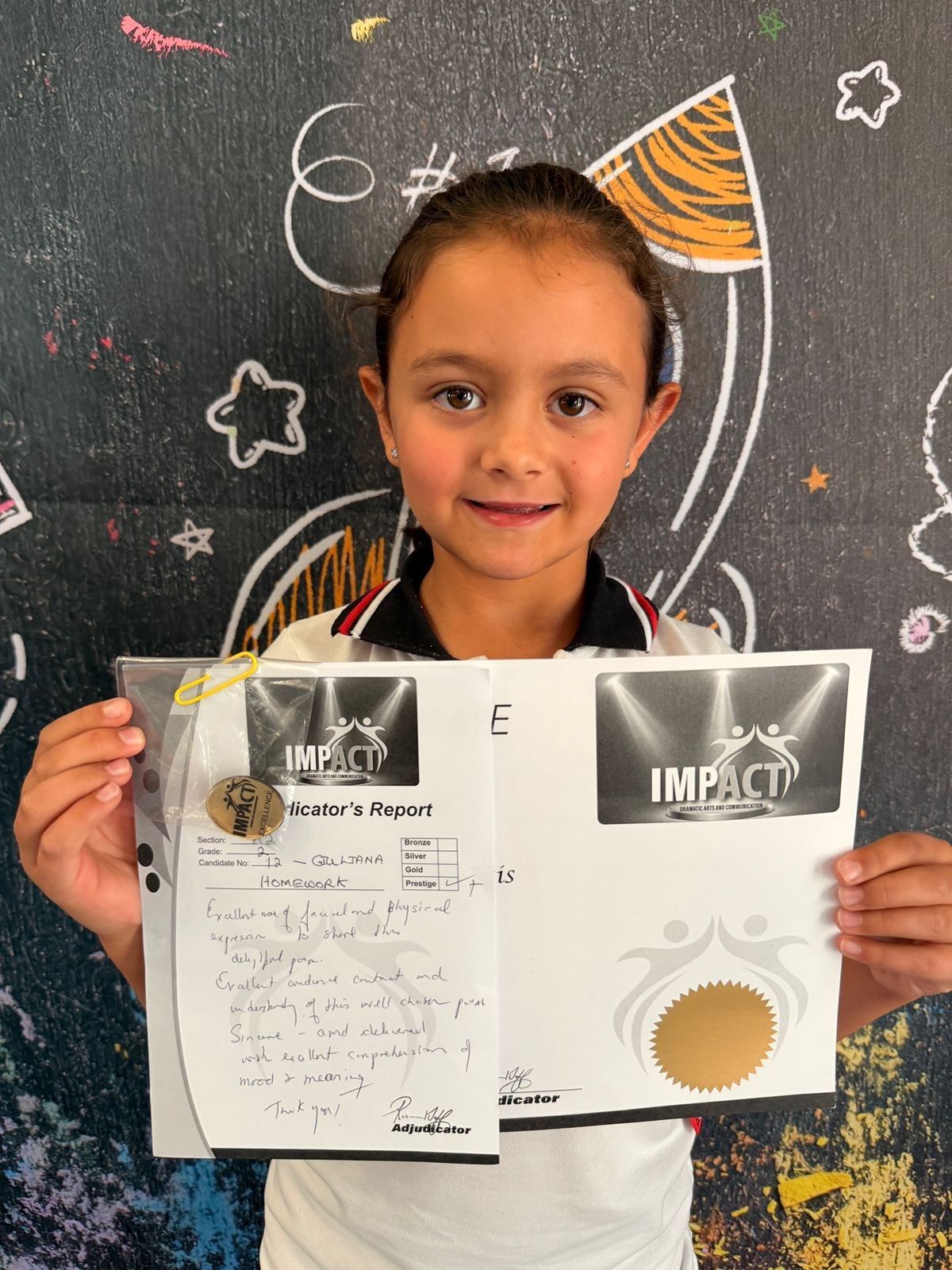
A special well done to Giuliana in Grade 2, who bravely performed her Impact poem and received a Prestige Award for her wonderful effort and confidence. 


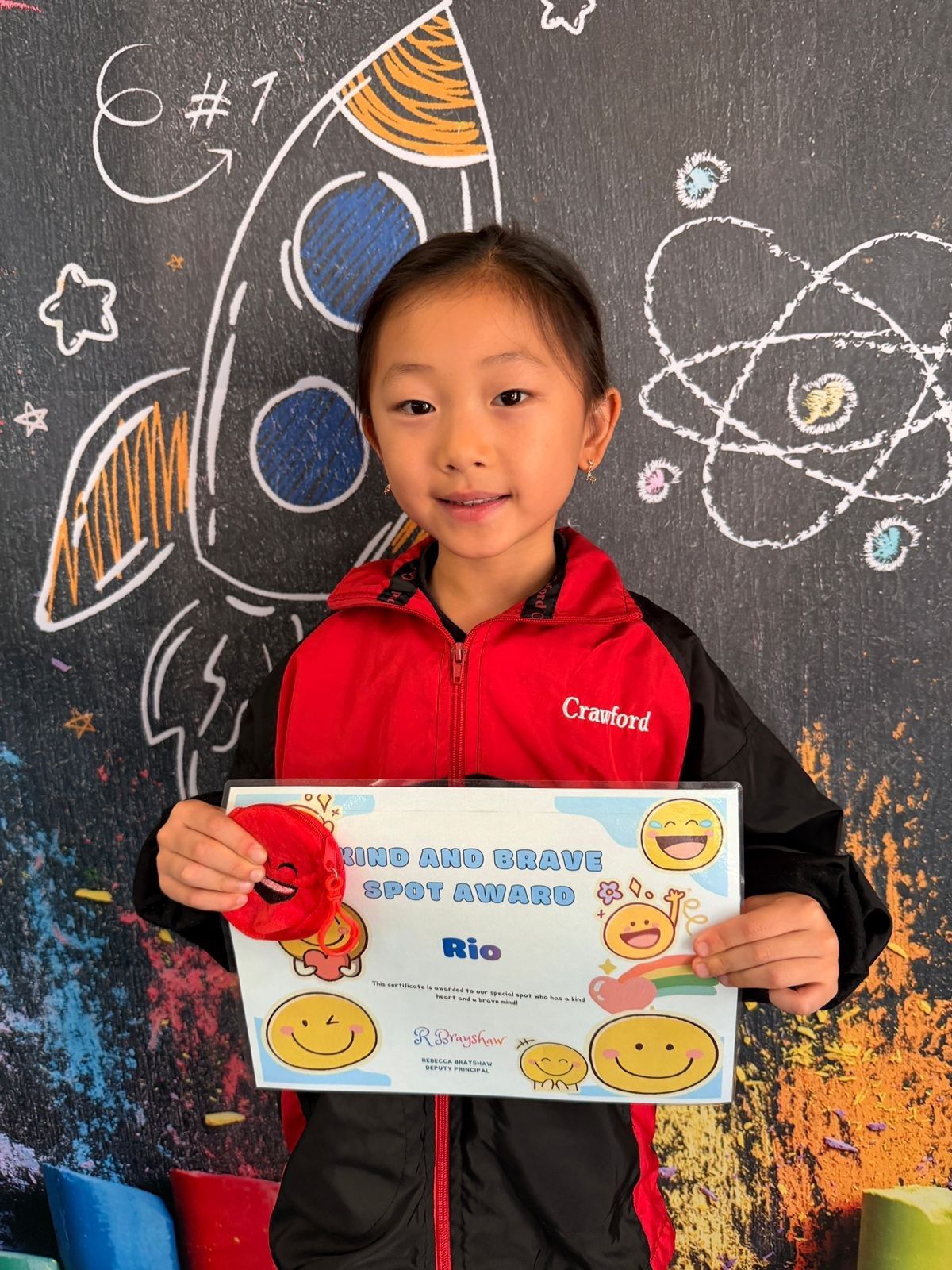
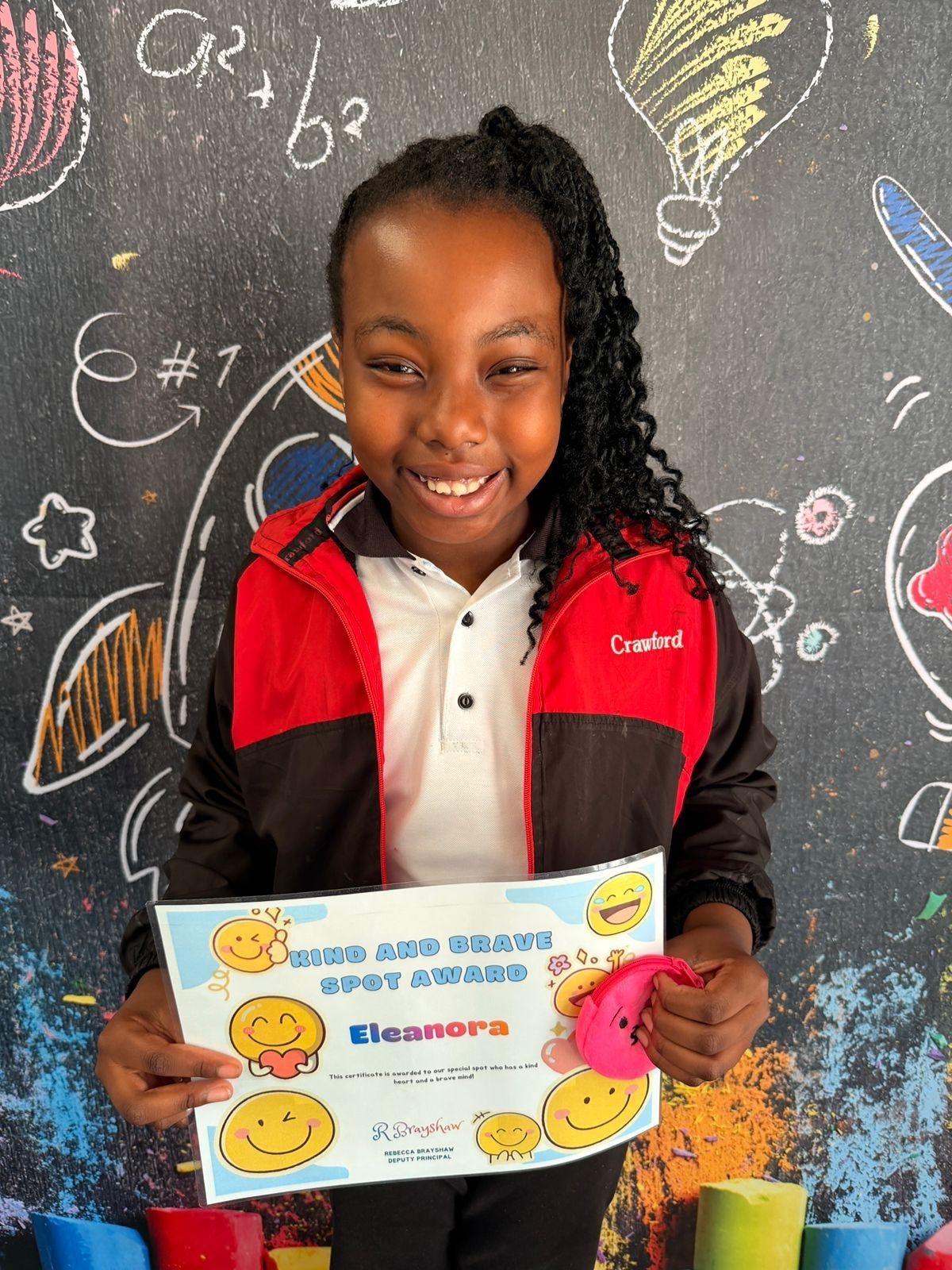
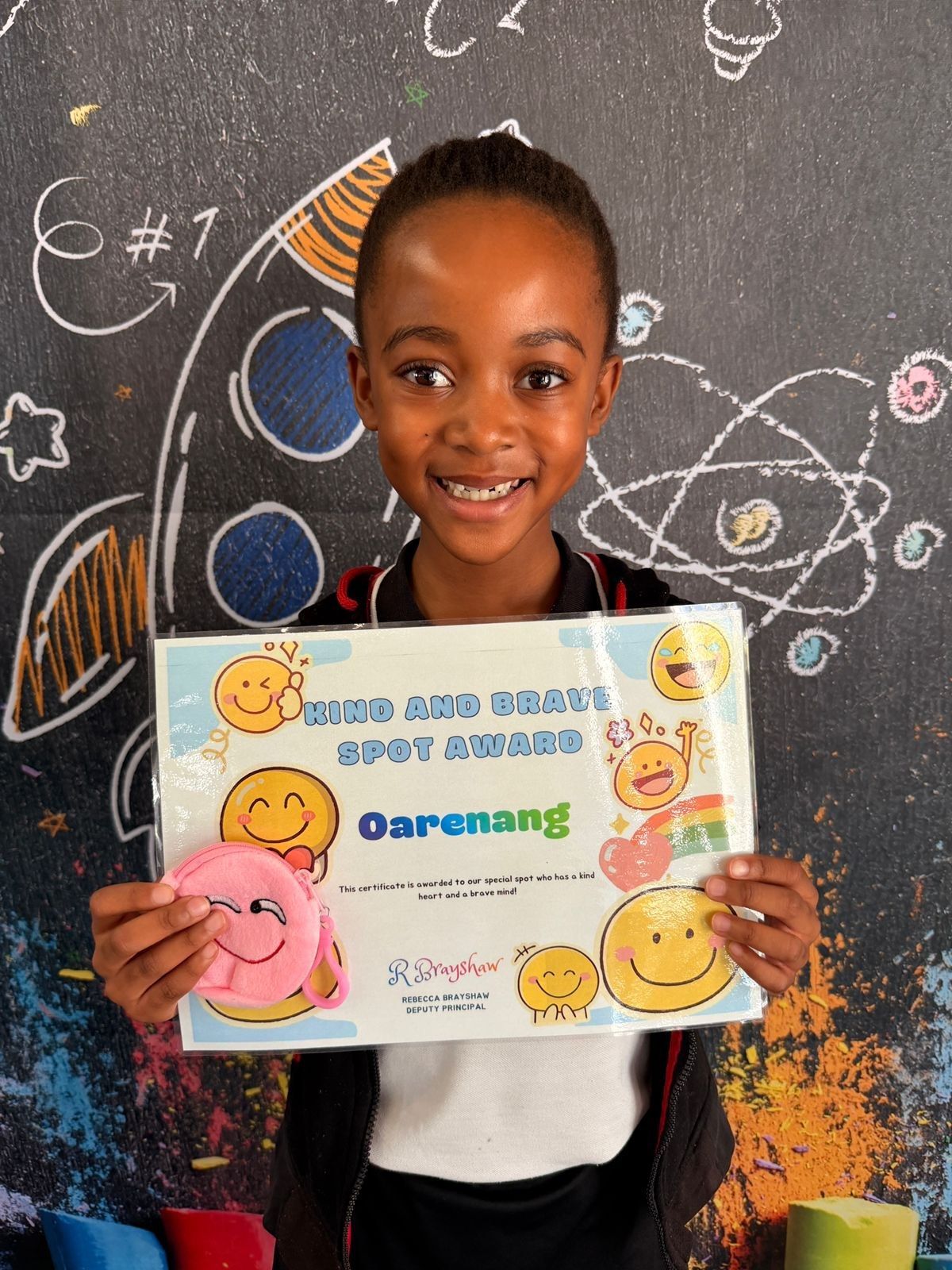
We also celebrated our Kind and Brave Spot Awards recipients: 

  • Rio – Grade 1 
  • Eleanora – Grade 2 
  • Oarenang – Grade 3 


Well-done to all our learners who presented and participated. We are so proud of the courage, creativity and kindness shown by our Foundation Phase. 
College   

Derby Day Showcases Sport and Community Spirit 


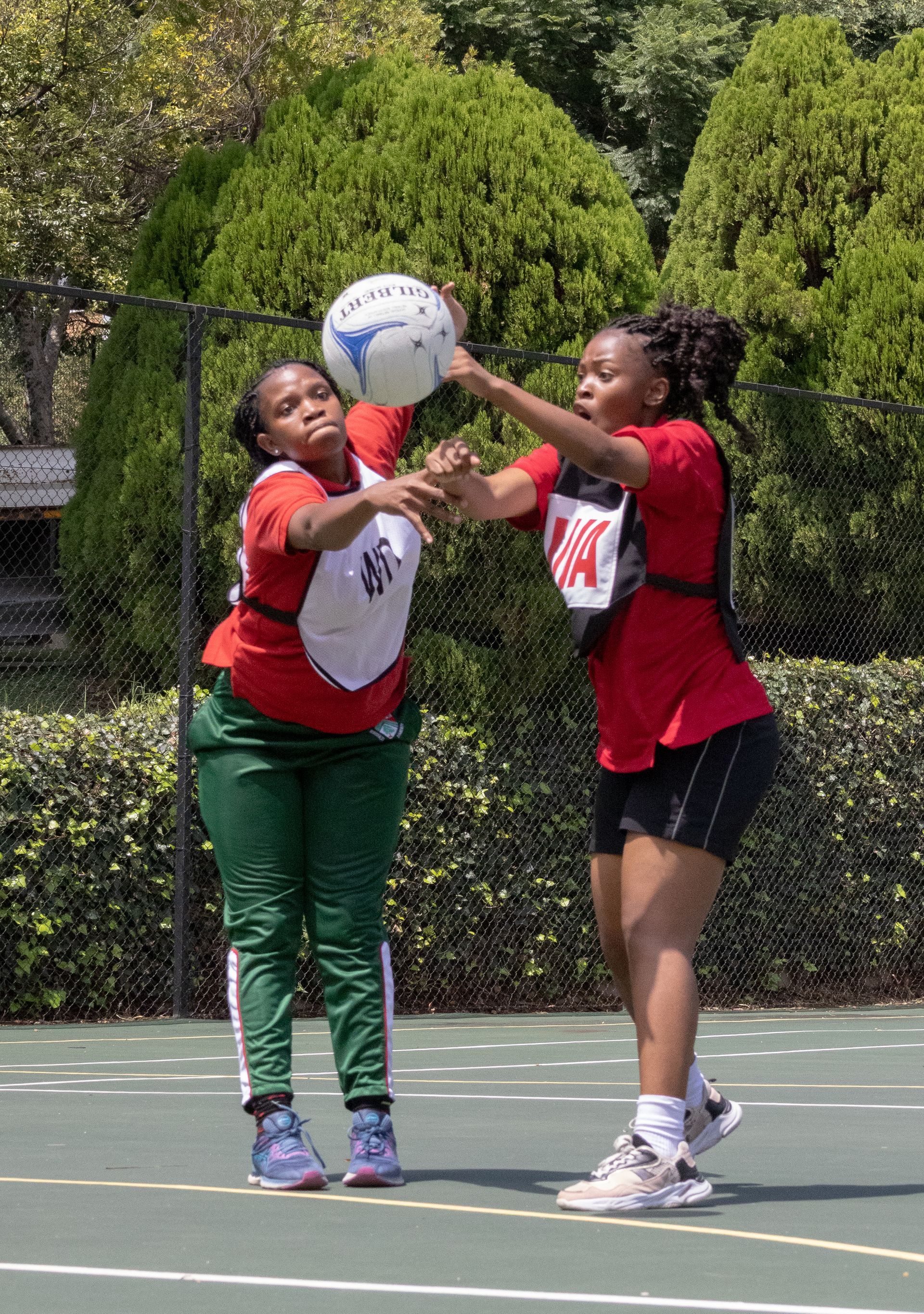
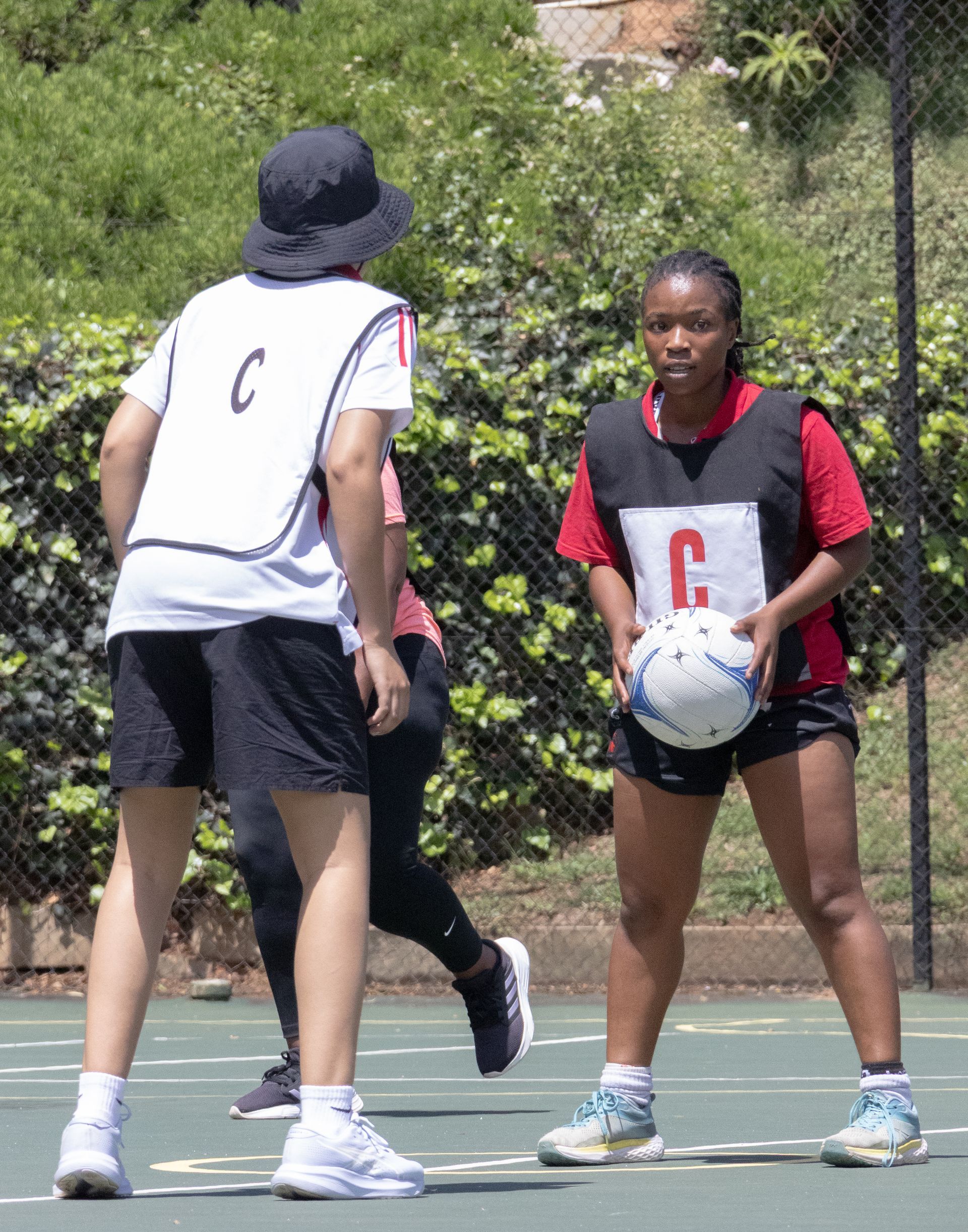
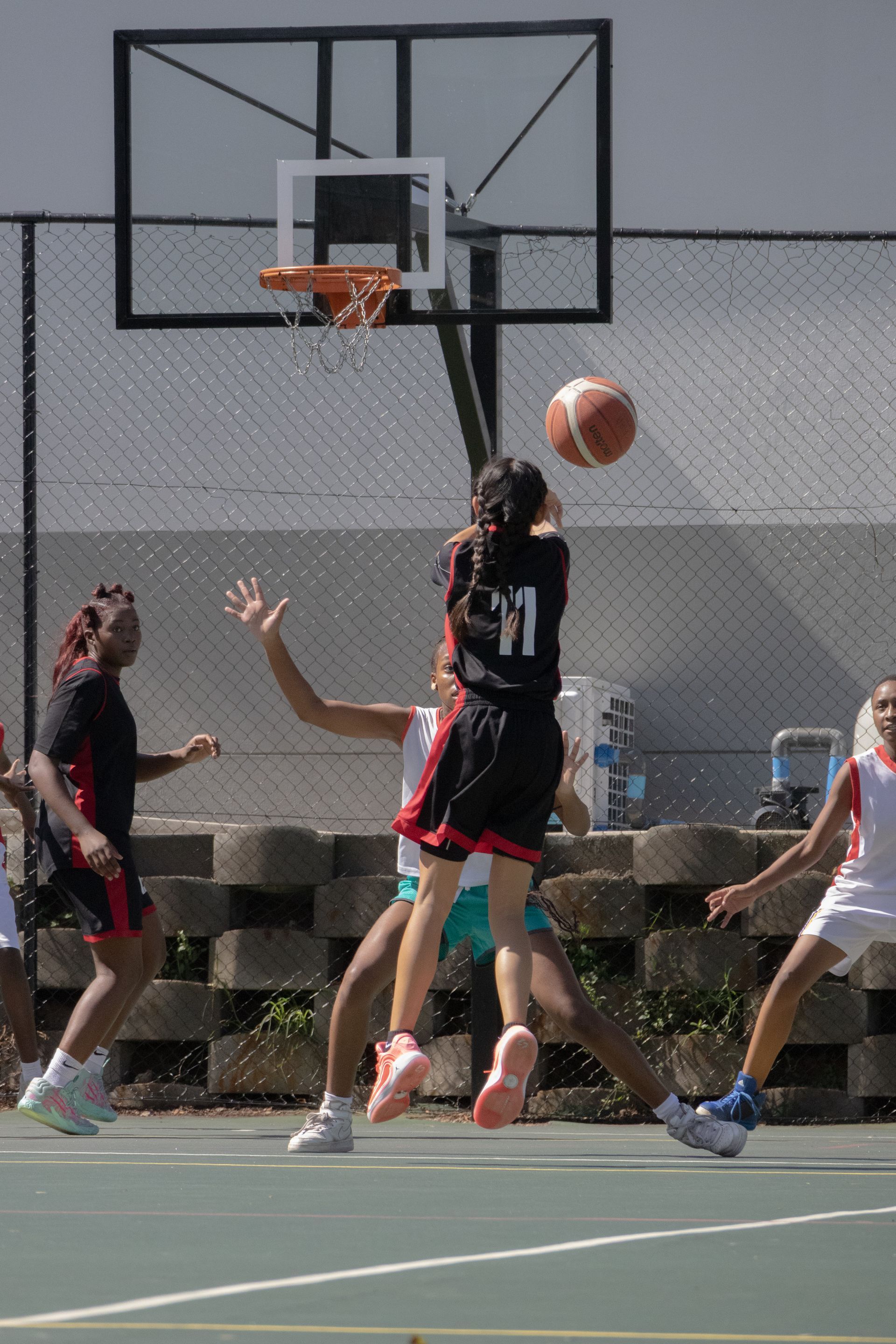
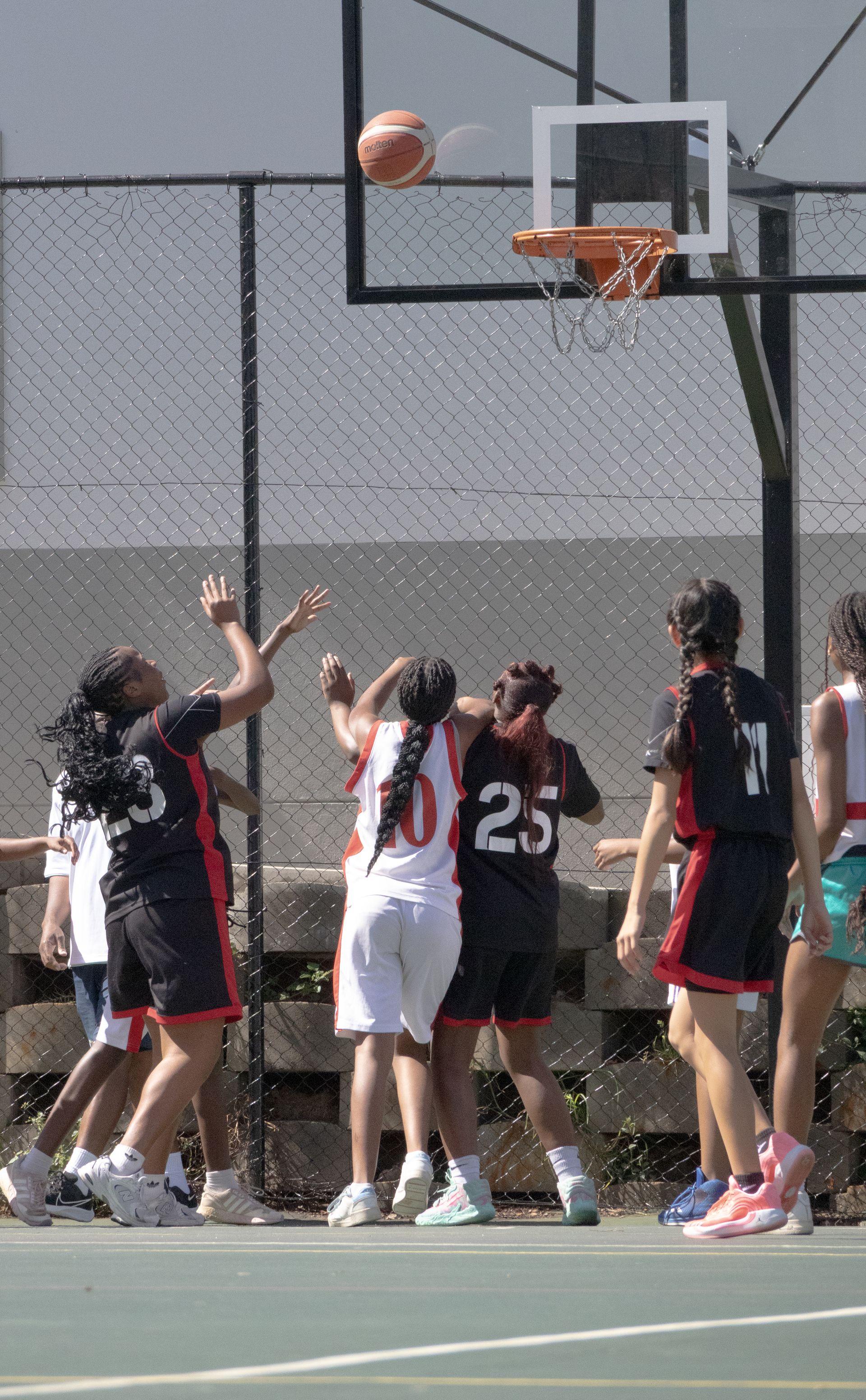
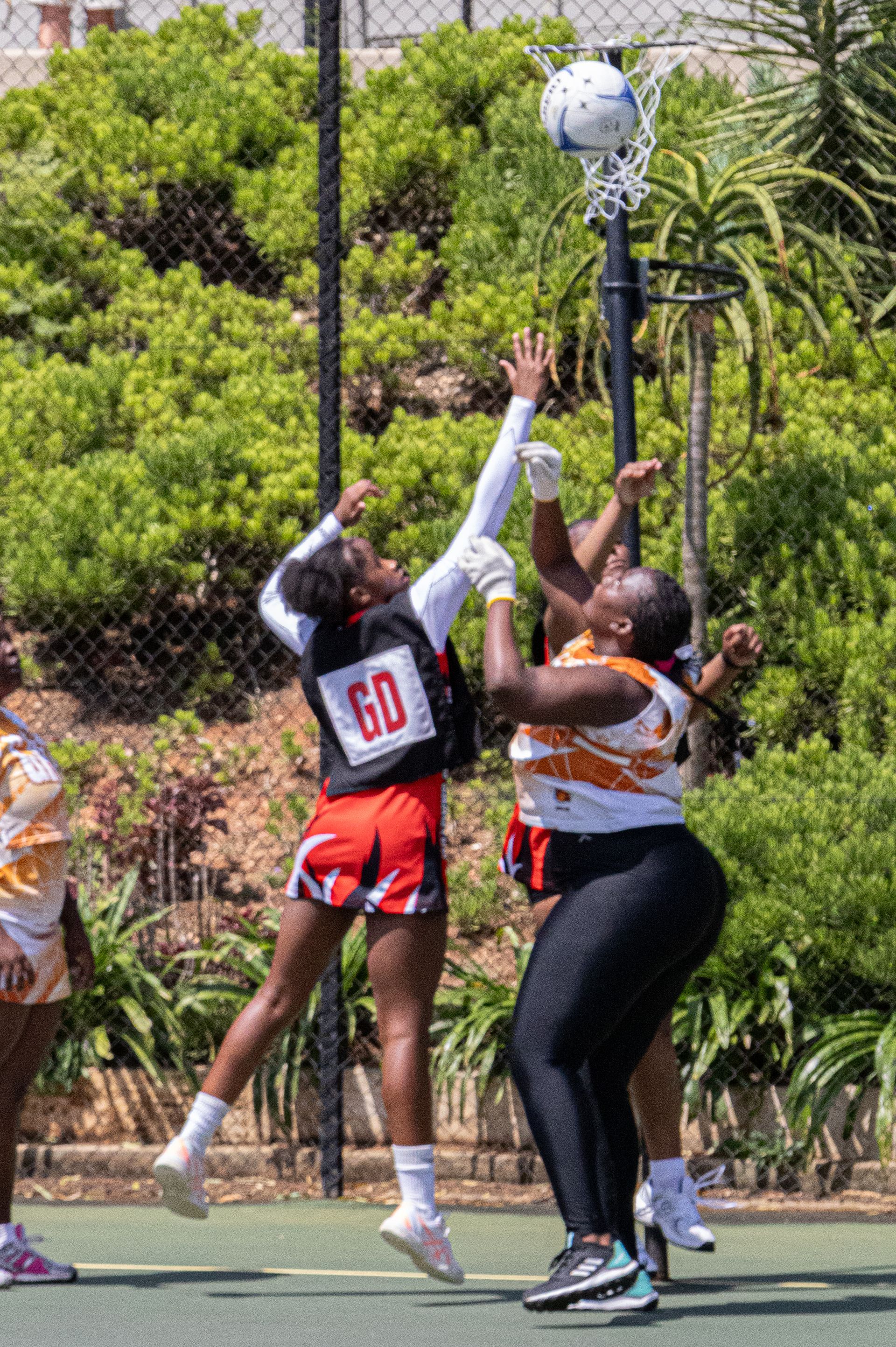
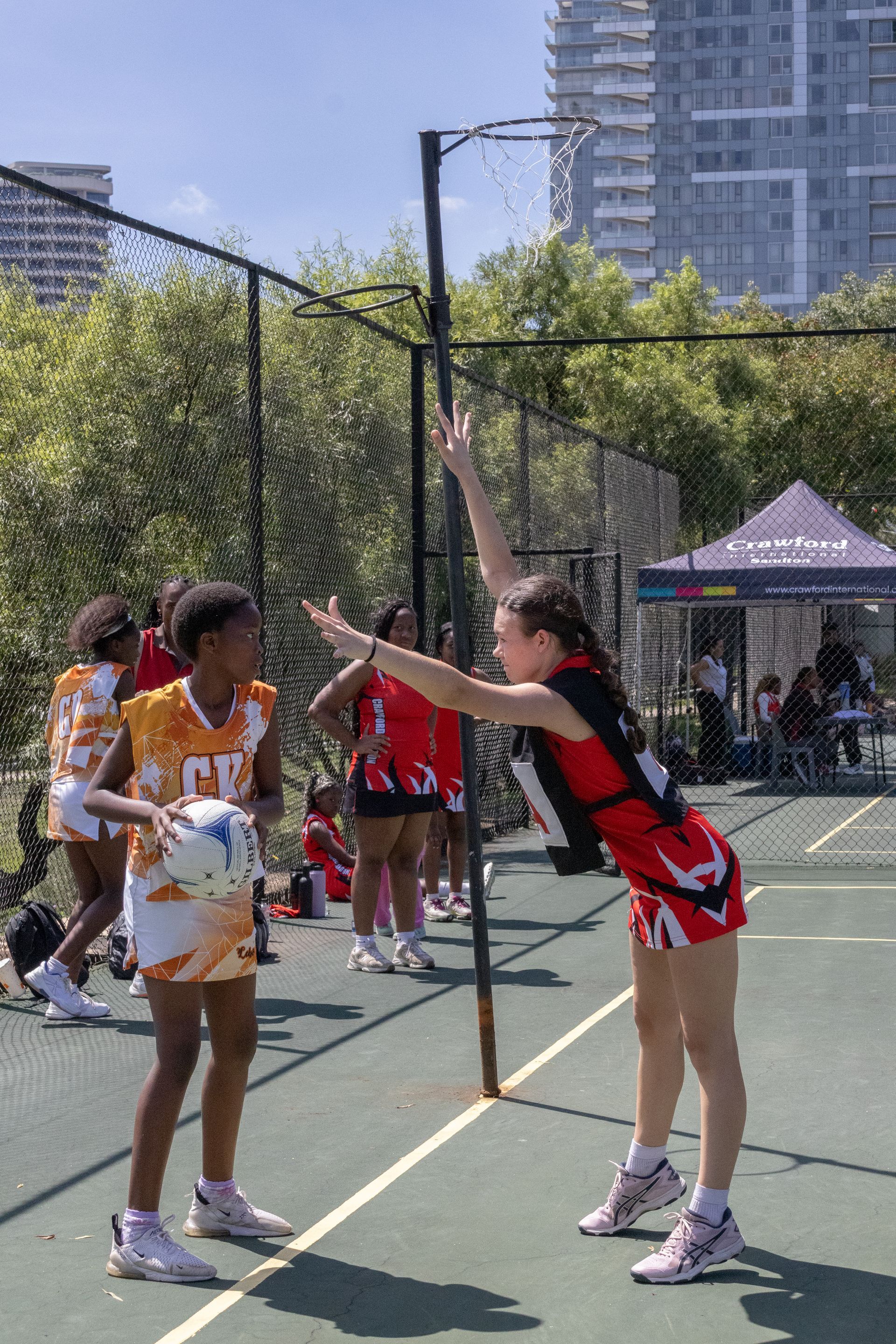
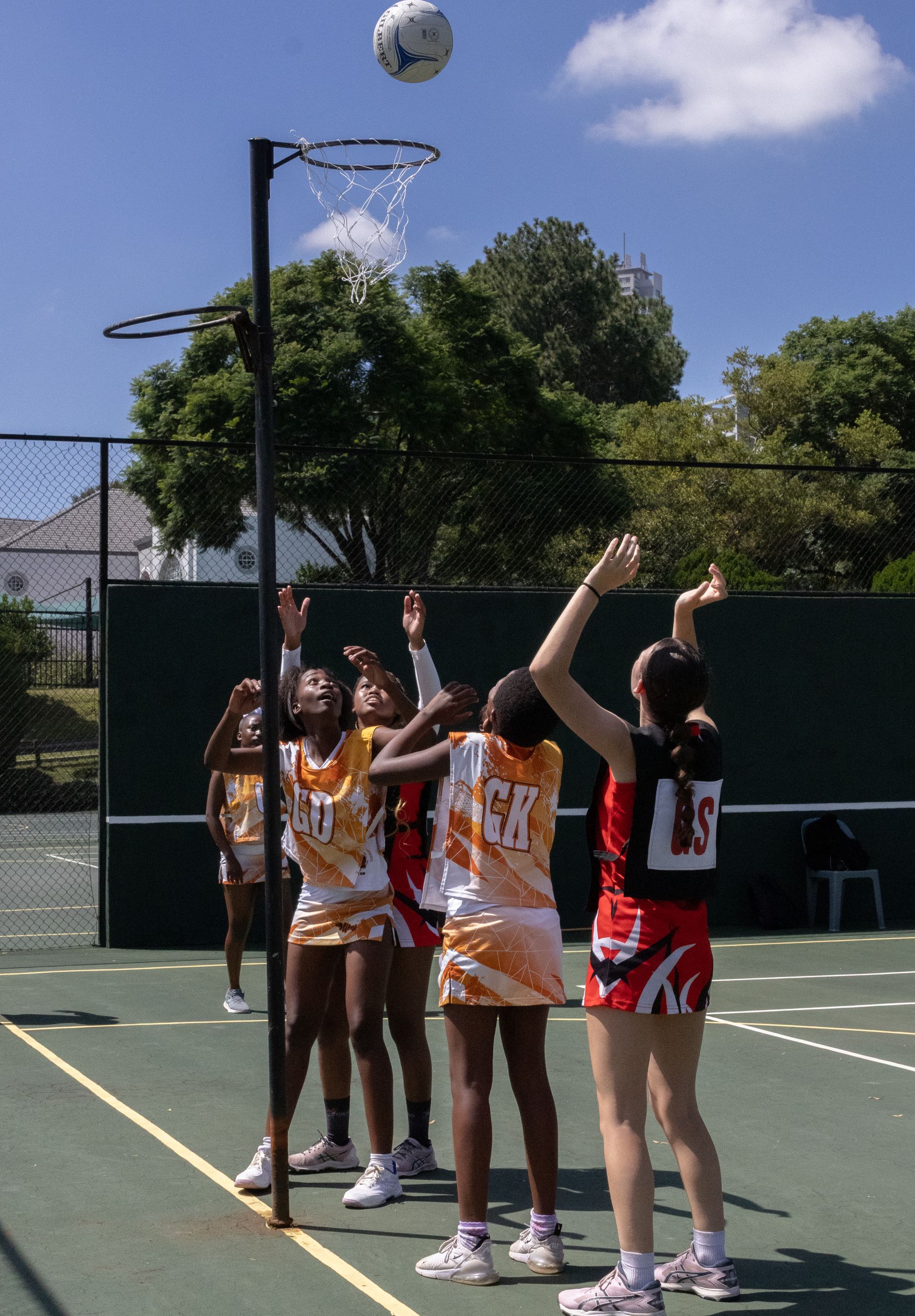
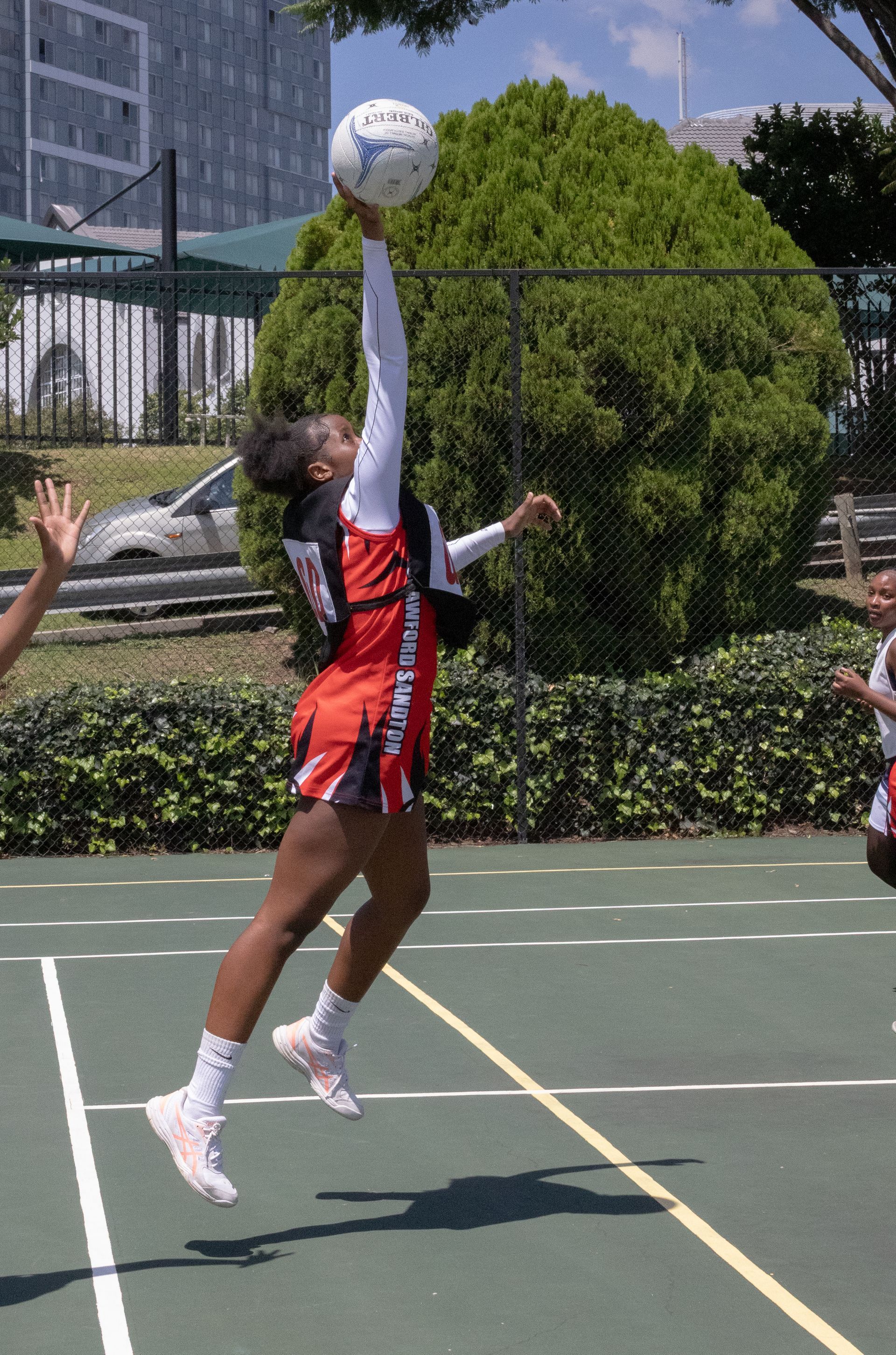
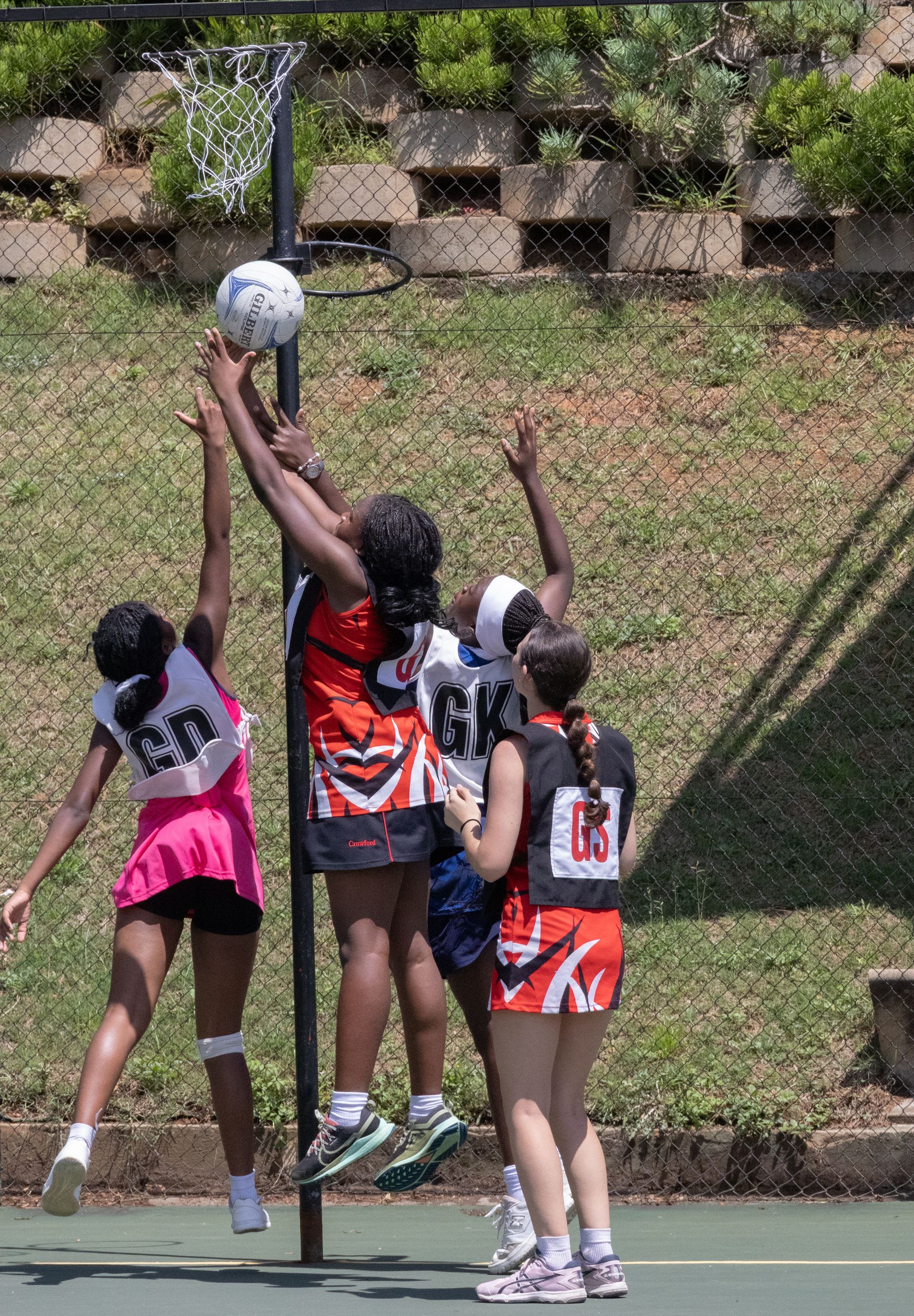
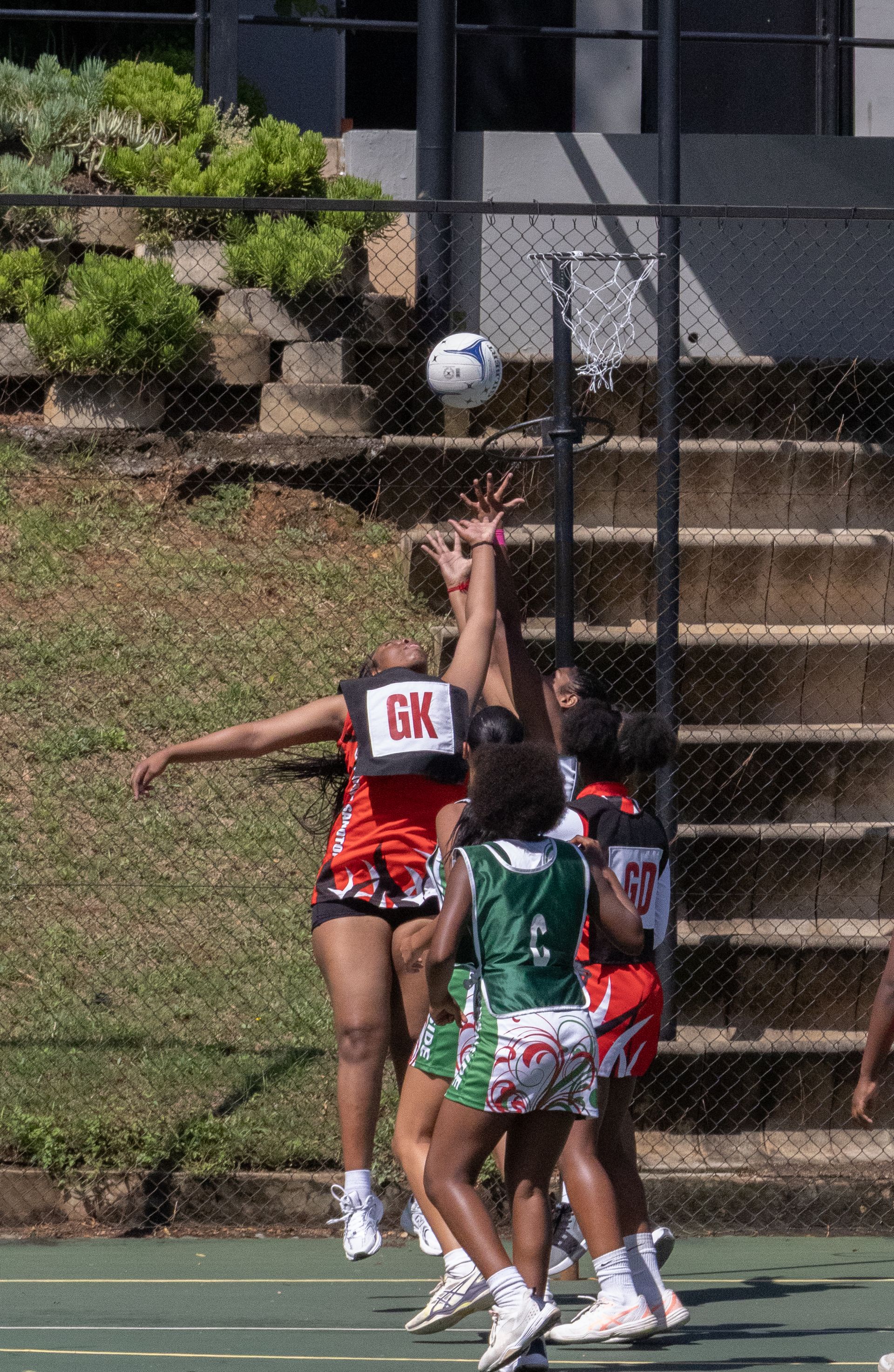
Crawford International Sandton hosted an exciting Derby Day on Saturday, 7 March, welcoming several visiting schools for a day of competitive sport. Netball and basketball matches provided plenty of action, with teams displaying impressive skill, determination, and sportsmanship throughout the day. 


Unfortunately, the scheduled soccer fixtures had to be cancelled due to waterlogged fields following the heavy rain. Despite this setback, the atmosphere remained vibrant as players, supporters, and staff continued to enjoy the day’s events. 

A special highlight was the participation of parents, who joined staff and coaches in friendly matches, adding a fun and inclusive element to the occasion. 


Crawford International Sandton extends its thanks to all participating schools, parents, and supporters, and looks forward to hosting many more events that celebrate sport and community spirit. 

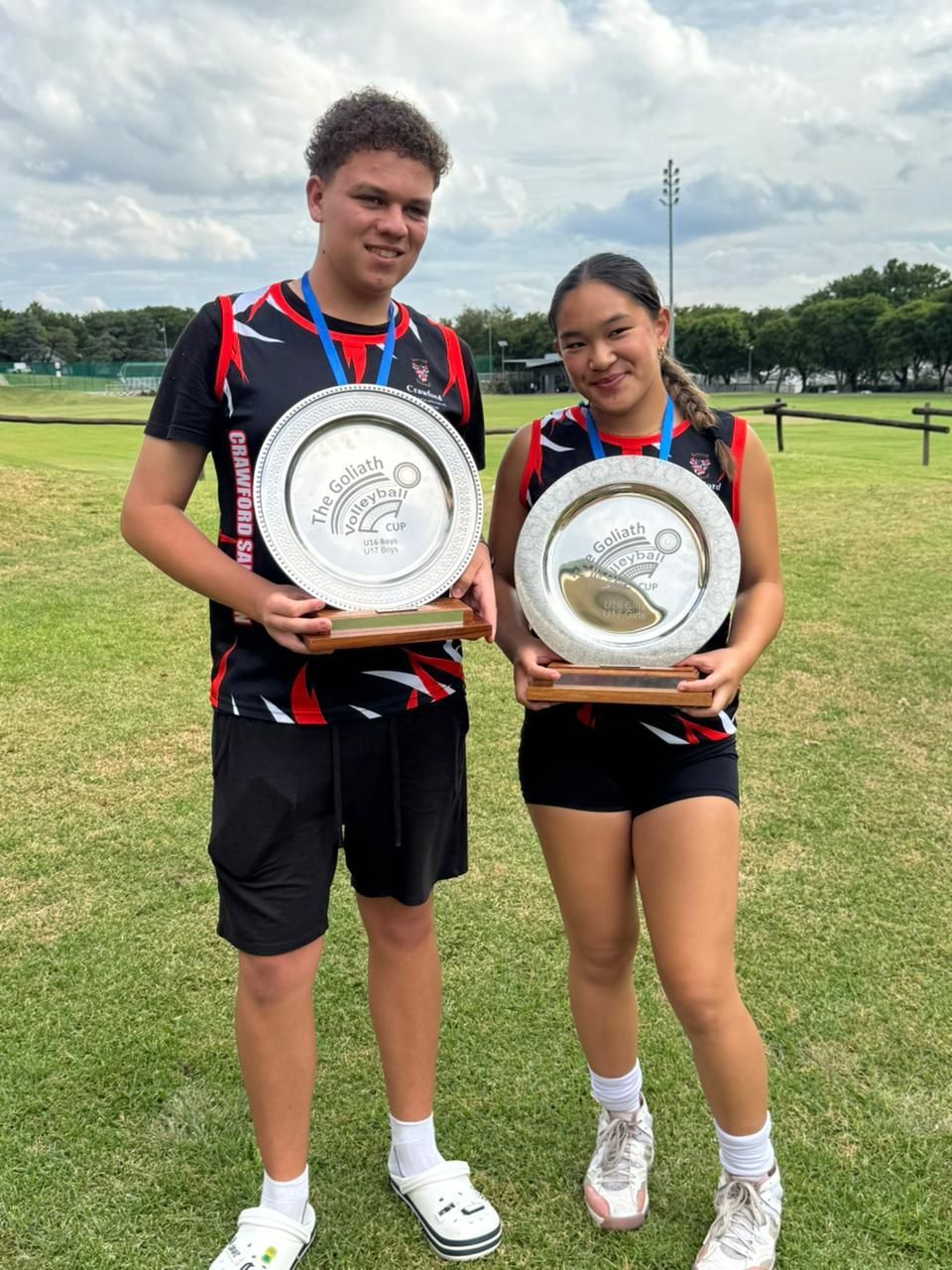
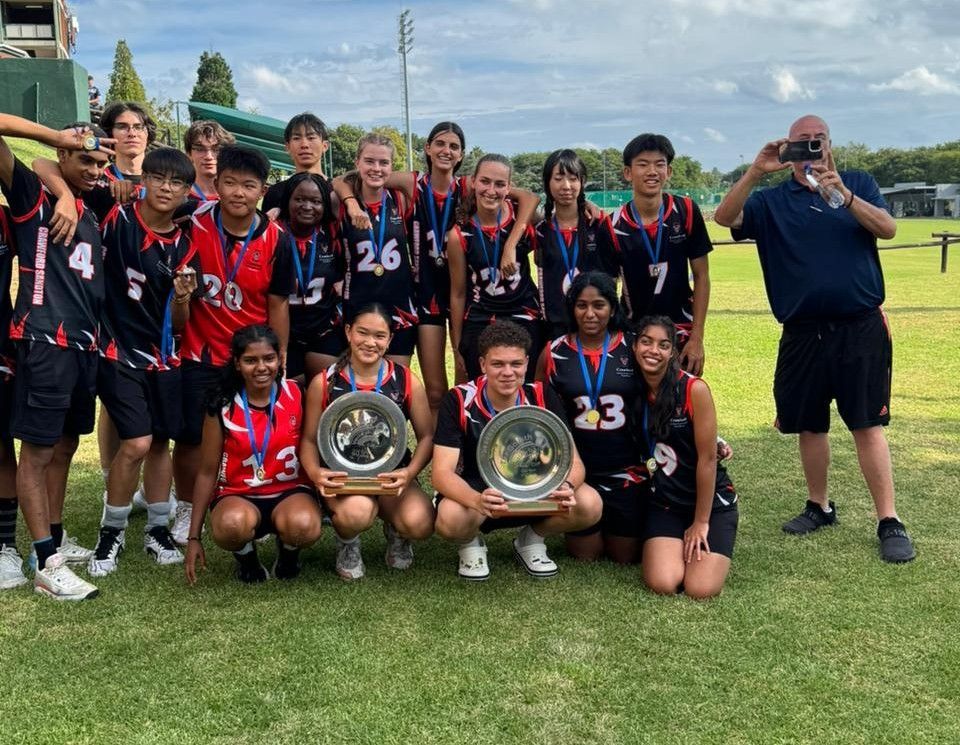
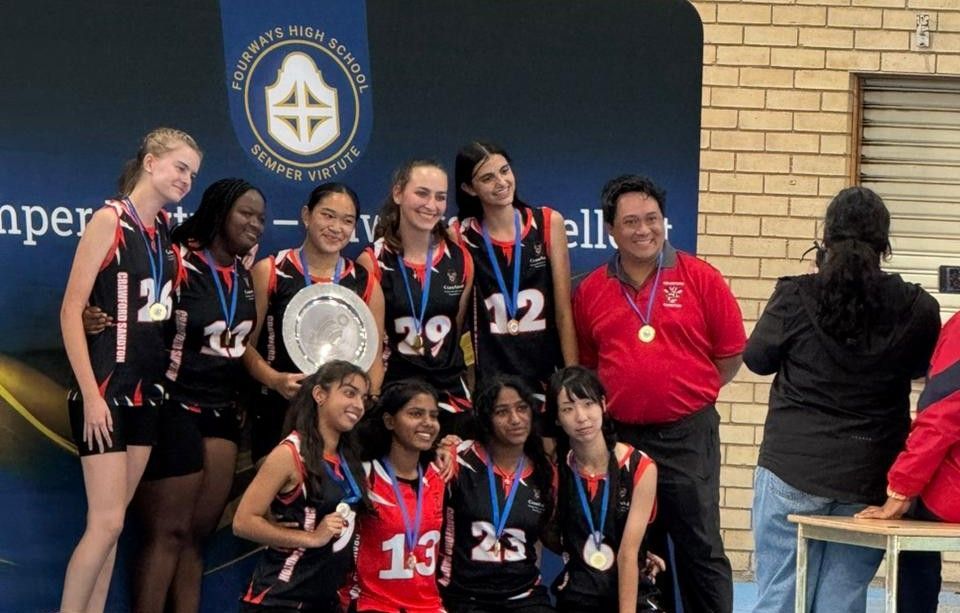
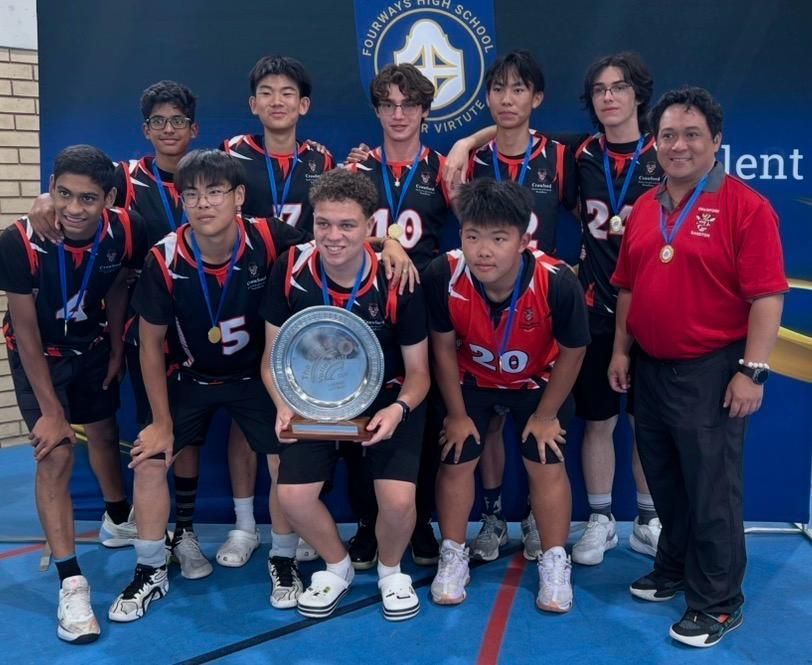
Crawford Sandton U17 Volleyball Boys and Girls Lift Champion Cup 


On Sunday,1st March marked the conclusion of the Goliath Tournament, bringing to a close a competitive and rewarding chapter for Crawford Volleyball.


The Cubs (U15 Girls) faced a tough semi-final against Deutsche Internationale Schule Johannesburg and despite a determined effort, were unable to secure the win. They pushed their third place playoff to three sets before narrowly going down 2-1, finishing fourth in their league. While not the ending they hoped for, the growth and determination this team showed throughout the tournament were clear, and there is great promise ahead for this group.


The Phoenix (U17 Girls) entered their semi-final focused and composed, earning a convincing victory to progress to the final. There they delivered solid, intelligent volleyball under pressure to secure a 2-0 win and claim the gold medal. A fitting reward for the dedication they invested throughout the season.


The Clovers (U17 Boys) were equally impressive, defeating DSJ 2-0 in their semi-final before producing a truly memorable final. Trailing 13-8 in the deciding set, they responded with resilience and determination, fighting back point by point to clinch the set 17-15 and win the match 2-1. An extraordinary comeback and a remarkable way to conclude the tournament.


Overall, it was a proud moment for Crawford. The teams displayed exceptional skill, resilience and sportsmanship throughout, and this tournament stands as further evidence of how far the volleyball programme has come. 

CSI Initiative 
Making a Meaningful Difference: Visit to Uitsig en Toekoms Girls Home


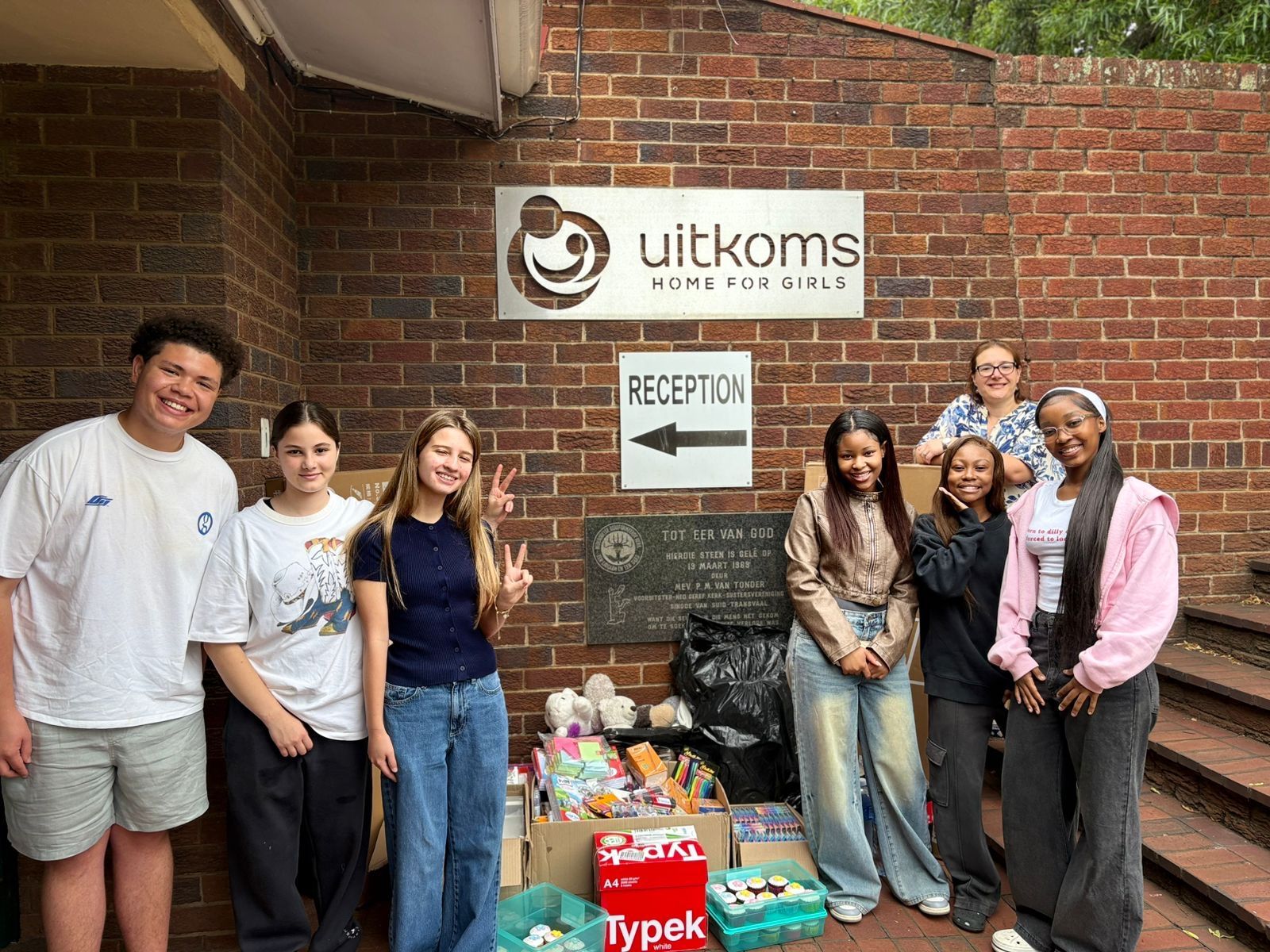
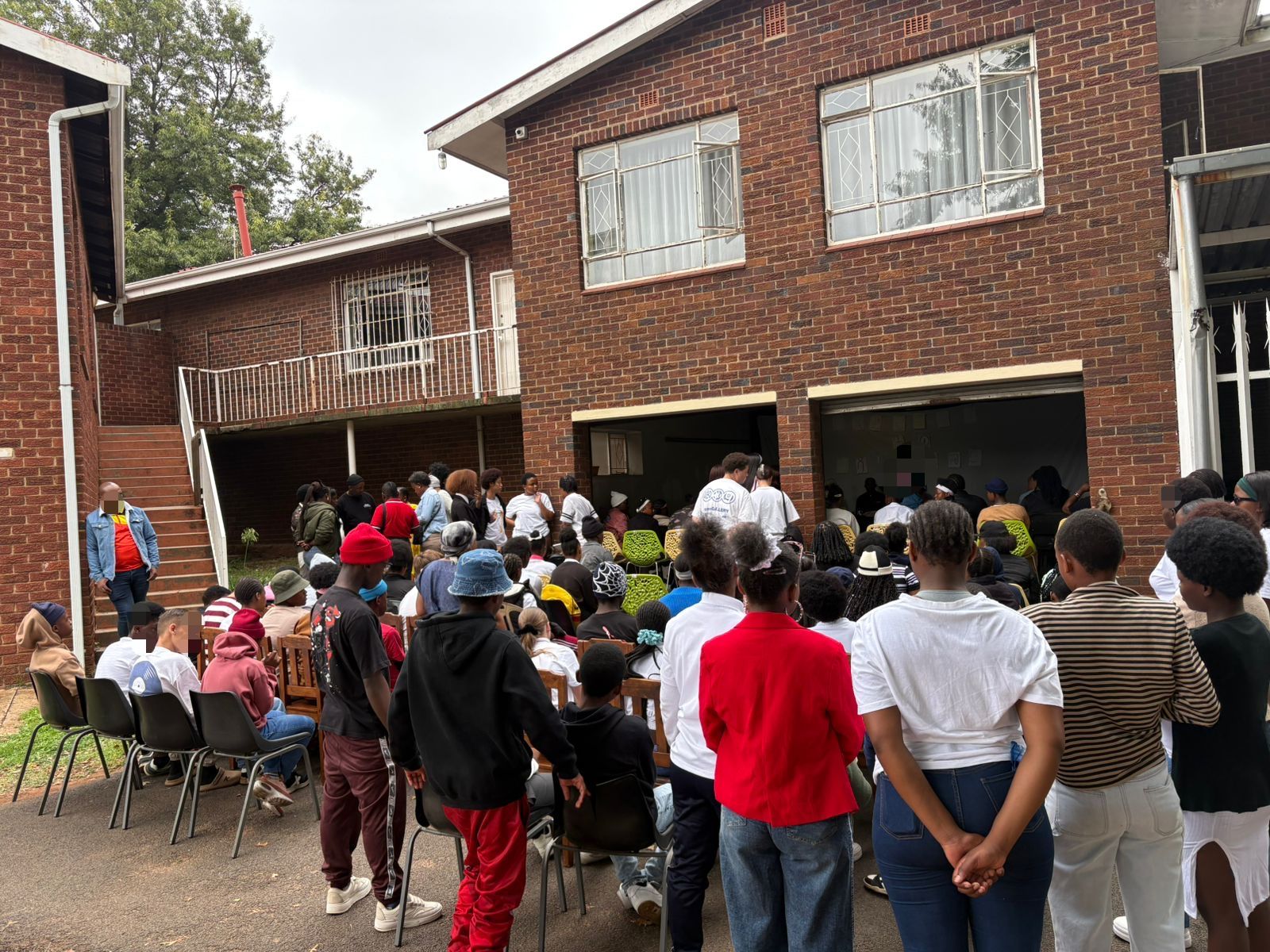
On Saturday, 21 February, members of the Humanities Board and the Random Acts of Kindness Board visited Uitsig en Toekoms (UITKOMS) Girls Home for a morning of connection and giving back.


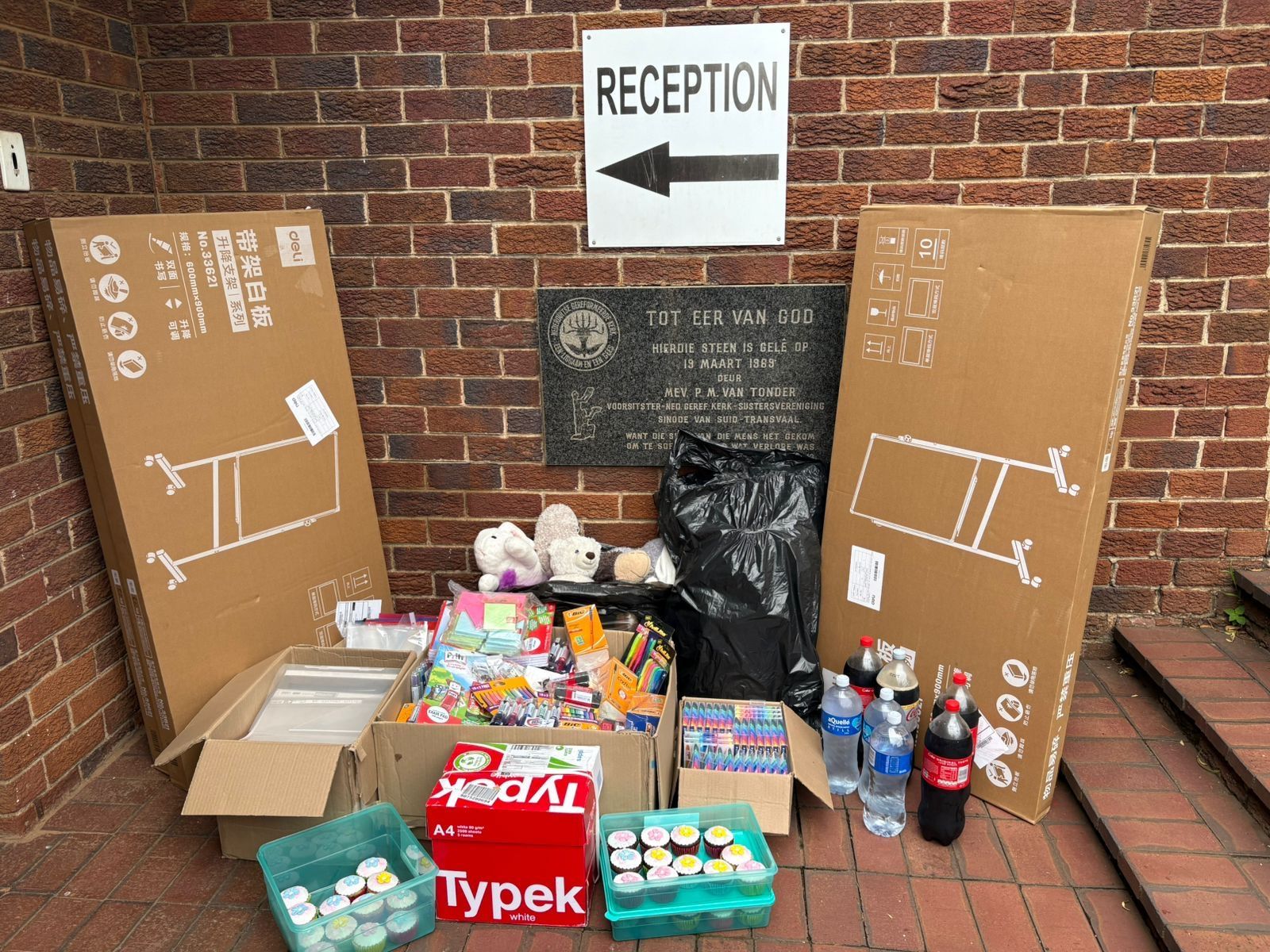
Thanks to the generosity of Ms Tredoux and our parent community, donations of stationery, cold drinks, water and whiteboards were delivered and warmly received. These contributions will support the girls in their daily activities and schooling.


During the visit, the group had the opportunity to spend time with the girls and gain insight into life at the home. A highlight was sitting in on a debating session, where the girls confidently shared their ideas and engaged in thoughtful discussion with students from other homes. Their enthusiasm, teamwork and self-assurance were truly inspiring to witness.


We look forward to continuing our work with UITKOMS and building stronger connections throughout the year, and we sincerely appreciate the ongoing support of our parent community.
April 17, 2026
A practical guide for parents comparing private schools Choosing a private school for your child is one of the most significant decisions you will make as a parent. The options across South Africa are wide and growing. From long-established independent schools in Sandton and Pretoria to newer campuses stretching down the KwaZulu-Natal North Coast, the private school sector now serves well over 500 000 students nationally (Independent Schools Association of Southern Africa, 2024). But more choice does not always make the decision easier. It can mean more noise, more open days plus more conflicting advice from well-meaning friends. This guide is designed to cut through that. It gives you a structured, honest framework for evaluating any private school in South Africa, so that when you make your choice, you make it with your eyes open. Work through each section below, then use the printable checklist at the end when you visit schools in person. What Should You Know Before You Start Looking at Schools? The biggest mistake parents make is jumping straight to school websites before sitting down to figure out what matters most to their own family. A school that is perfect for your neighbour's child may be completely wrong for yours. Start with your child, not the school's reputation Think carefully about how your child learns. Do they thrive in a structured, high-pressure environment? Or do they need a more nurturing setting with room to explore? Some students flourish in large schools with a wide variety of peers and resources. Others do better in smaller communities where every teacher knows their name. Consider any specific learning needs early. If your child has been identified with dyslexia, ADHD, or any other learning difference, confirm upfront that the schools on your shortlist have the resources and trained teaching staff to support them properly. Not all private schools do, regardless of what their brochure implies. How do you set a realistic private school budget? Private school fees in South Africa vary considerably. Day school fees at well-known Gauteng independents range from roughly R90 000 to over R200 000 per year and that figure does not always include uniforms, textbooks, extracurricular activities, or school trips (MySchoolFees, 2025). Boarding school fees in KwaZulu-Natal can add another R80 000 to R130 000 annually on top of tuition. Decide on your ceiling before you fall in love with a school that sits well above it. A school that raises fees by 12 percent every year will look very different on your budget in 3-4 years . What Is the Difference Between IEB, Cambridge, and CAPS? South Africa's private school sector offers more curriculum options than most parents realise. Understanding the differences is important, particularly if your family might relocate internationally or your child has ambitions to study abroad. The Independent Examinations Board (IEB) is a South African assessment body that sets and marks matric examinations for independent schools. IEB schools follow a curriculum aligned to South Africa's national outcomes but assessed to a higher standard of moderation. IEB matric results are widely respected by South African universities, abroad and IEB candidates consistently outperform national averages on university entrance scores (Independent Examinations Board, 2023). The Cambridge International curriculum is offered by a smaller number of South African schools through IGCSE and A-Level qualifications. It is well recognised globally and suits families who anticipate an international move or want university options in the UK, Australia, or North America. The Curriculum and Assessment Policy Statement (CAPS) is the national curriculum followed by schools. A CAPS school that is also a member of the Independent Schools Association of Southern Africa (ISASA) may offer superior facilities and smaller class sizes while still following the national matric path. The International Baccalaureate (IB) Primary Years Programme (PYP) is offered at the preparatory level by a number of South African independent schools, including IB World Schools. The IB PYP uses inquiry-based learning to develop internationally minded students. Some schools combine IB PYP in the preparatory phase with IEB matric in the college phase, giving students a globally aligned foundation while retaining access to South African university pathways. Which curriculum is right for your child? There is no single correct answer; If your child is likely to apply to South African universities and you value academic rigour within a local context, an IEB school is a strong choice. If international university applications are a priority, Cambridge or the IB Diploma Programme may be worth exploring. If you are comparing schools where one is IEB and one is CAPS, look beyond the curriculum label to the quality of teaching, the school's academic results and the learning environment. How Do You Evaluate a School's Culture and Values? This is the factor parents most often underestimate and the one they most frequently mention when explaining why they later moved their child to a different school. A school's culture is not something you will find in its prospectus. You have to go and feel it, use opportunities such as spend the day that Crawford International offers to prospective parents and students. What should you actually be looking for on a campus visit? Observe how students move around the school. Are they engaged and at ease, or do they seem anxious and hurried? Watch how teachers interact with students in the corridors and common areas, not just in the classroom you are shown. Notice whether the spaces look genuinely used or merely presented. Every school will tell you they value academic excellence, character development and the whole child. What you want to know is which of those things takes priority when there is a conflict. Schools that talk loudly about wellbeing but push students relentlessly from Grade 4 onwards are telling you something about what they actually prioritise. How does the school's religious or values orientation affect students? Many of South Africa's leading private schools have a religious foundation. For families who share that faith tradition, this can be a significant positive. For families who do not, it is worth exploring how the school's religious ethos plays out in practice; in assembly, in the pastoral programme and in how discipline is framed. There is a wide spectrum between a school that marks its heritage through occasional chapel and one where faith is woven through every element of school life. What does diversity and inclusion look like in practice? South Africa's social reality makes diversity a particularly meaningful factor for many families. Ask how the school approaches conversations about South African history and identity. A school that sidesteps these conversations entirely is not preparing students well for the country they will live and work in. Through their Respect, Diversity & Inclusion programme, Crawford International is one example of a school where these values are embedded across phases, giving parents a tangible sense of what that commitment looks like in practice. What Should You Look for in a School's Facilities and Extracurricular Programme? Private school fees, at their best, provide a richer educational experience than the classroom alone. Whether that matters to your family depends on your child and your values, but it is worth knowing exactly what is on offer before you sign Which facilities actually matter for learning? Good facilities are about function, not just impressiveness. A well-resourced science laboratory, a library with current titles and reliable technology infrastructure matter in ways a beautiful entrance atrium does not. When you visit, look at how the spaces are actually being used, not just what they look like on a guided tour. For boarding schools specifically, visit the boarding houses and talk to house-parents if you can. Ask about the staff-to-student ratio in the residence, weekend activities, and how the school manages homesickness, particularly in the early weeks of Grade 8. A school confident in its boarding offering will welcome those visits openly. Crawford North Coast does exactly that, operating an every-day-is-open-day policy and offering termly boarding so families can see for themselves how students are settled, supported and cared for. How do extracurricular programmes benefit students? Ask whether participation in sport and extracurriculars is compulsory or voluntary. Ask what the experience is like for the student who is not sporty in a school with a strong rugby culture. The answer will tell you a great deal about whether that environment is the right fit for your child. How Do You Assess Teaching Quality and Learning Support? The quality of teaching is the single greatest factor in whether a student thrives at school (Hattie, 2009). It is also one of the hardest things to assess from the outside. Here is what to look for. What does good teacher stability look like? A school that loses a significant proportion of its teachers each year has a problem, whether in management, salary packages or culture. Continuity matters enormously for students, particularly those who find it harder to build new relationships quickly. Ask about the qualifications and ongoing professional development of the teaching staff. Good schools invest in their teachers not just at the point of hiring but throughout their careers. Ask what professional development looked like in the last 12 months. Does class size affect academic outcomes? Smaller class sizes are one of the things parents most commonly cite when justifying private school fees. The evidence on class size and academic outcomes is more nuanced than the marketing suggests, but smaller classes do allow for more individualised attention from teachers, which matters more for some students than others (Blatchford et al., 2011). Ask for average class sizes across year groups, not just the figure for a flagship year or subject. What learning support should a private school offer? Ask specifically what learning support the school provides. Is there a dedicated learning support department? What qualifications do the staff hold? Is additional support included in the fees or billed separately? For parents of students with identified learning needs, this conversation should happen before you fall in love with a campus. How do you assess whether a school is financially sound? Ask about the school's fee increase policy and whether the governing body approves increases transparently. Ask whether the school has experienced financial difficulty in the last five years. Independent schools in South Africa are not immune to financial pressure and a school cutting corners on maintenance or staffing will show signs of it if you know what to look for. Are bursaries and scholarships available at private schools in South Africa? Many of South Africa's leading private schools offer merit-based or need-based bursaries that can significantly reduce the cost of attendance. These are rarely advertised prominently. Ask directly. If your child is academically strong, athletically gifted, or musically talented, it is worth exploring what is available before you assume a school is out of reach. Bursary applications typically require early engagement, often 12 to 18 months before the intended start date. When Should You Apply to a Private School, and What Does the Process Involve? South Africa's most sought-after private schools fill their places well in advance. In Gauteng, waiting lists at schools in the Sandton, Bryanston, and Pretoria East corridors can run to several years for popular entry grades. In KwaZulu-Natal, demand for well-located schools along the North Coast has grown sharply as the region attracts more permanent residents. When is the right time to apply? The practical answer is, earlier than you think. Many schools begin accepting applications for Grade 1 when a child is still in the early years of pre-school. For Grade 8 entry, parents typically need to apply during Grade 6 or early Grade 7 at the latest. Missing these windows does not mean missing out entirely, but it narrows your options and often places you on a waiting list rather than a confirmed spot. What does the admission process typically involve? Most independent schools in South Africa require the following as part of their admission process: A completed application form with supporting documentation An entrance assessment, academic and sometimes psychometric An interview with the student, and sometimes the parents Recent school reports and a reference from the current school Fee payer credit checks The entrance assessment at most schools is not a simple pass-or-fail exercise. It is used to understand the student, confirm the school can meet their needs, and identify any areas where early support will be useful. What questions should you ask during the admission process? What is the typical timeline from application to notification of outcome? Is there a waiting list and if so, how is it managed? What entry requirements or prerequisites apply to Grade 8 or Grade 10? What documentation is required, and by when? The 2026 Private School Checklist Use this checklist when visiting and comparing schools. Print it out and complete one per school. No single item makes or breaks a decision, but consistent gaps and hesitations across a checklist will point you in the right direction.
March 27, 2026
Meet Natasha Pillay: Nurturing Potential at Crawford International Fourways With nearly three decades in education and 14 years at Crawford International, Ms Pillay brings a unique blend of academic rigour, lived experience and heartfelt purpose to every classroom. Guided by a belief that every child can thrive when they feel truly valued, she continues to inspire students through inclusion and genuine care. The Road to Teaching Ms Pillay's teaching career spanning close to 30 years began in 1998 with the KwaZulu-Natal Department of Education, before extending internationally with a stint in the United Kingdom. This breadth of experience has shaped a grounded, versatile approach to education that draws on both local and global perspectives. The foundation was laid at Springfield Teaching College, where a first-principles approach to teaching was instilled, one that continues to inform her classroom practice today. Since joining Crawford International on 28 May 2012, Ms Pillay has become a trusted and valued member of the community, approaching the end of her 14th year at the school. Qualifications and Subjects Taught A commitment to lifelong learning is evident in Ms Pillay's impressive academic record. Alongside the foundational diploma from Springfield Teaching College, her qualifications include a B Comm degree majoring in Financial Management, completed in 2006, and a B Ed Honours degree majoring in Inclusive Education, completed in 2012. The focus on inclusive education speaks directly to a deeply held belief in the right of every student to access meaningful, supportive learning. Teaching Philosophy At the heart of Ms Pillay's approach is a simple but powerful conviction: that every child can reach their full potential when they feel supported and valued. "I aim to create a safe, inclusive space where students feel confident to take risks and explore new concepts. Seeing my students grow, take initiative and discover their strengths motivates me every day as a teacher." This philosophy is not merely aspirational. It is lived out in the daily rhythms of the classroom, where safety is treated as a prerequisite for academic growth and where each student is encouraged to believe in their own ability. What Ms Pillay Values About Teaching at Crawford The curiosity and unique perspectives of Crawford's students are what make each day inspiring. Whether asking unexpected questions, approaching problems from fresh angles, or challenging themselves to grow, these students bring energy and authenticity to the learning environment. Working within the framework of the IB philosophy has deepened Ms Pillay's own practice as a teacher and reinforced a commitment to continued learning alongside her students. Crawford International is seen not simply as a place of employment, but as a community of shared values and shared growth. Beyond the Classroom Outside of school, Ms Pillay finds joy in cooking hearty meals for a son currently studying Engineering at university. Weekends often include hiking trails at Hennops, where the outdoors offers space for reflection and renewal. In recent years, a personal journey toward greater spiritual awareness has also taken shape, through reading, visiting places of spiritual significance and the practice of meditation. It is a pursuit that speaks to the same values she brings into the classroom each day: intentionality, openness and a desire to keep growing. Quick facts Joined Crawford International on 28 May 2012, completing 14 years at the end of May 2026 Teaching career began in 1998 with the KwaZulu-Natal Department of Education Also taught in the United Kingdom Qualifications: Springfield Teaching College Diploma · B Comm in Financial Management (2006) · B Ed Honours in Inclusive Education (2012) Enjoys hiking at Hennops, cooking and spiritual development through reading and meditation Proud parent of a son studying Engineering at university
Text reads
March 20, 2026
Explore the science behind play-based learning and how it shapes children's cognitive development — from memory and attention to creativity and executive function.
March 13, 2026
Ms van Straaten is a passionate early years teacher who believes the foundation for a child’s lifelong love of learning is built in the earliest stages of schooling. Recently stepping into her role as a Grade 0 teacher at Crawford International Bryanston, she brings warmth, insight and experience to her classroom, creating an environment where young students feel safe, valued and ready to explore. The Road to Teaching Ms van Straaten holds a BEd degree in Psychology and Human Resource Management, as well as a PGCE in the Foundation Phase. Her background in psychology informs her understanding of child development and emotional well-being. She began her teaching career as a Grade 000 teacher, where she spent three years helping young children build strong early foundations. During this time, she developed a deep appreciation for the importance of play, secure relationships and responsive teaching in the formative years. Her move into Grade 0 marks an exciting next step as she continues guiding students through important developmental milestones. Subjects and Focus As a Grade 0 teacher within an IB framework, Ms van Straaten supports learning through a play based, inquiry driven approach aligned with the Primary Years Programme. She guides students through early literacy and numeracy development while also supporting their social, emotional and creative growth. Through carefully planned learning experiences, she encourages curiosity, independence and holistic development. Teaching Philosophy Ms van Straaten takes a holistic approach to learning. She believes emotional wellbeing is central to academic progress and prioritises creating a classroom where children feel secure, understood and confident to take risks. “In the early years, children are developing far more than academic skills. They are building confidence, learning how to express themselves and beginning to understand the world around them. At Crawford International Bryanston, I believe it is important that every child feels safe, supported and encouraged to explore. When students feel emotionally secure, they are more open to learning, collaboration and growth,” shares Ms van Straaten. What She Values About Teaching Ms van Straaten finds great fulfilment in witnessing the transformation that happens during the early years, from developing confidence and independence to celebrating meaningful developmental milestones. Working with young children continues to inspire her daily and she remains committed to nurturing not only their academic readiness, but also their emotional and social development within the Crawford community.
March 6, 2026
In a significant recognition of its leadership in sustainable education, ADvTECH - Africa's leading private education provider - has been honoured for exceptional environmental stewardship at the Wildlife and Environment Society of South Africa (WESSA) Centenary Awards. Celebrating a century of inspiring environmental action, education, and advocacy under the motto “People Caring for the Earth”, WESSA acknowledged ADvTECH's deep integration of the Eco-Schools South Africa programme for its unparalleled scale and impact. “As WESSA marks 100 years of environmental leadership, partnerships like the one we share with ADvTECH remind us why environmental education remains one of the most powerful tools for long-term change,” says WESSA CEO Cindy-Lee Cloete.  “When 42 schools within a single education group commit to environmental stewardship, the ripple effect extends far beyond the classroom into homes, communities and ultimately into the future leadership of this country.” At the awards ceremony on February 27, 37 ADvTECH schools received Silver Awards status, which celebrates two years of WESSA collaboration, and the schools below have shown their lasting dedication by participating in environmental initiatives and raising awareness. Trinityhouse, Little Falls: Gold status (4 yrs.) Crawford International School, Sandton: Platinum 2 status (7 yrs.) Tyger Valley College: Bronze Decade status (12 yrs.) Pinnacle College, Ridgeview: Green Flag Decade status (13 yrs.) Pecanwood College: Platinum Decade 2 status (17 yrs.) Additionally, also recognised for submitting the most eco-snippets All of the ADvTECH participating schools achieved full assessment letters for their submitted portfolios of evidence, with scores ranging from 70% - 98%. Top achieving schools were: Crawford International School, La Lucia Maragon Olympus, Faerie Glen Crawford International School, Sandton Crawford International School, Lonehill Abbots College, Northcliff Additionally, ADvTECH received a Partnership Award in recognition of its outstanding and unique contribution to environmental stewardship. “It has been another incredible year working closely with the WESSA champions at our schools, as well as the dedicated WESSA team. Throughout 2025, we witnessed some of the most inspiring and comprehensive portfolios of evidence ever submitted, reflecting not only commitment but also genuine passion for environmental stewardship and sustainability. The quality, creativity, and consistency demonstrated by our champions have set a remarkable standard and continue to inspire positive change within their school communities,” says Krystal Munian, Academic Advisor and WESSA Lead. “We extend our sincere gratitude to every champion and the school teams for their phenomenal hard work, perseverance, and dedication to advancing the project’s goals. And we are excited about the year ahead and look forward to building on this momentum through new activities, innovative initiatives, collaborative projects, and continued growth across all participating schools.”
February 27, 2026
Melvyn, a 2023 Crawford International School graduate, left Crawford in pursuit of excellence in the field of business and hospitality in Switzerland. Two years in, he continues to represent not just Crawford but all of Africa as a student-ambassador in Europe. He has gotten work experiences in Switzerland’s top hotels (including the The Dolder Grand - Ranked 1st in Switzerland in 2024 and The Chedi Andermatt - a five-star superior hotel) which are equipping him with valuable skills from the best of the best alongside his education at a renowned Swiss Institution. Whilst at Crawford, Melvyn was exceptional academically as well as in extra curriculars and sports. He completed his IGCSE’s with: 4 A*s, 2 A’s and 2 B’s before completing his O and A Levels. Whilst at school, he also received several distinctions and achievements including: Game Jam 2022 winner ( LINK ) Best in Business & Global Perspectives 2021 Commendation in Leadership Award 2022 Most Promising Football Player 2019 The Top in Languages Award 2021 The Good Fellowship Award 2021 Now in Switzerland, Melvyn is pursuing a degree in Business and Hospitality at the prestigious Business & Hotel Management School (B.H.M.S), where he continues to uphold the same standard of excellence that defined his time at Crawford Tatu. Alongside his academic journey, he is an active member of the school football team, balancing elite sport with the demands of a rigorous programme. His commitment to performance has earned him multiple GPA-based scholarships, recognising his consistent academic achievement. At the same time, he is gaining hands-on industry experience within Switzerland’s world-class hospitality sector, allowing him to seamlessly integrate theory with practice. Through his dedication both in the classroom and in the workplace, Melvyn continues to grow as a well-rounded leader, proudly representing Crawford and Africa on an international stage.
February 20, 2026
Going to boarding school is a thrilling journey, but it can also feel a little overwhelming at first, and it is perfectly natural to feel both these emotions! For parents, the thought of their child living away from home may be both comforting and hard. It’s heartening to know that your child is becoming more independent while still being cared for, but it can also be hard to get used to. Our boarding facilities at Crawford International North Coast welcome students from as young as Grade 6 and are meant to feel like a home away from home.  From the first day, each student has their own room, which gives them a private space they can make their own. Every space starts off as a blank canvas, ready for students to add their own touches that show who they are and make them feel at home. Having a place to go that feels safe and pleasant after a packed day of lessons, sports, and other activities makes a big difference. Our highly experienced team encourages students to bring personal items from home that are familiar and make them feel at home. A Bluetooth speaker, a scented diffuser with a scent familiar to home, or framed family photos can make the room feel more like their own right away. There are a lot of ways boarders can make their rooms feel like a cozy refuge. To create a room, warm that is warm and stylish, students can think about adding fairy lights, soft throw blankets, colourful cushions, Polaroid photo walls, indoor plants, motivating books, or a plush rug. These small details make the room more than simply a place to sleep; they make it a place to recharge and show off their creativity. These things make a plain room feel like their own, motivating, and intimate. At Crawford International North Coast, boarding is more than just a place to stay. It's a time of independence, privacy, and community when every student thrives!. Our boarding ensures comfort and connection while our campus offers safety and serenity for our 100 boarders. Located just 10 minutes from Durban’s King Shaka International Airport, we are conveniently located for all our students travelling to Durban by air
February 13, 2026
At Crawford International Tatu City in Kenya, Mr Kizito Wafula Okumu has been part of the journey from the very beginning. As a pioneer teacher who joined the campus in 2018, he has helped shape both the academic and co-curricular identity of the school during its formative years. Mr Okumu teaches French from Primary through to A Level, bringing more than 16 years of experience in the subject. His path into teaching began with a simple yet influential note written in his Form 2 French book by his own teacher, encouraging him not to abandon the language because it would open doors. That advice proved decisive. He went on to complete a Bachelor of Education in French at Kenyatta University, further improving his proficiency through certification with Alliance Française and continued engagement with native speakers. Teaching for Global Perspectives For Mr Okumu, language is more than curriculum content. It is access to culture, connection and global opportunity. When visiting his classroom, one experiences this belief in action, encouraging students to see French not simply as a subject, but as a gateway to the world. Beyond the classroom, Mr Okumu serves as Deputy in charge of Sports and Outreach. A former competitive hockey player who won three national trophies during his school career, he understands the discipline and resilience that sport demands. He continues to be actively involved in the sporting community and brings that same commitment to Crawford International Tatu City, with a clear ambition to strengthen the school’s sporting profile. Equally important is his dedication to community outreach. Under his leadership, students participate in initiatives that extend beyond charitable giving. They are encouraged to take ownership of projects, to understand the realities faced by others and to develop empathy alongside leadership. It is an approach that reflects the Crawford commitment to educating the whole student. Teaching Philosophy Each morning, Mr Okumu greets students as they arrive on campus, energised by their curiosity and ambition. His philosophy is grounded in balance, “a sound body supports focus, perseverance and joy in learning. A sound mind brings purpose, strategy and sportsmanship to physical endeavours” he shares. Inside the School Day  When asked what inspires his energy and love for teaching, he shares, “I’m inspired every morning by the joyful smiles of our students arriving excited for the day ahead. Standing at the foyer meet-and-greet, I get to witness their aspirations firsthand and embrace the privilege of helping shape these bright young global leaders alongside our incredible team." Interesting facts about Mr Okumu: Pioneer teacher at Crawford International Tatu City since 2018 Deputy in charge of Sports and Outreach Proud husband and father of two sons Enjoys nature, camping and off roading Former competitive hockey player with three national titles As Crawford International continues to shape global leaders across Africa, teachers such as Mr Okumu embody the shared values that connect our campuses. High standards. Global outlook. And a belief in developing students who are prepared not only for exams, but for life beyond school.
February 6, 2026
“Two generations. One school. A lifetime of Crawford values.” For the Sher family, Crawford International Sandton is not simply a school they attended; it is a shared chapter written across two generations, shaped by consistent values and evolving opportunity. Dalene Sher matriculated in 1994, earning four distinctions in English, Science, Biology and Latin. Her daughter, Samantha Sher, followed nearly three decades later in 2022, achieving an average of 87.54%, eight distinctions and a Top 5% Commendable Achievement, placing tenth in her grade. In 2025, her son, Justin Sher, completed the journey in exceptional style, with an average of 93.46%, eight distinctions, a Top 5% Outstanding Achievement and first place in his grade. Each result stands on its own merit, yet together they tell a richer story of legacy, growth and shared ethos. Looking back, Dalene describes the experience in three words: legacy, continuity and pride. To see the same school shaping both parent and children across decades is rare and deeply grounding. While Crawford has evolved in facilities, scope and scale, its values have remained remarkably consistent. Experiencing the school first as a student and later as a parent offered a unique perspective, one that revealed how the same environment that once shaped a teenager later helped form confident, capable young adults. Within the Sher household, education was never treated as an isolated outcome. It was a way of life. Curiosity, independence, respect and balance became family language, often reinforced by classroom conversations, parent talks and shared reflection. Academic achievement mattered, but it was always framed as a stepping stone rather than a destination. Confidence of voice, respect for individuality and a belief in lifelong learning became defining Crawfordian traits carried well beyond the school gates. For Samantha and Justin in particular, the shared Crawford experience created an enduring bond. Inside jokes about teachers, traditions, houses and events still surface, along with a deep mutual understanding of the pressures, expectations and opportunities that school life presents. That shared understanding has fostered empathy across generations, bridging past and present with ease. Belonging to the Old Crawfordian Society has extended that connection further. For the Sher family, it represents a sense of belonging beyond graduation, a shared identity that transcends age, along with a healthy dose of traditional rivalry. Staying connected after matric reframes education as a lifelong relationship rather than a single chapter. Through sport, service and cultural involvement, both Samantha and Justin remained connected to younger students, making mentorship and giving back feel like a natural progression rather than an obligation. Alumni communities matter because there is strength in connection. They preserve continuity, provide role models and create networks of practical and emotional support. In sharing their story, the Sher family hopes current students and fellow alumni recognise that education has the power to connect generations, shape families and deepen understanding long after school years have ended. For the Sher family, success has always meant more than results alone. Character over certificates is a guiding principle, even while acknowledging the importance of academic rigour. Living up to one’s potential, pushing natural ability and cultivating resilience, integrity and adaptability remain central to their definition of achievement. Crawford prepared each family member differently, yet from the same foundation. Dalene credits the school with instilling perspective, adaptability and confidence. Samantha found her voice, independence and balance, attributes that supported her transition to international tertiary studies and her leadership within university sport. For Justin, Crawford became a platform for leadership, responsibility and growth, meeting him where he was and enabling him to surpass ambitious goals through service, sport and academic excellence. Their advice to today’s students is simple and wise: focus on process over pressure. Plan early, stay organised, say yes to opportunities and step beyond comfort zones. Balance matters, and fulfilment comes from pursuing what you genuinely enjoy, not what is merely popular. As a family, they describe Crawford International Sandton as “where we learned to grow, question, lead, discover and belong”. Knowing that their story now forms part of Crawford’s broader legacy brings both gratitude and responsibility, an honour coupled with a commitment to contribute meaningfully to the school’s ongoing story.  To be a Top Achiever at Crawford is not only about standing at the top of a list. It is about leaving with values that endure, relationships that last and a sense of belonging that carries forward, sometimes, across generations.
January 30, 2026
Language development is essential to how students think, communicate and engage with learning. From early sounds to confident speech and writing, language grows through a close relationship between the brain, social interaction plus environment. Recent research continues to deepen our understanding of how children learn languages and how schools and parents can support this process with intention. How the Brain Learns Language Current neuroscience confirms that children are biologically prepared for language learning from birth. The early years remain a sensitive period for language development, during which the brain is especially responsive to sounds, rhythm and structure of language (Gabrieli et al., 2022). Language learning involves several connected brain regions. Areas linked to understanding meaning and producing speech work together through neural pathways that strengthen with repeated use. Studies using brain imaging show that these pathways develop through exposure and interaction rather than direct instruction alone (Skeide and Friederici, 2023). Importantly, the brain learns language through use in real contexts. Children learn words, sentence patterns and meaning by listening, responding and engaging in conversation. This explains why students benefit most from orals, storytelling and meaningful communication across home and school environments. Stages of Language Acquisition While every child develops at their own pace, language acquisition follows a broadly similar sequence. Early on students begin with babbling, experimenting with sounds and intonation. This stage helps the brain map speech sounds and prepares children for spoken language. Single words usually follow. These words often relate to people, objects or actions that are important in the child’s daily life. As understanding grows, children begin combining words into short phrases or sentences. This shows early awareness of meaning and structure. Over time, grammar develops. Sentences become more complex, vocabulary expands and students learn to adapt language for different purposes. By the early school years, most students can use language to explain ideas, ask questions and support learning across subjects (Clark, 2023). Factors That Influence Language Learning Language development is shaped by a combination of exposure, interaction and environment. Exposure to language is critical. Research shows that students who regularly hear varied and meaningful language develop stronger vocabulary and comprehension skills (Romeo et al., 2021). The quality of interaction matters as much as quantity. Responsive conversations, where adults listen and build on what children say, support deeper language growth. Parent child interaction, shared reading and discussion during everyday routines all play a key role. Play also supports language learning. Through play, children practise new words, negotiate meaning and use language socially. Recent studies highlight play as an important context for both spoken language and early literacy development (Weisberg et al., 2022). Bilingualism and Multilingualism Bilingual and multilingual language development continues to be an area of strong research interest especially in the South African school’s context. Evidence from the 2020s confirms that children can learn two or more languages successfully without negative effects on development (De Houwer, 2021). A common misconception is that bilingual children are confused or delayed. Research shows that bilingual students follow the same developmental stages as monolingual students, although vocabulary may be distributed across languages. Mixing languages is a normal and healthy part of bilingual development. There are also cognitive benefits associated with bilingualism. Recent studies link bilingual experience to stronger attention control, flexibility in thinking and awareness of language structure, especially when both languages are supported consistently (Bialystok and Craik, 2022). How Schools and Parents Can Support Language Learning Language development thrives when schools and families work together. Reading remains one of the strongest tools for language growth. Shared reading builds vocabulary, comprehension and confidence. Talking about stories, asking open questions and linking texts to real experiences deepens understanding. Conversation should be encouraged throughout the day. Teachers and parents can model clear, rich language by explaining ideas, introducing new words naturally and encouraging students to express their thinking through inquiry. Vocabulary can be scaffolded by introducing new words in context, revisiting them often and giving students opportunities to use them in speaking and writing. Visual support, discussion and examples all strengthen learning. Creating language-rich environments is essential. Classrooms and homes that value talk, curiosity and listening support students not only in language development, but across all subjects.  Language is not only a subject of study, but also the foundation through which students learn, connect and participate fully in the world.
Show More