Ruimsig April 2026

May 13, 2026

Pre-Primary  

Bee Class Celebrates Earth Day 


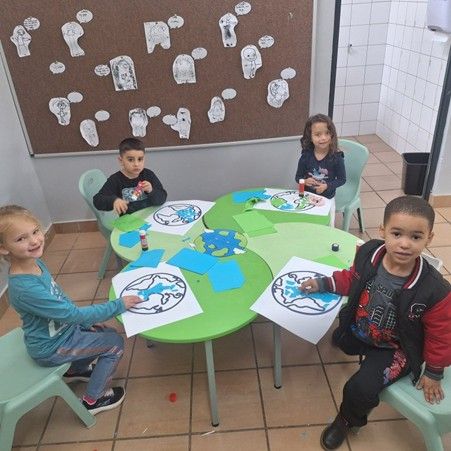
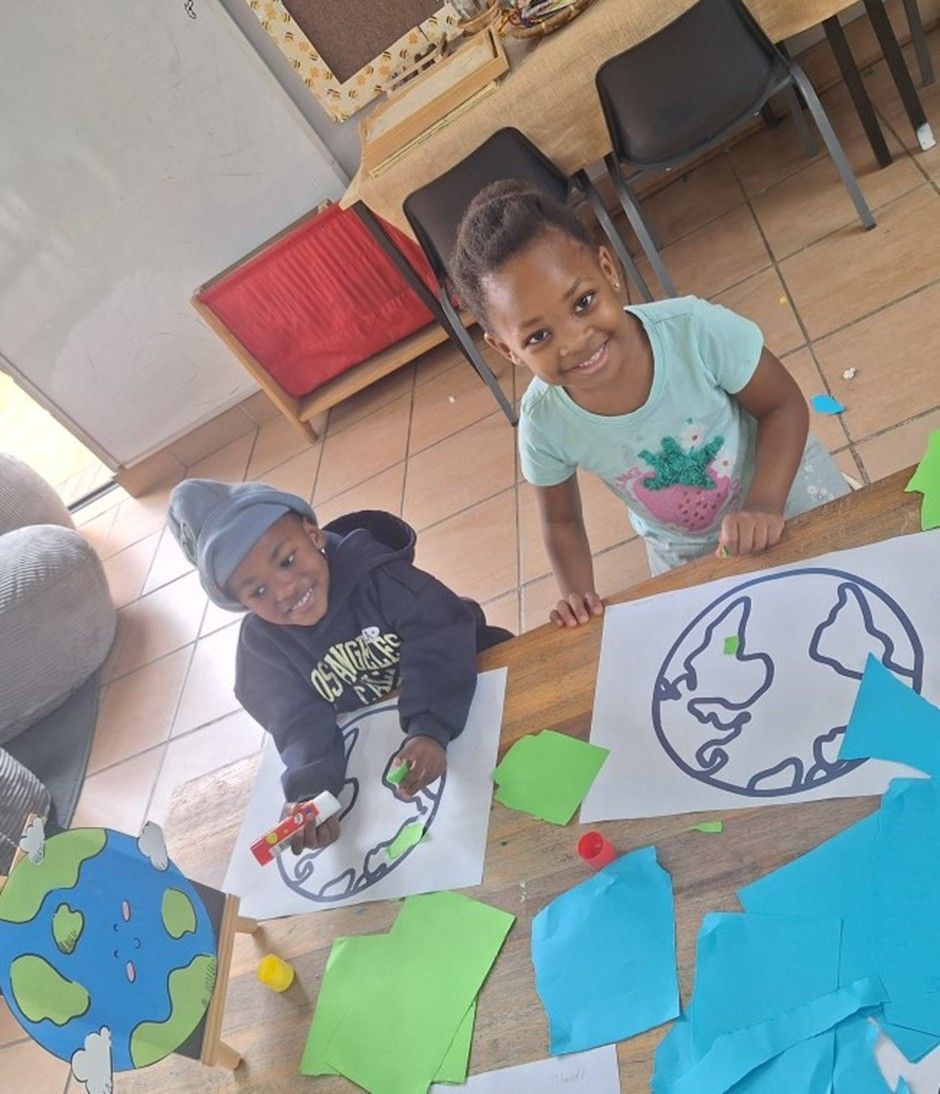
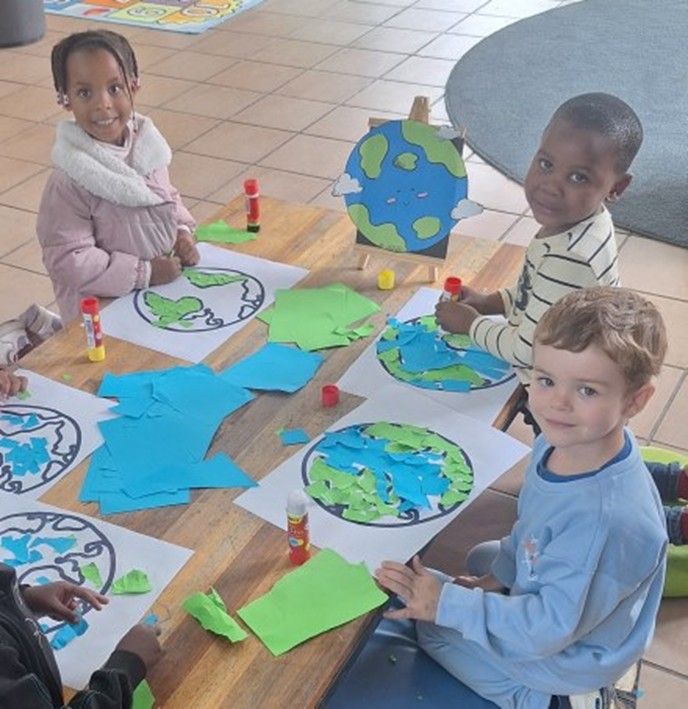
The Bee class had a lovely Earth Day celebration filled with discussions and creativity. We spoke about why Earth Day is important and how we can take care of our planet. 


The students made their own Earths using torn blue and green paper, then cut them out which was great for building fine motor skills. We also introduced simple ideas about recycling and looking after our environment, and it was wonderful to see the children starting to make these connections
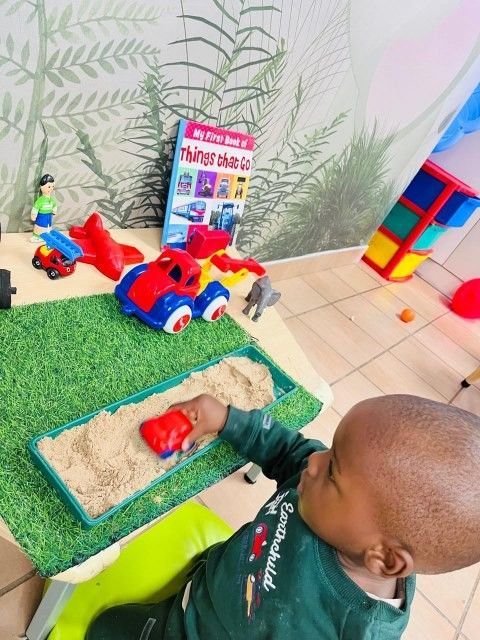
Grade 0000 and Kindy Learn about "How Things Move"


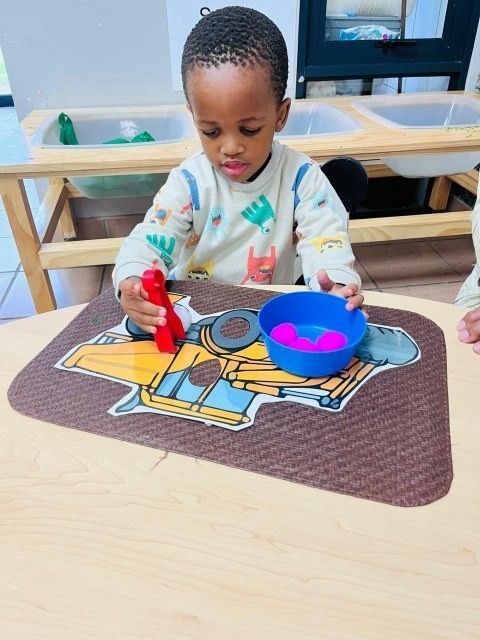
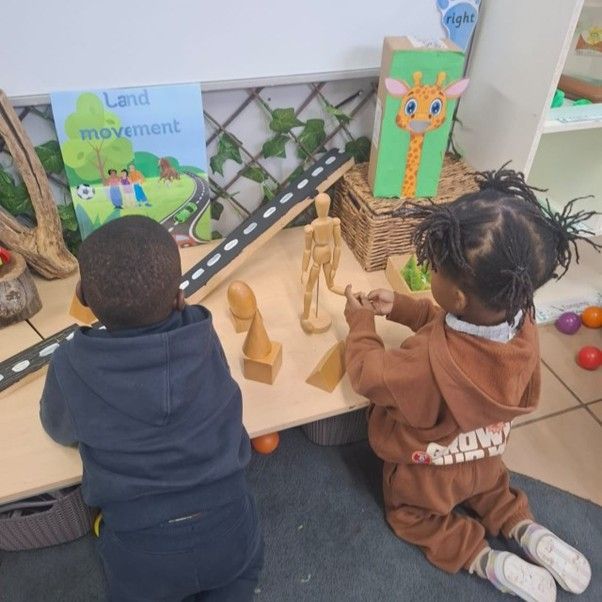
Grade 0000 and Kindy are excited to begin our new Unit of Inquiry, How Things Move. Over the next few weeks, students will explore different types of movement, such as rolling, sliding, gliding and flying, as well as forces like pushing and pulling and inertia.


Through well-structured planning and practical activities, the children will also explore their own movement, and investigate ways in which our own bodies move including running, jumping, skipping, climbing and crawling. This unit encourages lateral thinking and learning through discussion and active engagement.
A "Shocking Discovery" in Grade 0


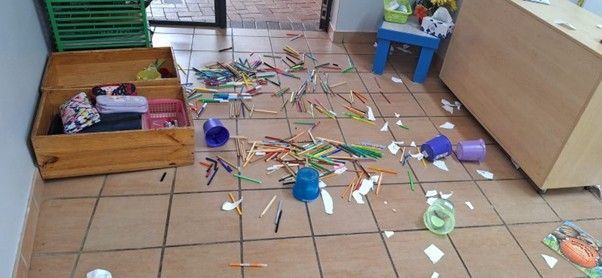
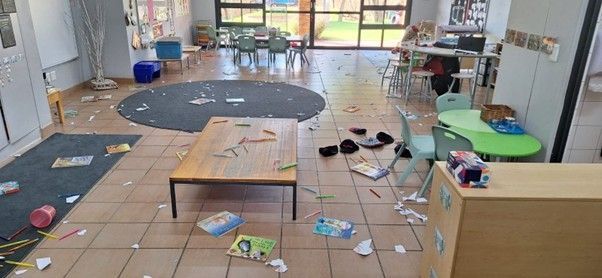
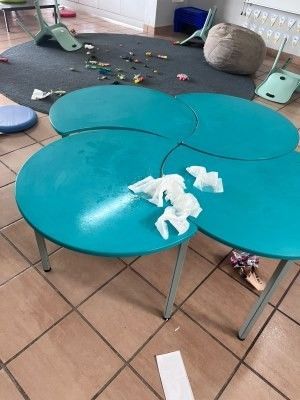
As part of our exciting new Unit of Inquiry, How We Organize Ourselves – Communities, our Elephant, Frog, and Hippo classes had a very unexpected (and slightly shocking.) experience this past Friday. When the students arrived, they were met with complete chaos, belongings were scattered everywhere, and their once orderly learning enviroments were in total disarray.


Rather than feeling overwhelmed, the students rose to the challenge and eagerly stepped into the role of investigators. With curious minds and observant eyes, they began asking questions, making thoughtful observations, and sharing ideas about what might have happened to their learning environments.


They then came together, working collaboratively to restore order and care for their environments. They demonstrated responsibility, teamwork, and compassion as they supported one another in tidying, organising, and rebuilding their shared spaces. This meaningful, hands-on experience sparked rich conversations about communities beyond the learning environment.


The students explored how some communities face challenges and disorder, and how important it is for every member to contribute to caring for and supporting one another. Through this, they showed resilience, problem-solving\ skills, and a deepening understanding of what it means to belong to a community.


It was a powerful reminder that strong communities are built on cooperation, respect, and shared responsibility ,and our Elephant, Frog, and Hippo classes showed just how capable they are of making that happen. 

Preparatory

Junior Choir


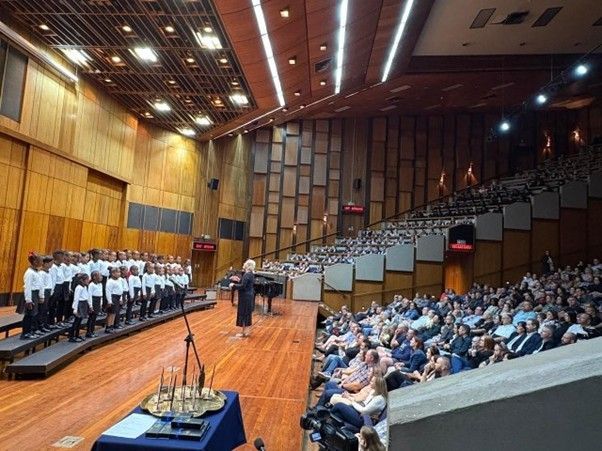
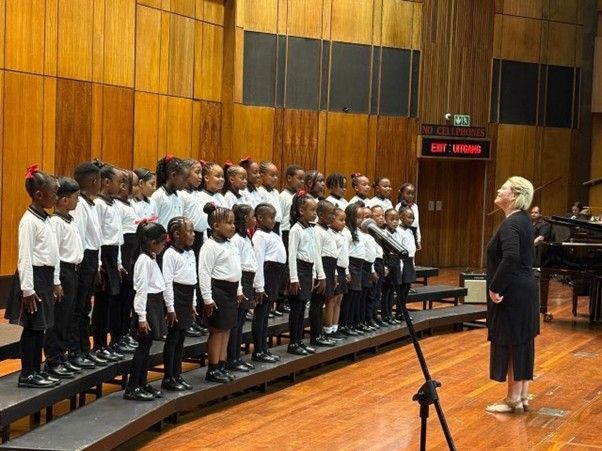
This past Sunday, our Junior Choir performed at the Linder Auditorium for their first performance of the year. They took part in a choir festival alongside a few other schools, sharing in an afternoon of music and collaboration.


For many of the students, it was their first time on a stage of this size. Despite some nerves, they sang with focus and care, and their sound came across clearly and sweetly.


It was a valuable experience for the choir to be part of a larger choral event and to learn from listening to other groups. We are proud of the Junior Choir for the way they represented the school, and we look forward to seeing their continued growth over the year.
WESSA Earth Day Celebrations


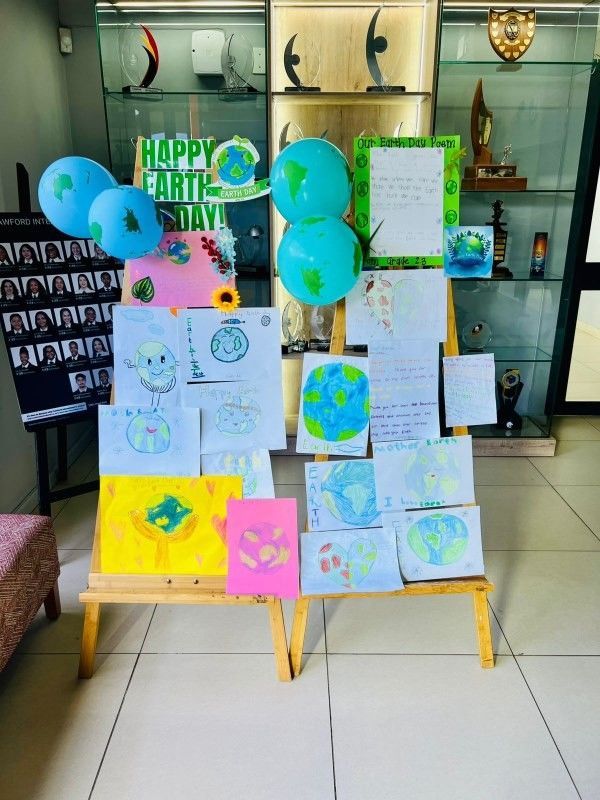
On 22 April, we paused to celebrate our remarkable Mother Earth, our shared home that gives us fresh air, clean water, and a world brimming with life and wonder.


Our Preparatory students embraced the occasion with excitement and purpose. Through vibrant artwork, heartfelt letters, and a beautifully shared poem, they expressed not only their creativity but also a deep appreciation for the world around them.

Minecraft and Rocket League Tournament


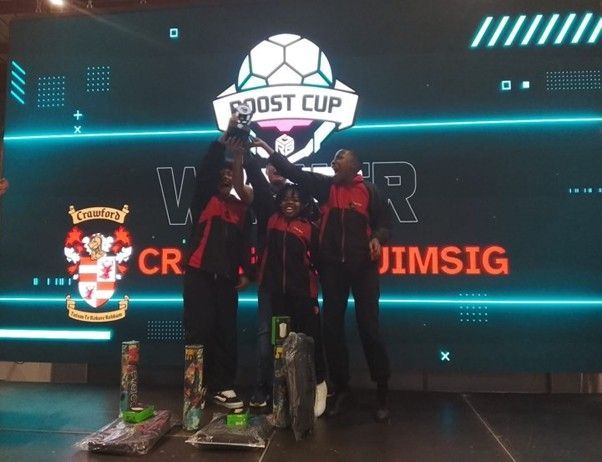
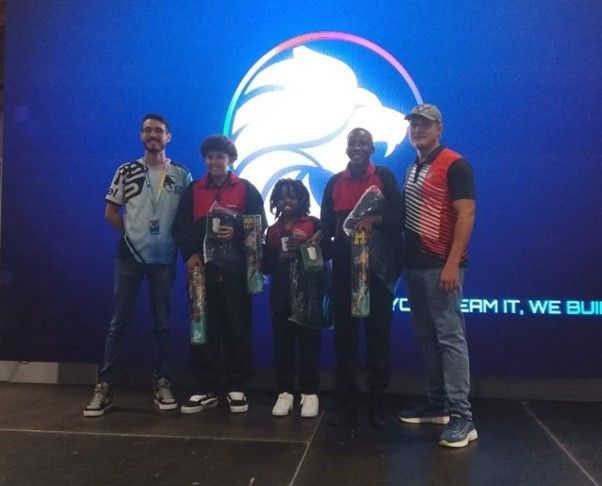
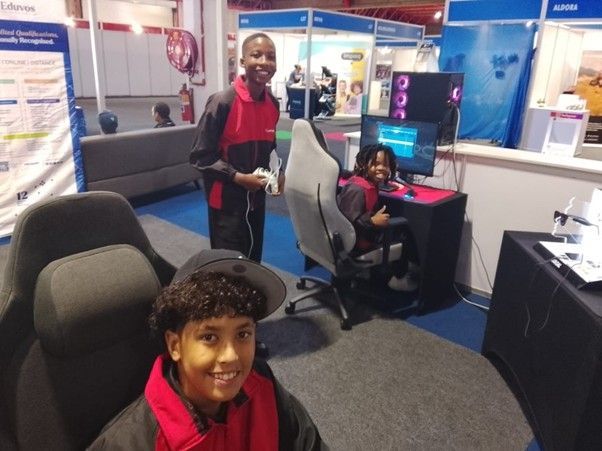
We proudly participated in the Rand Show 2026, held at the Johannesburg Expo on 2 and 3 April. Our students competed in two popular esports titles, Minecraft and Rocket League, demonstrating teamwork, strategy and composure throughout the tournament.


Minecraft is a creative sandbox game where players build, explore and survive in a block- based world. In competitive formats, teams are challenged to complete objectives, solve problems and think strategically under pressure.


Our Minecraft team, consisting of Isa Minty, Molibeli Moholisa, Kamva Swana and Jason Wang, delivered an excellent performance and secured 3rd place, earning a well-deserved podium finish.


Rocket League, on the other hand, is a fast-paced game that combines football with rocket-powered cars. Players must work together to score goals while defending their own, requiring sharp reflexes, coordination and precise communication.


Our Rocket League team, made up of Adam Santamaria, Amohelang Phiri and Nkanyezi Skosana, dominated the competition and finished in 1st place, proudly bringing home the Rand Show Cup 2026.
College

Earth Day 


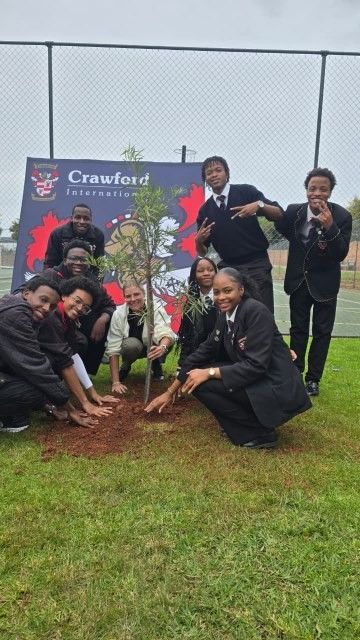
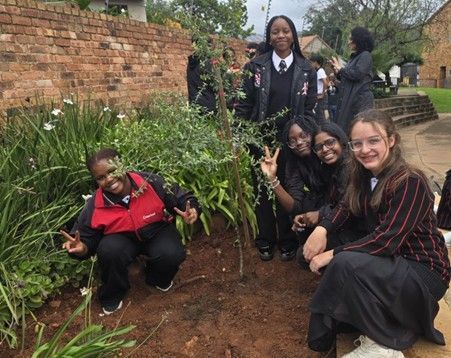
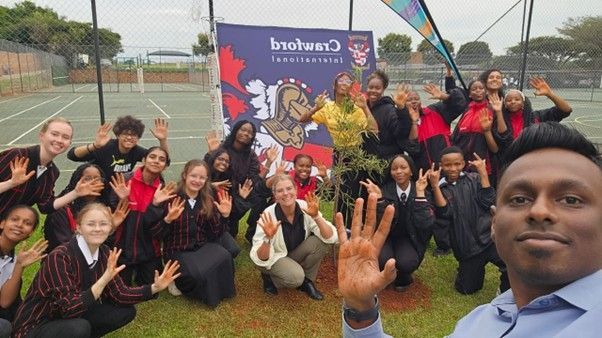
Crawford International Ruimsig celebrated Earth Day 2026 with a meaningful tree planting ceremony in partnership with MOHODI and Planet Fitness. The initiative was sparked by Portia, a Grade 7 parent, from MOHODI, who reached out with the idea of marking Earth Day in a practical and impactful way.


Students from the WESSA Environmental and Service Group, together with students from Grades 8 to 12, staff members and representatives from MOHODI, planted four trees on the school grounds — one near the netball courts and three near the College block. 


The ceremony highlighted the important role trees play in improving air quality, absorbing carbon dioxide, preventing soil erosion, providing shade, and contributing to the overall wellbeing of the school community. Students were excited to get their hands dirty and even gave the trees nicknames, showing their commitment to caring for them in the years ahead.


Air quality measured on the day by MOHODI was excellent with a reading of 2 for PM2.5.


Planet Fitness also joined the event, linking clean air to healthy bodies through a breathing workshop and fitness session. Students were reminded that small, proactive actions, such as planting trees, exercising regularly and practicing healthy breathing — can have a lasting impact on both the environment and personal wellbeing.


Earth Day 2026 served as a reminder that simple actions today can leave a lasting legacy for future generations.
Choir


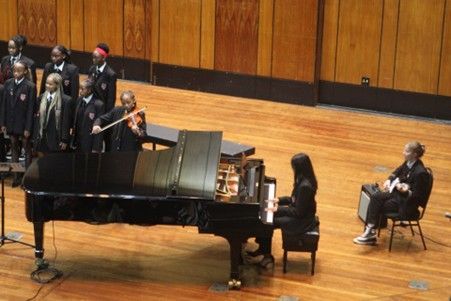
On Sunday, 19 April 2026, the Vibe Tribe competed in KoorFees 2026, hosted at the University of the Witwatersrand’s Linder Auditorium. They competed against several other schools, including Kiewietkoor, Crawford Ruimsig Junior Choir, Fairland Seniorkoor, Louw Geldenhuys Seniorkoor, and Hoërskool Dinamika.


The Vibe Tribe is the official name of the music ensemble at Crawford International Ruimsig. Established in 2025 by Ms Masechaba Moloi, the ensemble was created as part of a strategy to promote diversity and inclusion by celebrating a wide range of musical talents. While functioning primarily as a choir, the group is supported by a variety of instruments played by students. In addition to singers, the Tribe also includes rappers and beatboxers, providing a platform for vocal talents that often lack opportunities for expression.


This approach is rooted in the principles of art therapy, ensuring that students not only develop their skills, but also have a safe space to engage, express, and explore their creativity.


The audience was captivated by the way the Vibe Tribe brought South African songs such as Ndikhokele and Congo to life. Their performance transformed these pieces into a vibrant celebration of culture rather than a conventional recital. The crowd was moved to join in, and their teachers expressed pride and emotion that was unmistakable.


The Vibe Tribe distinguished themselves not only by performing more than three songs, but also by seamlessly blending traditional choral harmonies with contemporary elements. Their synchronised movements and student-led accompaniment captivated the audience, earning admiration from both judges and peers. Beyond the competition, their performance symbolised a new era of inclusive, youth-driven artistry—proving that music truly is a language of its own

International Racing Achievement


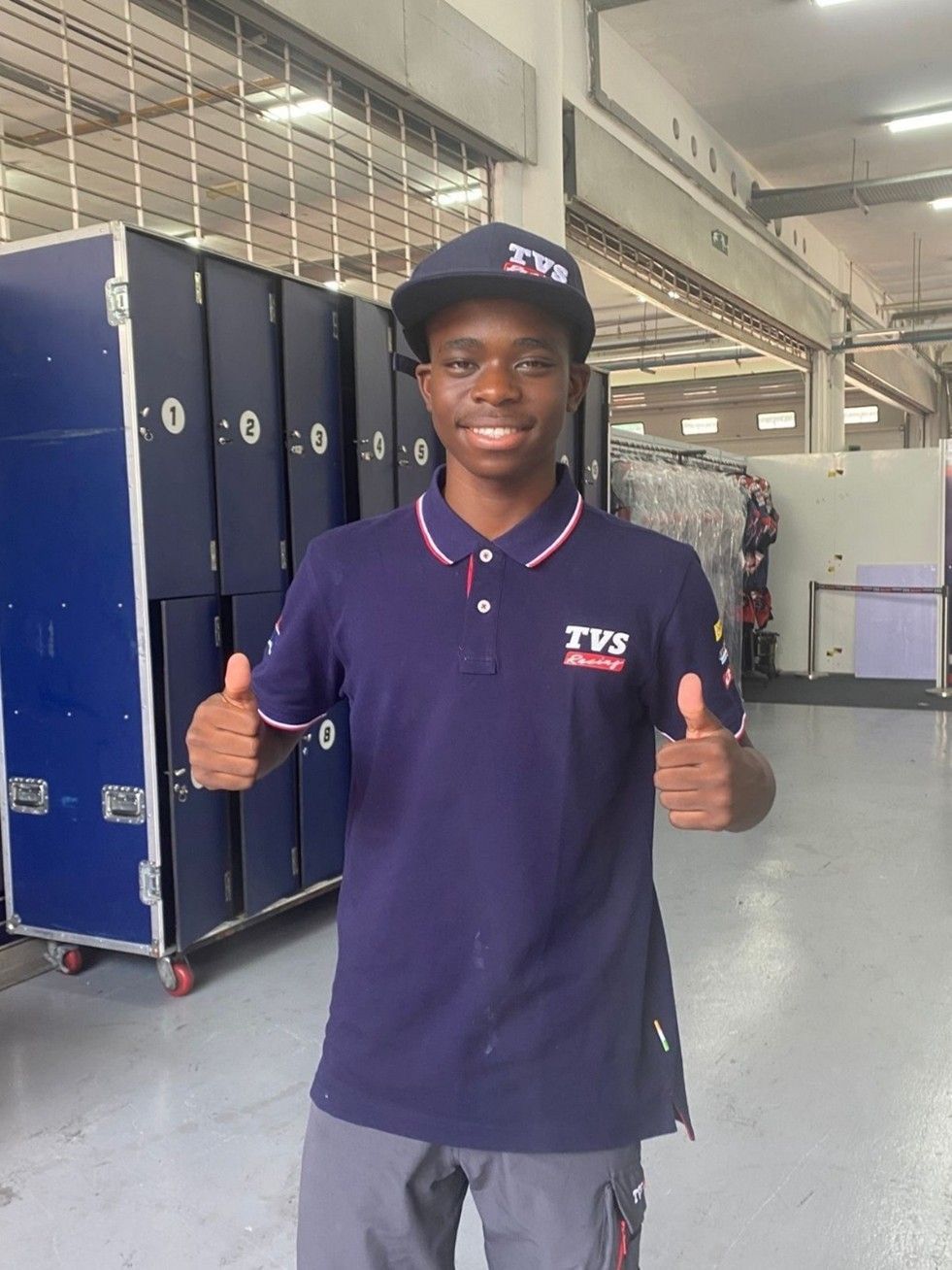
Congratulations to our talented rider, Oratilwe Phiri, on his incredible achievement. He was recently in Malaysia representing South Africa in the TVS One Make Championship, which forms part of the prestigious Asia Road Racing Championship. He competed in six rounds throughout the year, with his campaign starting earlier thisseason.


He has since returned home after completing his international commitments.Oratilwe was proudly supported by Linex Yamaha / TVS South Africa, Steven Odendaal (his coach), Lumi Racing, and Into Africa throughout his campaign.


We congratulate him on flying the South African flag high on the international stage. Your Crawford family is proud of you, Oratilwe.

September 18, 2026
What Can You Really Learn From a School Tour? Choosing a school is about more than comparing websites, prospectuses and academic results. While these can provide useful information, there is something different about seeing a school in person. A school tour gives parents the opportunity to experience the environment where their child could spend some of their most formative years. But what should you actually look for on a school tour? Beyond the buildings and facilities, a visit can tell you a great deal about the school’s culture, its approach to learning and whether it feels like the right fit for your child. Look beyond the facilities Modern classrooms, sports fields, libraries and technology can all contribute to a positive school experience, but facilities are only part of the picture. During a school tour, pay attention to how spaces are used and how students interact within them. Are classrooms welcoming and purposeful? Do students appear engaged? Are there spaces that encourage collaboration, creativity and independent work? These details can give you a better understanding of how the school environment supports everyday learning. Notice how teachers and students interact One of the most valuable things to observe on a school tour is the relationship between teachers and students. A school can tell you about its values, but seeing those values in action can be much more revealing. Notice whether students appear comfortable asking questions and speaking with their teachers. Consider how teachers communicate with students and whether interactions feel respectful, encouraging and supportive. These everyday moments can provide insight into the kind of experience your child may have in the classroom. Get a feel for the school culture School culture can be difficult to understand from a website alone. Listen to what you hear in corridors and classrooms, notice how students move around campus, and consider whether you can picture your child feeling welcome, known and confident there. These impressions may not appear in a prospectus, but they can be some of the most useful things you take away from a visit. Ask ab es out Values You can also ask about the values the school prioritises. How does it support student wellbeing? How are relationships and respect encouraged? What opportunities do students have to contribute to the school community? The answers can help you understand what life at the school is really like. Ask how students are encouraged to grow A strong education should provide more than academic knowledge. During your tour, ask how the school helps students discover their interests, build confidence and develop skills beyond the classroom. Find out about opportunities in sport, culture, leadership, creative activities, clubs and other enrichment programmes. These experiences can help students explore their strengths and develop qualities such as teamwork, resilience, communication and independence. Ask the questions that matter to your child Every child has different needs, interests and ambitions, so there is no universal checklist for a school tour. Think about what matters most to your child before you visit and use the opportunity to ask specific questions. What does a typical day look like for a student in my child's age group? What support is available if my child needs extra help or wants to be stretched further? What opportunities do students have to take part in sport, culture, leadership or creative activities? How does the school communicate with parents? How are students encouraged to take responsibility for their learning? Trust what you see and how you feel A school tour is also an opportunity to consider whether you can picture your child being happy and confident in that environment. Does the school feel welcoming? Do the students seem engaged? Do the teachers appear approachable? Can you imagine your child feeling known, supported and encouraged to grow? These impressions may not appear in a prospectus, but they can be some of the most useful things you take away from a visit. See the school experience for yourself Ultimately, a school tour can turn a list of facts into a real sense of what a school offers. It allows parents to look beyond academic results and facilities and see the people, relationships and environment that shape a student’s everyday experience. This is why visiting a school matters. At Crawford International, families have the opportunity to see the school environment, meet teachers and experience the community for themselves. Choosing a school is not only about what it offers, but whether it is a place where your child can learn, grow and thrive. At Crawford International, personalised tours are arranged directly with your chosen campus, giving you and your family the chance to meet our teachers and students on a day that suits you Book a personalised tour and discover the Crawford International experience for yourself.
Crawford International graphic asking in red and black text, “Does your child have a voice in their education?”
September 11, 2026
Student voice builds confidence and independence. See what having a say looks like from Grade 1 to Grade 11, and how parents and schools support it.
September 4, 2026
A school tour shows you the buildings. Picture your child inside them. What to look for beyond the facilities when you are choosing a school.
August 21, 2026
Most parents ask about fees and academics. These are the seven questions that tell you far more about whether a school is right for your child.
August 14, 2026
A school Open Day shows you what a website cannot. Here is what happens on the day, what to look for, and why visiting in person matters so much.
Crawford International ad: “Helping Your Child Develop Leadership Skills at Every Age” in red and black text
August 7, 2026
Leadership starts long before the boardroom. See how children build confidence, empathy and decision making from pre-primary through to matric.
July 29, 2026
Helping Your Child Transition Back to School After the Holidays The end of the school holidays often brings a mix of emotions for both children and parents. While many students look forward to seeing their friends and teachers again, others may feel nervous about returning to routines, new classrooms or the challenges of a new term. A smooth transition back to school doesn't happen overnight. With a little preparation and a positive approach, families can help children return feeling confident, organised and ready to learn. The key is to focus on creating healthy routines, encouraging open conversations and making the first few days back feel exciting rather than overwhelming. Re-establish a School Routine Before the First Day One of the easiest ways to prepare your child for the new school term is to begin reintroducing their school routine a few days before classes resume. Gradually adjust bedtimes and morning wake-up times to match the school schedule. This gives children time to reset their body clocks, making those early mornings much easier when the term begins. You can also use this time to prepare school uniforms, organise stationery and pack school bags together. These small tasks help children feel organised and reduce first-day stress. Talk Positively About Returning to School Children often take emotional cues from the adults around them. Speaking positively about the new school term can help build excitement and confidence. Ask your child what they are looking forward to. It could be seeing friends, participating in sport, joining a cultural activity or learning something new. If they have concerns, listen without dismissing their feelings and reassure them that it's normal to feel a little uncertain after a long break. Simple conversations can go a long way in helping children feel emotionally prepared for the transition back to school. Encourage Healthy Habits Returning to school is a great opportunity to re-establish healthy daily habits that support learning and wellbeing. Encourage regular meals, enough sleep, daily movement and balanced screen time. These habits not only support physical health but also improve concentration, energy levels and overall readiness for the classroom. Children thrive when they have a consistent routine that balances learning, rest and play. Help Your Child Set Small Goals A new school term offers a fresh start. Encourage your child to think about one or two realistic goals they would like to achieve. These goals don't have to be purely academic. They could include improving time management, participating more in class, joining a new activity, reading more often or simply becoming more organised. Focusing on small, achievable goals helps children build confidence and creates a sense of purpose for the weeks ahead. Stay Connected with Your Child's School A successful school experience is built on a strong partnership between home and school. Taking an active interest in your child's learning helps them feel supported and reinforces the importance of education. Regular communication with teachers, attending school events and checking in with your child about their day all contribute to a positive learning experience. Even simple questions such as "What was the best part of your day?" can encourage meaningful conversations about school. Be Patient During the Adjustment Period Not every child settles back into routine immediately. Some may be tired during the first week, while others may need extra reassurance as they adjust to classroom expectations again. Be patient and celebrate the small wins. Whether it's waking up on time, completing homework independently or returning home with a positive story about their day, these moments all contribute to a successful transition. Remember that confidence grows through encouragement, consistency and support. Key Takeaways Begin preparing for the new school term a few days before school starts. Re-establish healthy sleep, morning and after-school routines. Talk positively about returning to school and encourage open conversations. Support your child's wellbeing through healthy habits and balanced routines. Help your child set small, achievable goals for the new term. Build a strong partnership with your child's school. Be patient as children adjust and celebrate their progress along the way.  Returning to school marks the beginning of another exciting chapter of learning and growth. By creating positive routines, encouraging confidence and supporting your child's wellbeing, parents can help make the transition back to school a positive experience for the whole family.
July 24, 2026
Helping Your Child Transition Back to School After the Holidays The end of the school holidays often brings a mix of emotions for both children and parents. While many students look forward to seeing their friends and teachers again, others may feel nervous about returning to routines, new classrooms or the challenges of a new term. A smooth transition back to school doesn't happen overnight. With a little preparation and a positive approach, families can help children return feeling confident, organised and ready to learn. The key is to focus on creating healthy routines, encouraging open conversations and making the first few days back feel exciting rather than overwhelming. Re-establish a School Routine Before the First Day One of the easiest ways to prepare your child for the new school term is to begin reintroducing their school routine a few days before classes resume. Gradually adjust bedtimes and morning wake-up times to match the school schedule. This gives children time to reset their body clocks, making those early mornings much easier when the term begins. You can also use this time to prepare school uniforms, organise stationery and pack school bags together. These small tasks help children feel organised and reduce first-day stress. Talk Positively About Returning to School Children often take emotional cues from the adults around them. Speaking positively about the new school term can help build excitement and confidence. Ask your child what they are looking forward to. It could be seeing friends, participating in sport, joining a cultural activity or learning something new. If they have concerns, listen without dismissing their feelings and reassure them that it's normal to feel a little uncertain after a long break. Simple conversations can go a long way in helping children feel emotionally prepared for the transition back to school. Encourage Healthy Habits Returning to school is a great opportunity to re-establish healthy daily habits that support learning and wellbeing. Encourage regular meals, enough sleep, daily movement and balanced screen time. These habits not only support physical health but also improve concentration, energy levels and overall readiness for the classroom. Children thrive when they have a consistent routine that balances learning, rest and play. Help Your Child Set Small Goals A new school term offers a fresh start. Encourage your child to think about one or two realistic goals they would like to achieve. These goals don't have to be purely academic. They could include improving time management, participating more in class, joining a new activity, reading more often or simply becoming more organised. Focusing on small, achievable goals helps children build confidence and creates a sense of purpose for the weeks ahead. Stay Connected with Your Child's School A successful school experience is built on a strong partnership between home and school. Taking an active interest in your child's learning helps them feel supported and reinforces the importance of education. Regular communication with teachers, attending school events and checking in with your child about their day all contribute to a positive learning experience. Even simple questions such as "What was the best part of your day?" can encourage meaningful conversations about school. Be Patient During the Adjustment Period Not every child settles back into routine immediately. Some may be tired during the first week, while others may need extra reassurance as they adjust to classroom expectations again. Be patient and celebrate the small wins. Whether it's waking up on time, completing homework independently or returning home with a positive story about their day, these moments all contribute to a successful transition. Remember that confidence grows through encouragement, consistency and support. Key Takeaways Begin preparing for the new school term a few days before school starts. Re-establish healthy sleep, morning and after-school routines. Talk positively about returning to school and encourage open conversations. Support your child's wellbeing through healthy habits and balanced routines. Help your child set small, achievable goals for the new term. Build a strong partnership with your child's school. Be patient as children adjust and celebrate their progress along the way.  Returning to school marks the beginning of another exciting chapter of learning and growth. By creating positive routines, encouraging confidence and supporting your child's wellbeing, parents can help make the transition back to school a positive experience for the whole family.
July 17, 2026
How College Students Can Make the Most of the School Holidays For College students, the school holidays are more than just a pause between terms. They are a chance to rest, reset and spend time on the things that often get pushed aside during a busy school schedule. Between academics, sport, cultural activities, friendships, leadership responsibilities and future planning, the school term can move quickly. The holidays offer students time to slow down, reconnect with themselves and return to school feeling more focused. Making the most of the holidays does not mean filling every day with revision or activities. It means finding a healthy balance between rest, enjoyment, responsibility and small steps that support personal growth. Use the Break to Properly Recharge Rest is one of the most important parts of the holidays. After a demanding term, students need time to sleep, relax and step away from constant deadlines. This may mean having a few slower mornings, spending time with friends, watching a favourite series, listening to music, reading, exercising or simply doing very little for a while. The key is to rest in a way that actually feels refreshing. Too many late nights, endless scrolling or irregular routines can sometimes leave students feeling more tired than before. A good holiday should help students feel recharged, not drained. Keep a Little Structure Without Overplanning The holidays should feel different from school, but some structure can make the break more enjoyable. Without it, days can start to blur together and it becomes easy to lose motivation. Students can create a simple rhythm that works for them. This might include time for rest, seeing friends, exercising, helping at home, enjoying hobbies and doing any schoolwork that needs to be completed. This does not need to be a strict timetable. Even choosing one or two things to do each day can create a sense of purpose while still leaving plenty of room for downtime. Stay Connected to Learning in a Low-Pressure Way The holidays are not meant to become another school term. However, staying lightly connected to learning can help students return with more confidence. This could mean finishing assigned holiday work early, reviewing a subject that felt difficult, organising notes, reading something interesting or setting a small goal for the next term. For senior students, the holidays can also be a good time to think about future pathways. Exploring study options, careers, personal interests or skills can help students feel more prepared without making the break feel academic. Use Technology with Intention Technology is part of everyday life, especially for College students. The focus should be on helping them build a responsible, intentional relationship with it. Used well, technology can best support learning, connect with friends, watch useful content, research future opportunities or create something original. Recent research has drawn attention to the long-term effects that constant device use can have on young people. Parents have an important duty to play here too, by staying aware of this research and helping set sensible limits around use at home. Taking regular breaks from devices, spending time outdoors and being present with family or friends can help create a healthier balance. Make Time for Movement and Wellbeing Physical activity is one of the simplest ways to support wellbeing during the holidays. It helps with energy, sleep, mood and focus. This does not have to mean formal sport or intense training. Walking, gym, running, swimming, cycling, dancing, hiking or playing sport with friends can all help students stay active. Wellbeing also includes sleep, nutrition, social connection and time away from pressure. The holidays are a good opportunity for students to check in with how they are feeling and reset healthy habits. Explore Interests Beyond the Classroom During the term, students may not always have time to focus on their own interests. The holidays can create space to explore what excites them outside of the classroom. This could include music, art, photography, design, coding, sport, volunteering, writing, entrepreneurship, cooking, reading or learning a new practical skill. These activities are not just ways to stay busy. They help students build confidence, discover strengths and develop a stronger sense of who they are becoming. Take Responsibility in Small Ways Independence grows through everyday responsibility. The holidays are a good time for students to practise managing their time, planning ahead and contributing at home. This might include organising their room, helping with meals, managing their own school preparation, budgeting for outings, planning transport or taking responsibility for completing holiday tasks without being reminded. These small actions help students build habits that will support them beyond school. Ease Back into the New Term A few days before school starts, it helps to gently shift back into routine. Students can check their school materials, complete any final tasks, review important dates and adjust sleep patterns. This is also a good time to set one or two realistic goals. These could be academic, personal, social or linked to sport, culture or leadership. Starting the term with a clear mind and a little preparation can help students feel more confident and in control. Key Takeaways The holidays are a time to rest, reset and reconnect. Students do not need a strict timetable, but some structure can help. Light learning or preparation can make the return to school smoother. Technology should be balanced with movement, hobbies and real connection. Exploring interests outside the classroom supports confidence and personal growth. Small responsibilities help students build independence. A calm return to routine can help students start the next term well. School holidays are a valuable opportunity for College students to pause, reflect and grow. With the right balance of rest, freedom and purpose, students can return to school feeling refreshed, motivated and ready for what comes next.
July 10, 2026
School holidays are an important time for children to rest, play and enjoy a break from their usual routine. After a busy term, children need time to recharge, spend time with family and enjoy the freedom of slower days. At the same time, many parents know that holidays can quickly become challenging when children are restless, bored or spending more time on screens than planned. The goal is not to fill every hour with structured activities. Instead, school holidays can offer a healthy balance of rest, play, creativity, movement and simple learning moments. For Pre-Primary and Prep children, the best activities are often the ones that feel fun, natural and easy to enjoy at home. Keep a Gentle Holiday Routine Children often feel more settled when they know what to expect. A holiday routine does not need to be strict, but a simple rhythm can help the day feel calmer. Parents can include: A regular wake-up and bedtime range Time for outdoor play Creative activities Quiet reading or rest time Limited screen time Small responsibilities at home Family time in the evening This gives children enough structure to feel secure, while still allowing space for holiday fun. Encourage Learning Through Play Younger children learn best through play. Through everyday play, they practise communication, imagination, problem-solving and independence. Simple holiday play ideas include: Building with blocks, boxes or cushions Playing dress-up Creating a pretend shop or restaurant Doing puzzles Playing matching or memory games Using playdough or clay Making an indoor obstacle course Playing board games or card games These activities keep children engaged without making the holidays feel like schoolwork. Make Reading Feel Relaxed The holidays are a good time to encourage reading in a calm and enjoyable way. Reading supports vocabulary, imagination and concentration, but it should not feel like a task. For Pre-Primary children, parents can read aloud, look at picture books together and ask simple questions about the story. For Prep children, allow them to choose books that interest them, whether that is storybooks, comics, fact books or magazines. Even 15 minutes of reading a day can help children stay connected to language and learning during the holidays. Get Creative at Home Creative activities are a simple way to keep children busy while encouraging imagination and focus. Parents can try: Drawing, painting or colouring Making cards for family members Baking simple recipes together Creating a holiday scrapbook Making puppets and putting on a show Building with recycled materials Designing a treasure map The focus should not be on perfection. What matters most is that children are exploring, creating and enjoying the process. Keep Children Moving Movement is especially important for younger children. It supports their physical development, mood, sleep and concentration. Easy ways to keep children active include: Playing outside Going for a family walk Riding a bicycle or scooter Dancing to music Playing ball games Swimming, where safe and supervised Visiting a park Movement does not need to be formal. The aim is simply to help children use their energy in a healthy and enjoyable way. Build Independence Through Small Responsibilities School holidays are a good opportunity to help children practise small responsibilities without the rush of the school morning. Younger children can help with: Packing away toys Making their bed Helping set the table Watering plants Feeding pets with supervision Organising books or stationery These small tasks help children feel capable and trusted. Over time, they support confidence and independence. Set Healthy Screen Time Boundaries Screens can be part of the holidays, but they should not become the main activity of the day. Clear boundaries help children understand when and how screens can be used. Parents may choose to allow screen time after reading, outdoor play or tidying up. Families can also keep mealtimes and bedtime screen-free. It can help to create a simple holiday activity list so children have options before turning to a device. Prepare Gently for the New Term As the holidays come to an end, children may need help adjusting back into routine. A few days before school starts, parents can begin moving bedtime closer to the usual school schedule, preparing uniforms and school bags, and speaking positively about the term ahead. For younger children, reassurance makes a big difference. A calm return to routine can help them feel ready and confident for the new term. Key Takeaways School holidays should include both rest and meaningful activity. Pre-Primary and Prep children learn through play, movement, creativity and conversation. A gentle routine helps children feel settled. Reading, creative activities and outdoor play support development. Small responsibilities help children build confidence and independence. Clear screen time boundaries create a healthier holiday rhythm. Preparing gradually for the new term can make the return to school easier. School holidays are a valuable opportunity for children to rest, explore and reconnect. With a simple balance of structure and freedom, parents can help younger children enjoy their break while continuing to build curiosity, confidence and independence.
Show More