Pretoria October 2024

November 1, 2024

Celebrating Grandparents and Caregivers Day: A Heartwarming Gathering


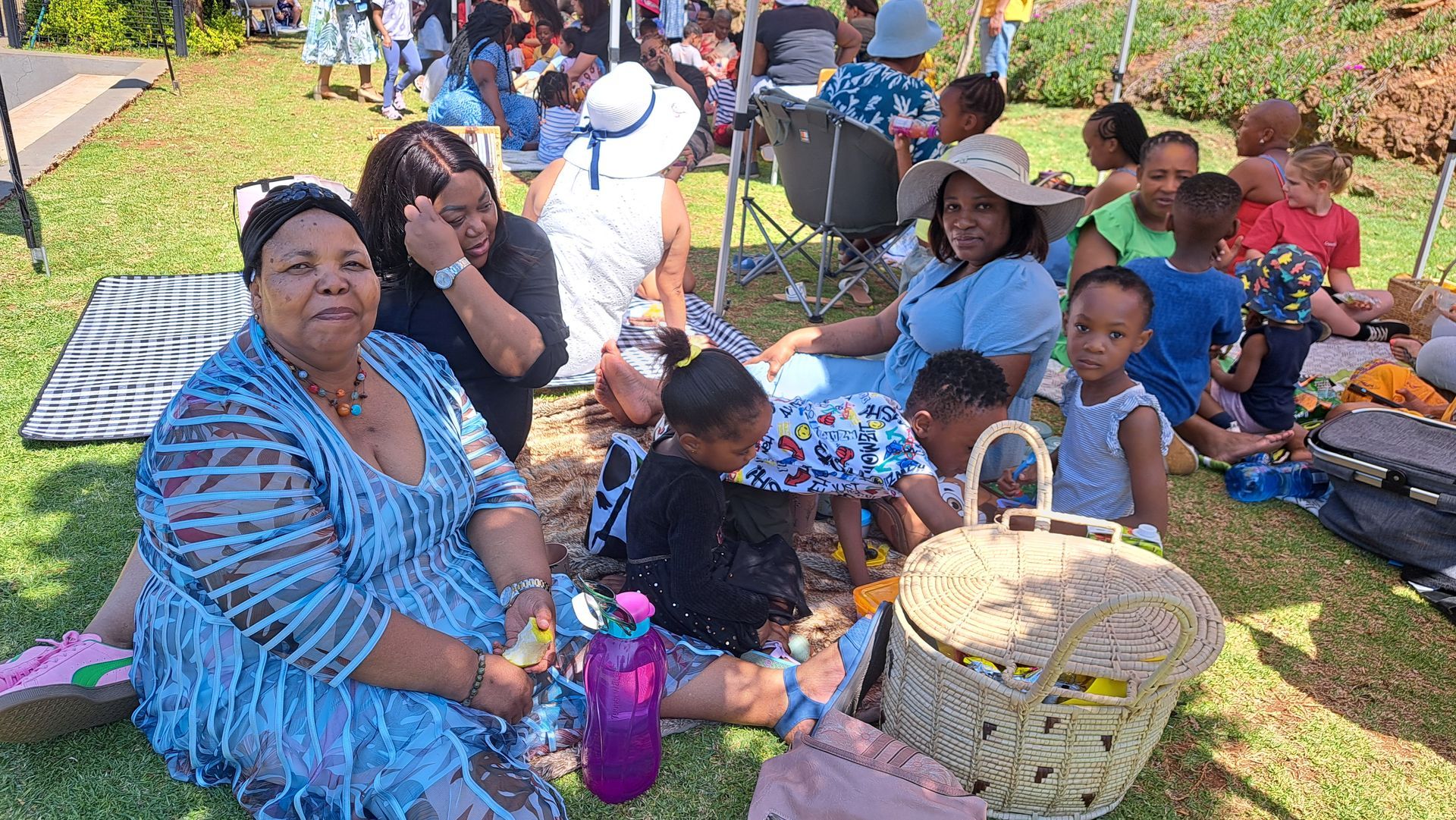
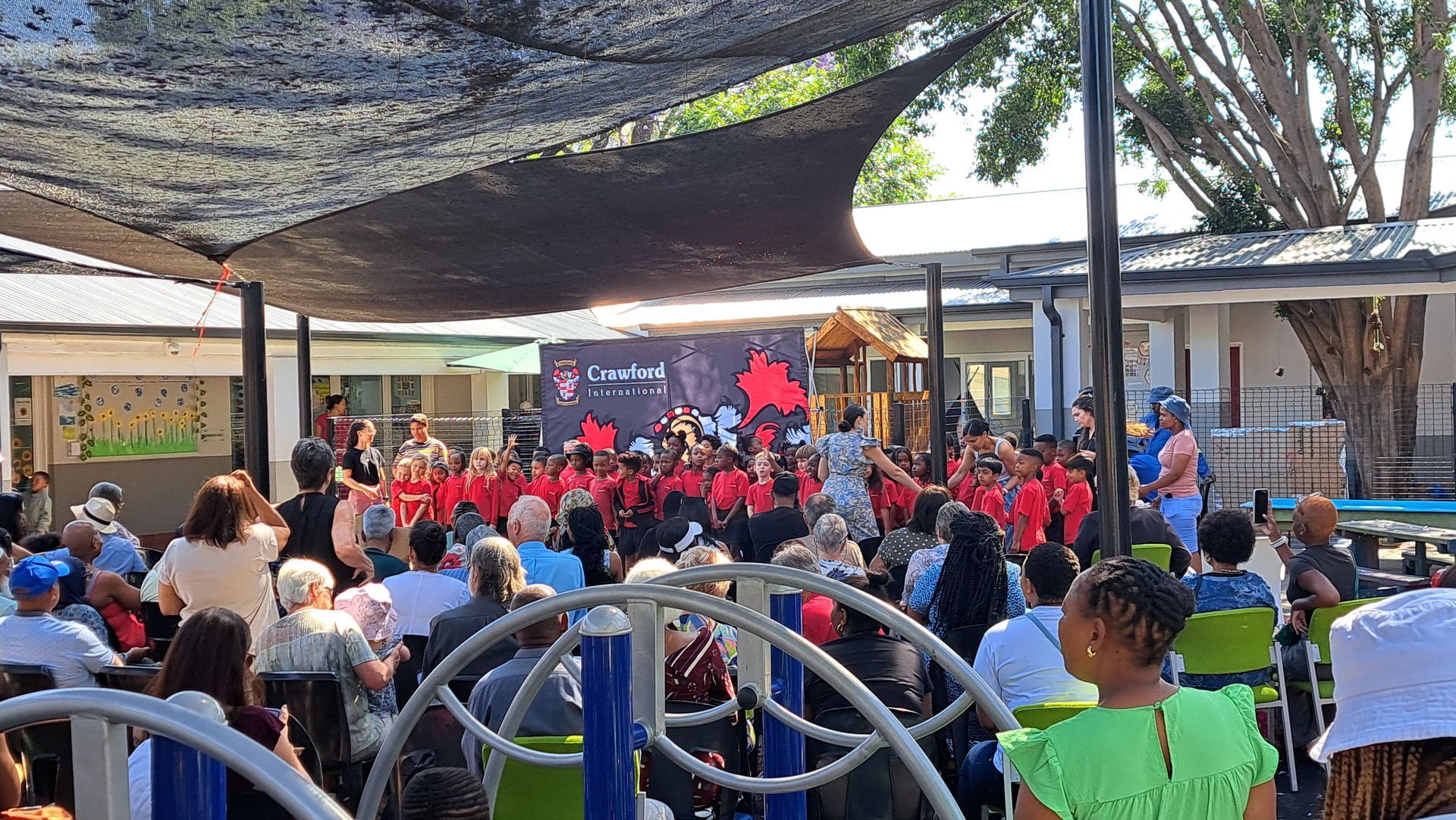
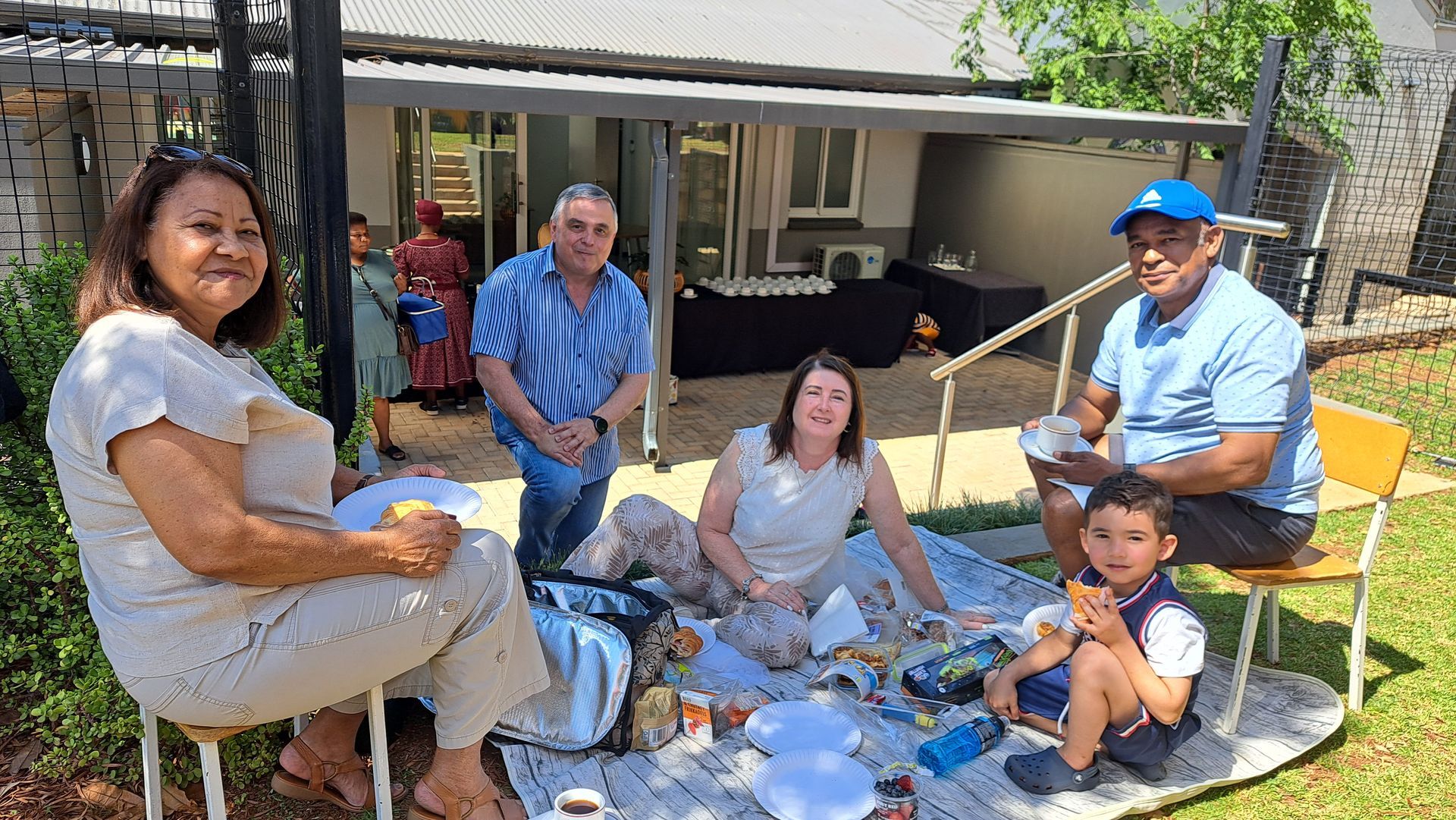
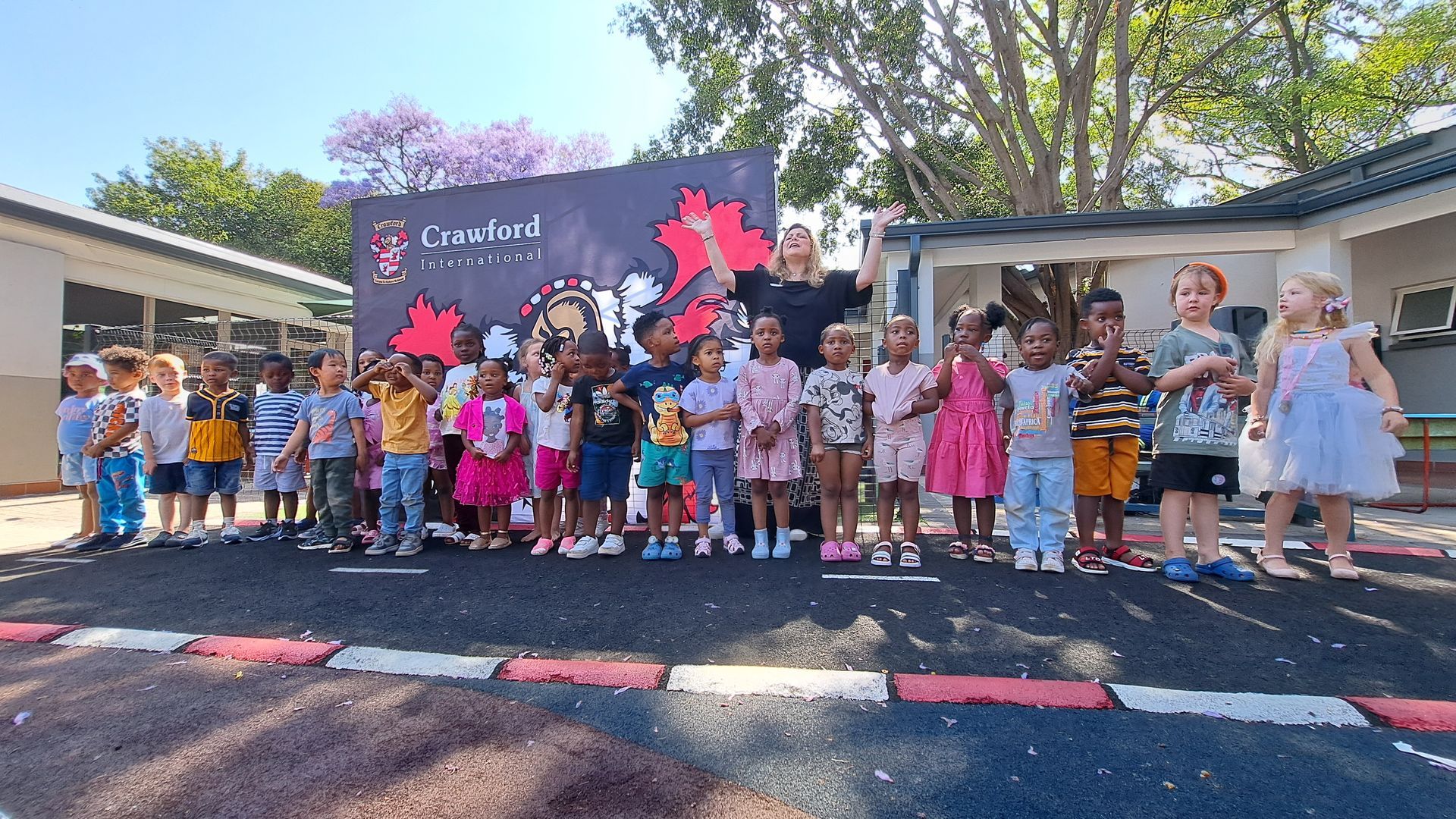
Our Pre-Primary’s annual Grandparents and Caregivers Day was a delightful celebration, bringing together students and their loved ones for a day filled with joy and appreciation.


The festivities began with a warm welcome and a special performance by the children, filling the room with pride as grandparents and caregivers watched with beaming smiles. Following the performances, guests joined in interactive activities, visiting homerooms and seeing learning through the curious eyes of our young students.

The day concluded with a relaxed picnic, where families shared treats and laughter, making cherished memories. It was a wonderful reminder of the invaluable connections between children, grandparents, and caregivers. We’re already looking forward to next year’s celebration!

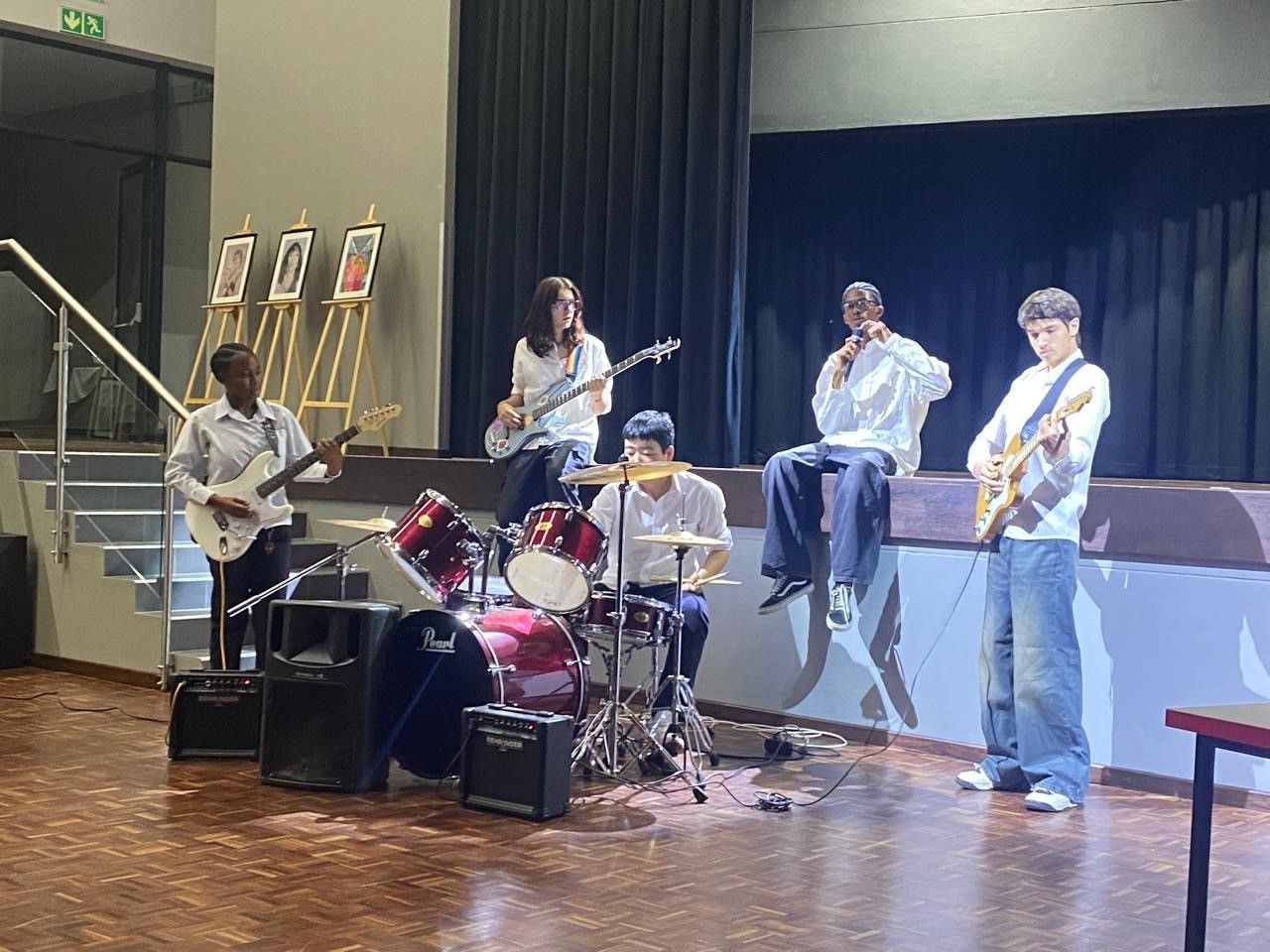
Lunch Hour Concert Brings Music to Our Garden


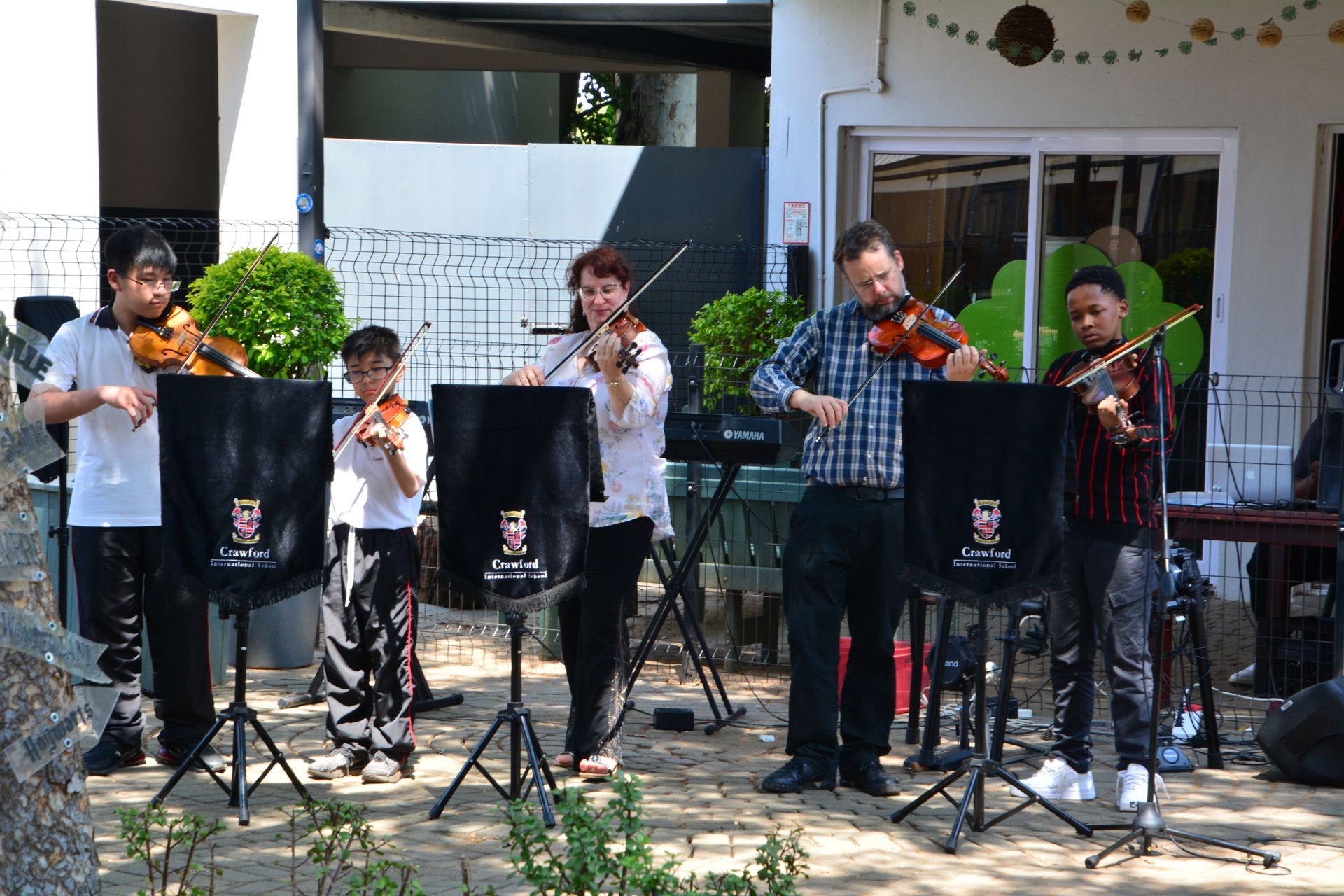
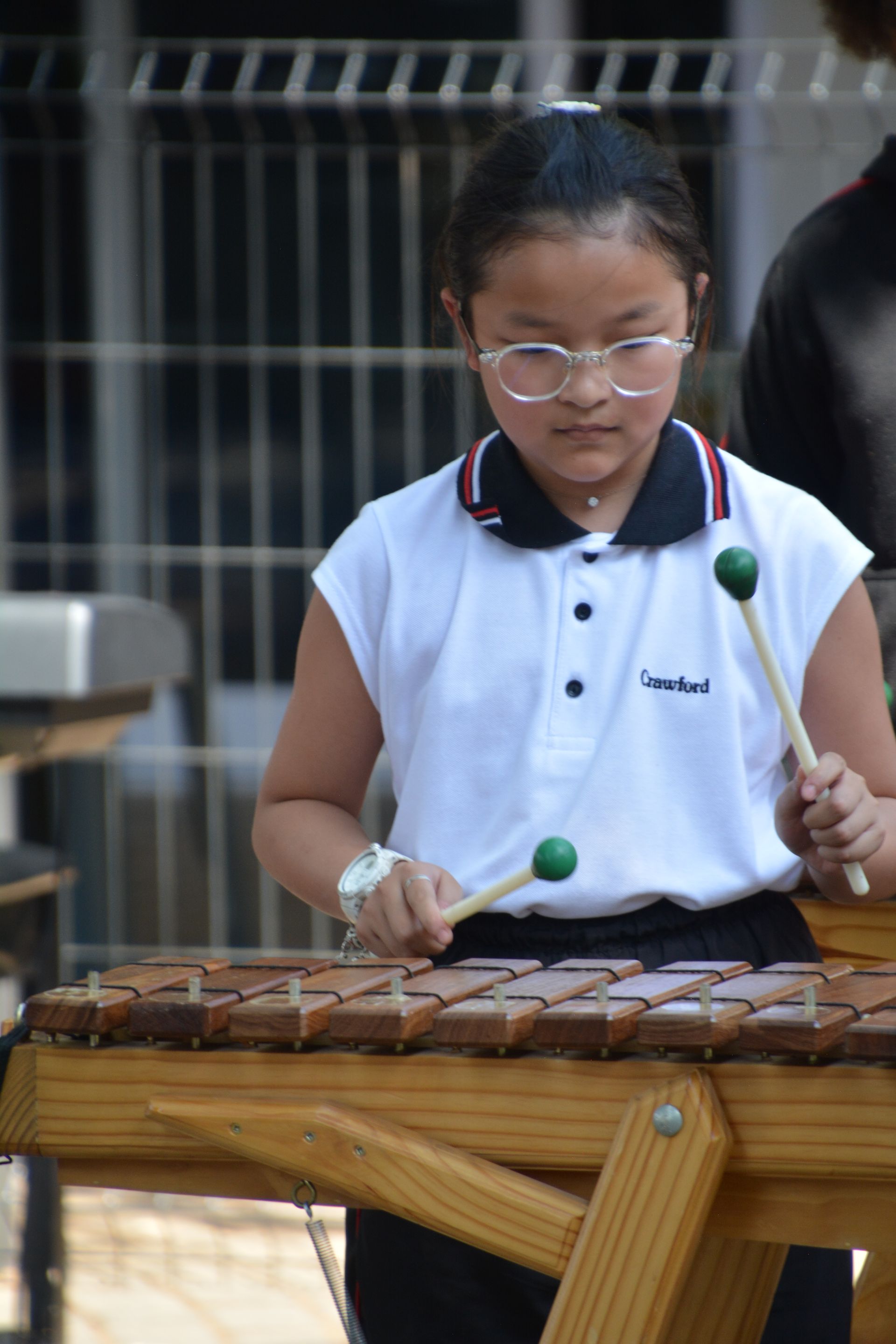
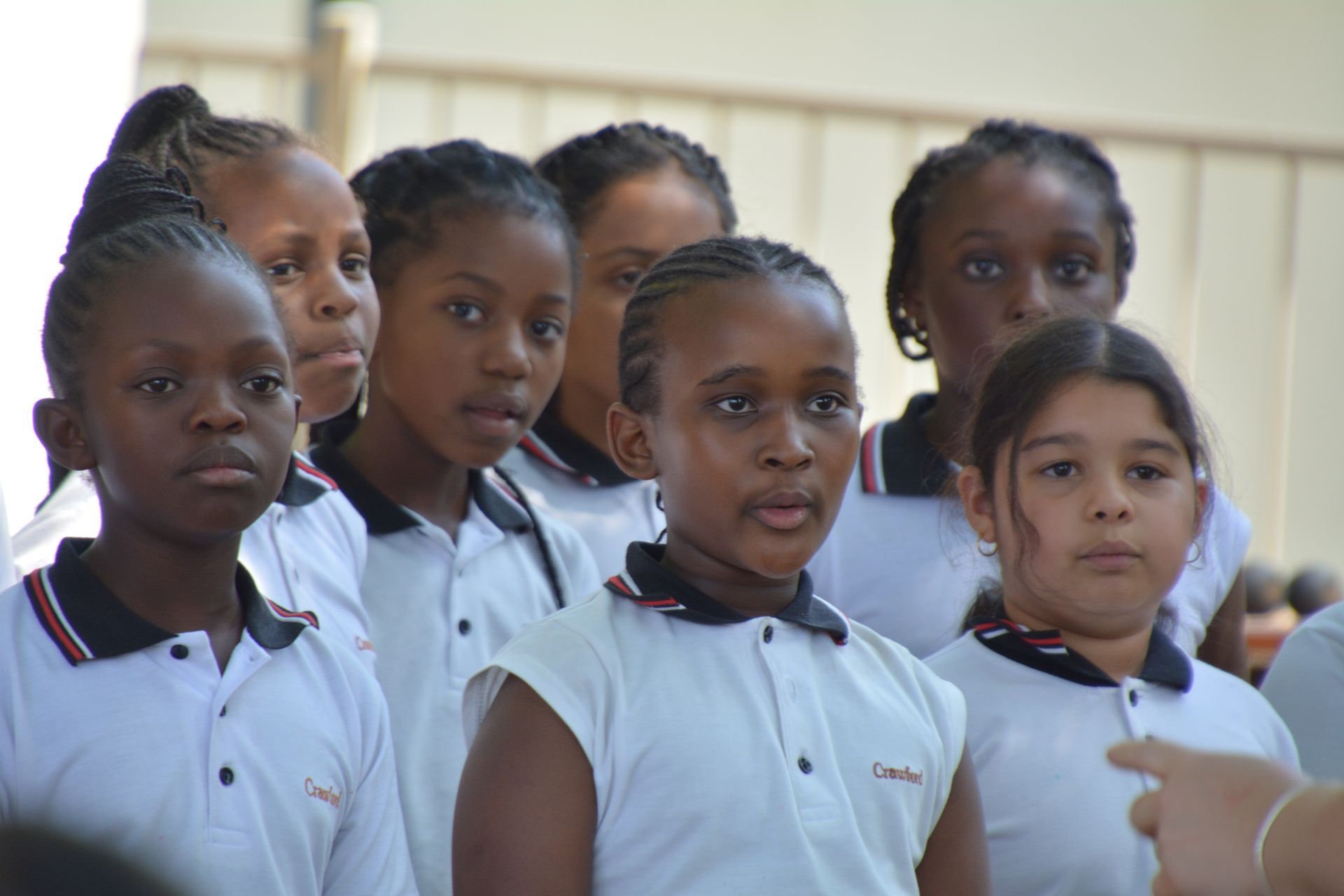
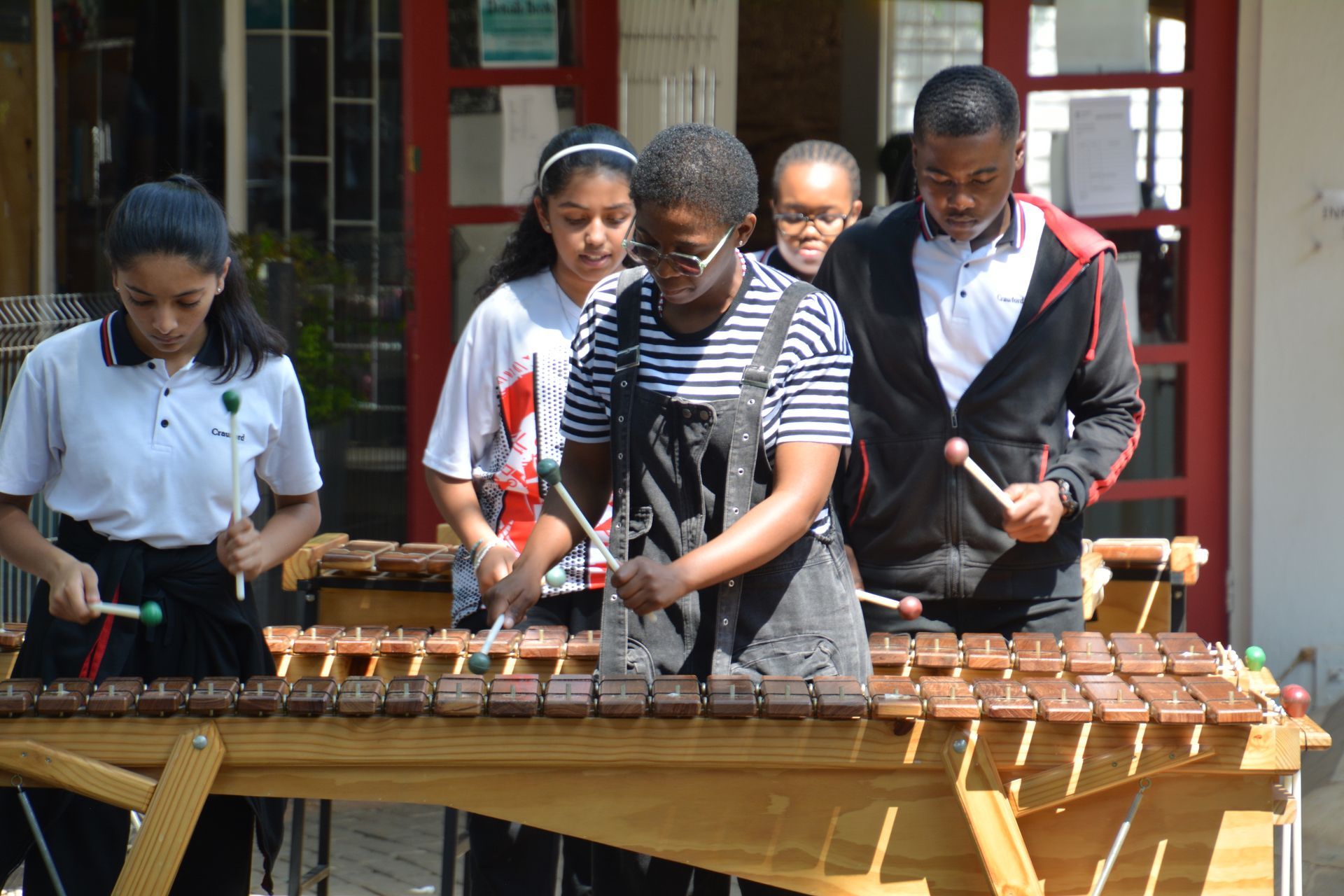
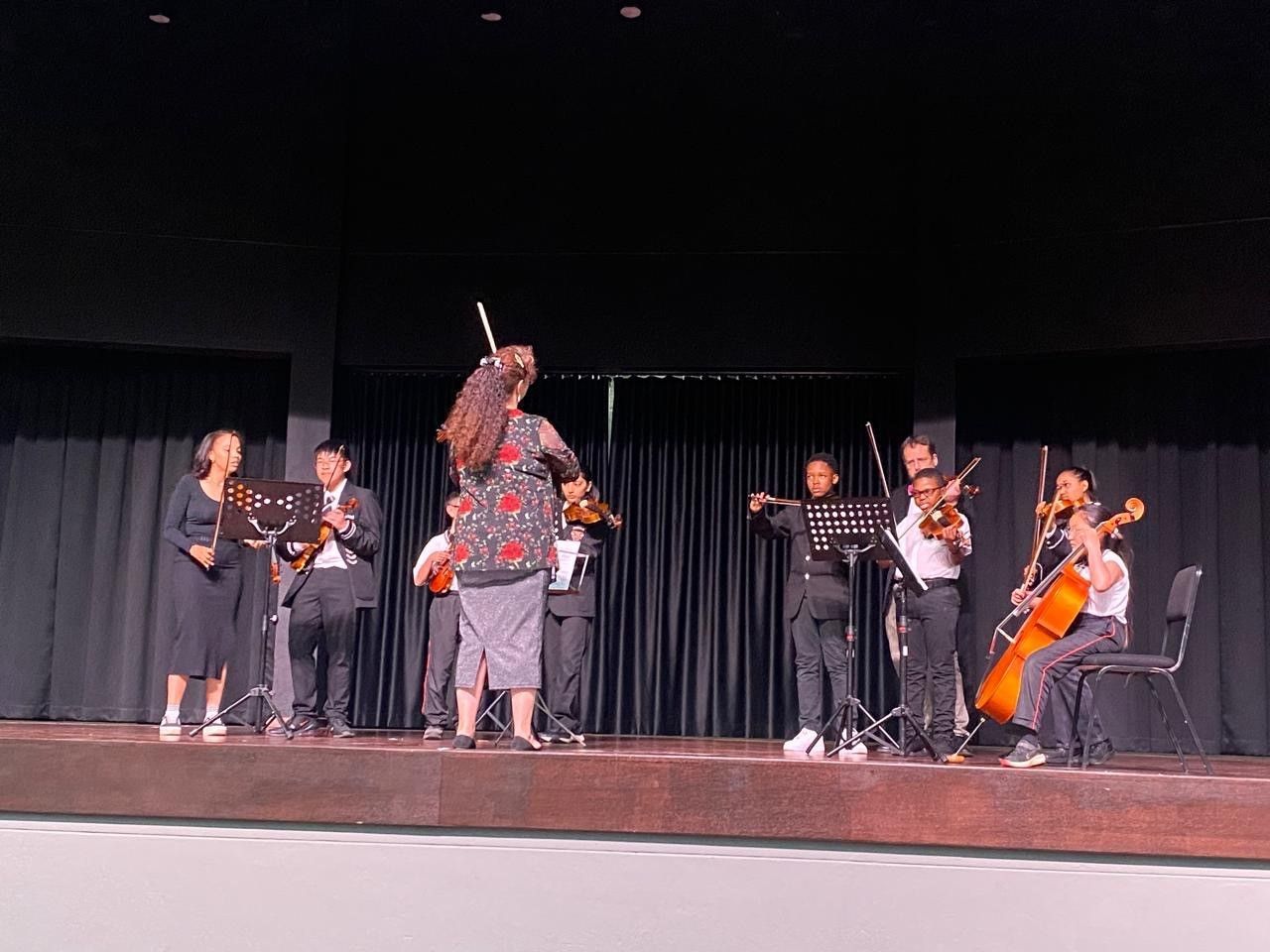
Our recent Lunch Hour Concert was a perfect afternoon of music, featuring the sounds of strings, piano, drums, and the vibrant energy of our school’s Band, Marimba band, and Choir. Set under the shade of our big garden trees, the concert offered a delightful escape filled with memorable student performances.

A special thank you to Mr Zakes, Mrs Cara, Mr Tshiamo, and all the music teachers for their dedication and commitment to our young musicians. Their hard work throughout the year truly shone in this wonderful event.

Crawford International Pretoria’s Arts Evening delivers a memorable surprise


Crawford International Pretoria hosted its annual Arts Evening, where learners from Grades 8-12, specialising in Arts, showcased their work. The event, a staple in the school’s calendar, offers a platform for students to present their talents and achievements. “The Arts Evening is generally a showcase where we feature the artworks of our students, particularly of those who take Arts as a speciality in Grade 10-11,” explained Unathi Bonga, Public Relations Consultant. However, this year’s event included a surprising moment that caught the audience off-guard.


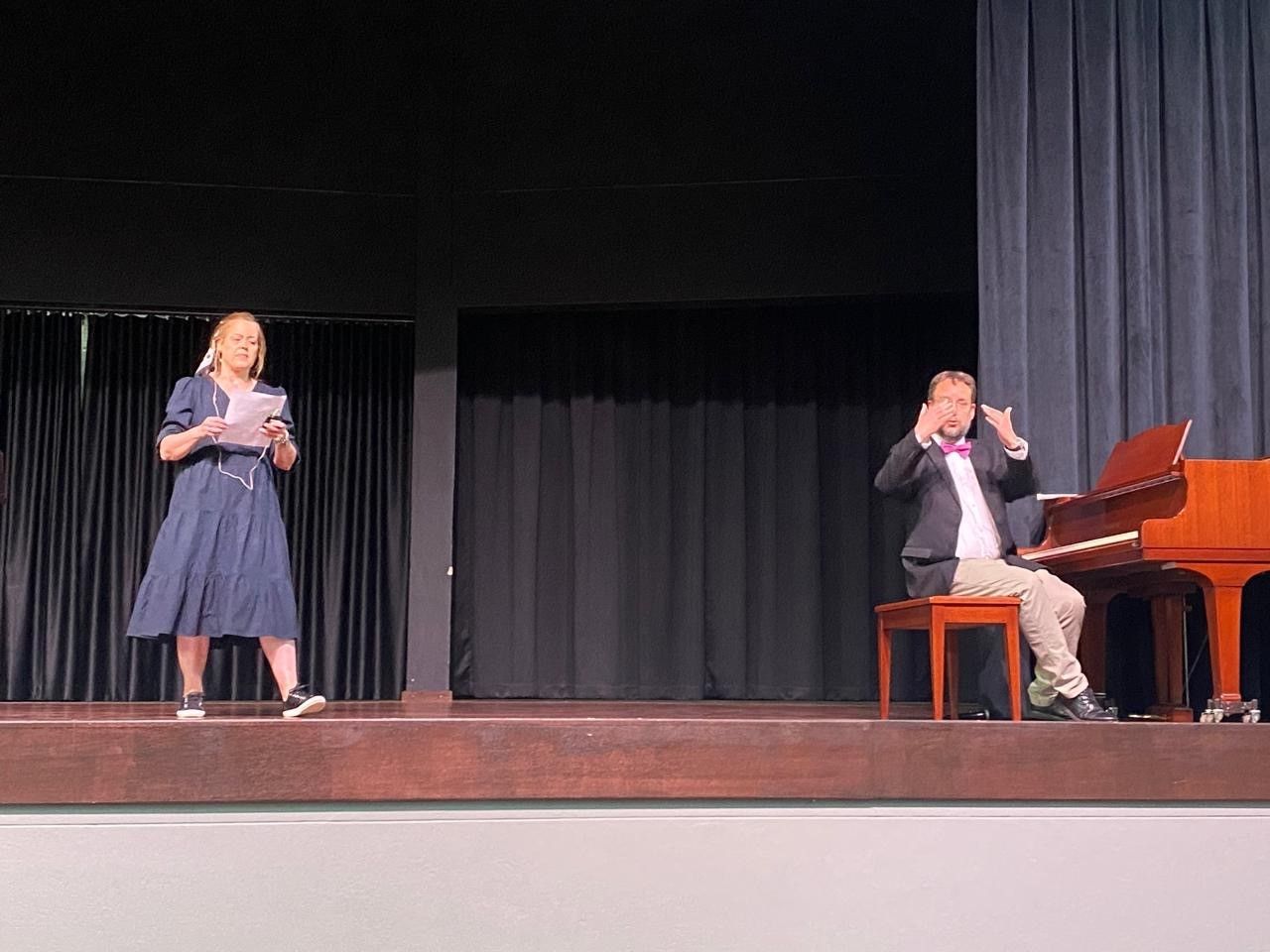
In a tribute to the outgoing principal, Ms Cheryl Naidoo, two teachers – Mrs Hall from the Arts Department and Dr Jankowitz from the Music Department – delivered an unexpected performance. Mrs Hall recited Rudyard Kipling’s If, while Dr Jankowitz provided piano accompaniment. Their joint performance was a touching addition to the evening. Reflecting on the experience, Dr Jankowitz said, “The highlight for me was stepping on stage with Mrs Hall, surprising everyone. The students aren’t used to seeing their teachers perform – it’s a bit like watching the coach play on the field. It was a rewarding experience.” The performance was well received, adding an unexpected layer to the evening. Both staff and students left the event with a renewed sense of community and appreciation for the Arts.

March 20, 2026
Walk into any high-quality early childhood classroom and you will see children building towers, negotiating roles in a make-believe restaurant, sorting blocks by size, or filling a sensory bin with obvious concentration. To the untrained eye, it looks like fun. To a developmental scientist, it looks like some of the most sophisticated cognitive work a young brain will ever do. The global research on play-based learning has grown considerably over the past five years and it points in one direction: play is not a break from learning. It is the primary engine of early cognitive development. What Play-Based Learning Actually Is Play-based learning is a spectrum. At one end sits free play: child-directed, open-ended and unstructured. At the other is guided play, where a teacher designs the environment with a learning intention in mind, then allows the child to lead the exploration. In between are games with rules, collaborative projects and dramatic play that blend adult facilitation with child agency. Research published in Frontiers in Education (Parker, Thomsen & Berry, 2022) offers a useful framework: learning through play happens along a continuum and the most effective early childhood settings make intentional use of all its forms. Play-based learning done well is not accidental. It is designed. How Play Supports Cognitive Growth Across multiple domains, play consistently outperforms passive instruction as a driver of developmental gain. Memory and Working Memory Working memory at age five is a stronger predictor of later academic achievement than IQ, outperforming it on numeracy and literacy assessments years later. Play with rules is one of the most effective tools for building working memory in preschoolers. When a child plays Simon Says, remembers the rules of a card game, or holds a customer's order in mind during dramatic play, they are doing genuine working memory training. Problem-Solving and Critical Thinking Researchers Weisberg, Zosh and Hirsh-Pasek (2021) found that strategically integrated play-based learning measurably enhances creativity and problem-solving. When children build with blocks and a structure collapses, they hypothesise, adjust, and try again. This mirrors the scientific method and builds the cognitive flexibility needed for academic and real-world problem-solving. The OECD confirmed in 2023 that play-centred environments promote deep learning, particularly in cognitive flexibility. Language and Literacy Language development is perhaps the most extensively documented benefit of play-based learning. Children engaged in dramatic play and storytelling show gains in vocabulary, phonological awareness, and print knowledge. Research by Neuman et al. (2022) demonstrated that narratives combined with play-based activities make abstract language concepts more concrete and accessible. Spatial Awareness and Early Mathematics Block construction strengthens spatial reasoning, early mathematical understanding, and later STEM performance. Research by Simoncini et al. (2020) found that block play offers a flexible and affordable way to sustain mathematical learning from early childhood through primary school. Children learn concepts of symmetry, balance, and pattern without a worksheet in sight. The Role of Teachers in Facilitating Play One of the most persistent misconceptions about play-based learning is that the teacher's role is to step away. The research says otherwise. The most effective play environments are those where a knowledgeable adult is actively present, observing, questioning and extending. Scaffolding refers to the way a teacher adjusts support to match a child's current capacity, then gradually withdraws it as competence grows. In practice, this might look like an open question posed beside a child who is struggling: "What could you say to invite your friend?" Or introducing a new prop to extend a dramatic play scene. Or quietly challenging a builder: "What do you think would happen if you moved that block to the bottom?" A Springer Nature study (2025) on guided play in kindergarten found that this approach allows educators to support children's agency while facilitating their play towards specific learning outcomes. Observation is equally important. Teachers who observe carefully understand each child's current developmental level, notice which skills are emerging, and use that knowledge to plan the next experiences. This is assessment as a natural part of practice. Play Activities That Build Cognitive Skills Not all play is equally powerful. These four types have the strongest evidence base: Pretend and Dramatic Play: Children taking on roles must hold multiple perspectives, follow social rules, and sequence events. Research in Frontiers in Psychology (2024) found that pretend play is directly associated with higher scores on number tasks, attention, and problem-solving. It is also one of the earliest spaces where children practise self-regulation. Construction Play: Building with blocks or loose parts develops spatial reasoning, planning, and mathematical thinking. Children make predictions, test them, and revise, which is the same cognitive cycle that underlies scientific and engineering thinking. Games and Puzzles with Rules: These are among the most direct pathways to executive function development. Games requiring a child to wait, switch rules, or inhibit an automatic response activate and strengthen the prefrontal cortex, the brain region most associated with cognitive control. Sensory and Cooperative Play: Sensory exploration engages categorisation, cause and effect, descriptive language, and sustained attention simultaneously. Cooperative play adds a further dimension: children must plan, communicate, and resolve conflict, which are precisely the competencies higher education and employers identify as essential in the 21st century. Why Play Matters for School Readiness and Academic Success The term "school readiness" is often used to justify pushing formal academic instruction earlier. The irony is that research consistently shows this approach backfires. A comprehensive review in Frontiers in Education (Zosh et al., 2022) found that play-centred environments facilitate a smoother transition to formal schooling precisely because of their emphasis on play.  What actually predicts school readiness is executive function: the ability to regulate attention, hold information in working memory, plan, inhibit impulse, and shift flexibly between tasks. A study from Frontiers in Psychology (2021) found that well-developed executive function in preschoolers is one of the strongest predictors of kindergarten readiness, and that children who perform well in their first formal year go on to achieve better throughout their academic career. Children who engage in rich play experiences also demonstrate greater emotional regulation, social competence, and persistence. These qualities matter as much as letter recognition when a child walks into a Grade 1 classroom. Longitudinal evidence from the Perry Preschool Study and the UK's EPPE project both show that children from play-rich early childhood settings demonstrate greater persistence and social confidence well into their school careers and beyond.
March 13, 2026
Ms van Straaten is a passionate early years teacher who believes the foundation for a child’s lifelong love of learning is built in the earliest stages of schooling. Recently stepping into her role as a Grade 0 teacher at Crawford International Bryanston, she brings warmth, insight and experience to her classroom, creating an environment where young students feel safe, valued and ready to explore. The Road to Teaching Ms van Straaten holds a BEd degree in Psychology and Human Resource Management, as well as a PGCE in the Foundation Phase. Her background in psychology informs her understanding of child development and emotional well-being. She began her teaching career as a Grade 000 teacher, where she spent three years helping young children build strong early foundations. During this time, she developed a deep appreciation for the importance of play, secure relationships and responsive teaching in the formative years. Her move into Grade 0 marks an exciting next step as she continues guiding students through important developmental milestones. Subjects and Focus As a Grade 0 teacher within an IB framework, Ms van Straaten supports learning through a play based, inquiry driven approach aligned with the Primary Years Programme. She guides students through early literacy and numeracy development while also supporting their social, emotional and creative growth. Through carefully planned learning experiences, she encourages curiosity, independence and holistic development. Teaching Philosophy Ms van Straaten takes a holistic approach to learning. She believes emotional wellbeing is central to academic progress and prioritises creating a classroom where children feel secure, understood and confident to take risks. “In the early years, children are developing far more than academic skills. They are building confidence, learning how to express themselves and beginning to understand the world around them. At Crawford International Bryanston, I believe it is important that every child feels safe, supported and encouraged to explore. When students feel emotionally secure, they are more open to learning, collaboration and growth,” shares Ms van Straaten. What She Values About Teaching Ms van Straaten finds great fulfilment in witnessing the transformation that happens during the early years, from developing confidence and independence to celebrating meaningful developmental milestones. Working with young children continues to inspire her daily and she remains committed to nurturing not only their academic readiness, but also their emotional and social development within the Crawford community.
March 6, 2026
In a significant recognition of its leadership in sustainable education, ADvTECH - Africa's leading private education provider - has been honoured for exceptional environmental stewardship at the Wildlife and Environment Society of South Africa (WESSA) Centenary Awards. Celebrating a century of inspiring environmental action, education, and advocacy under the motto “People Caring for the Earth”, WESSA acknowledged ADvTECH's deep integration of the Eco-Schools South Africa programme for its unparalleled scale and impact. “As WESSA marks 100 years of environmental leadership, partnerships like the one we share with ADvTECH remind us why environmental education remains one of the most powerful tools for long-term change,” says WESSA CEO Cindy-Lee Cloete.  “When 42 schools within a single education group commit to environmental stewardship, the ripple effect extends far beyond the classroom into homes, communities and ultimately into the future leadership of this country.” At the awards ceremony on February 27, 37 ADvTECH schools received Silver Awards status, which celebrates two years of WESSA collaboration, and the schools below have shown their lasting dedication by participating in environmental initiatives and raising awareness. Trinityhouse, Little Falls: Gold status (4 yrs.) Crawford International School, Sandton: Platinum 2 status (7 yrs.) Tyger Valley College: Bronze Decade status (12 yrs.) Pinnacle College, Ridgeview: Green Flag Decade status (13 yrs.) Pecanwood College: Platinum Decade 2 status (17 yrs.) Additionally, also recognised for submitting the most eco-snippets All of the ADvTECH participating schools achieved full assessment letters for their submitted portfolios of evidence, with scores ranging from 70% - 98%. Top achieving schools were: Crawford International School, La Lucia Maragon Olympus, Faerie Glen Crawford International School, Sandton Crawford International School, Lonehill Abbots College, Northcliff Additionally, ADvTECH received a Partnership Award in recognition of its outstanding and unique contribution to environmental stewardship. “It has been another incredible year working closely with the WESSA champions at our schools, as well as the dedicated WESSA team. Throughout 2025, we witnessed some of the most inspiring and comprehensive portfolios of evidence ever submitted, reflecting not only commitment but also genuine passion for environmental stewardship and sustainability. The quality, creativity, and consistency demonstrated by our champions have set a remarkable standard and continue to inspire positive change within their school communities,” says Krystal Munian, Academic Advisor and WESSA Lead. “We extend our sincere gratitude to every champion and the school teams for their phenomenal hard work, perseverance, and dedication to advancing the project’s goals. And we are excited about the year ahead and look forward to building on this momentum through new activities, innovative initiatives, collaborative projects, and continued growth across all participating schools.”
February 27, 2026
Melvyn, a 2023 Crawford International School graduate, left Crawford in pursuit of excellence in the field of business and hospitality in Switzerland. Two years in, he continues to represent not just Crawford but all of Africa as a student-ambassador in Europe. He has gotten work experiences in Switzerland’s top hotels (including the The Dolder Grand - Ranked 1st in Switzerland in 2024 and The Chedi Andermatt - a five-star superior hotel) which are equipping him with valuable skills from the best of the best alongside his education at a renowned Swiss Institution. Whilst at Crawford, Melvyn was exceptional academically as well as in extra curriculars and sports. He completed his IGCSE’s with: 4 A*s, 2 A’s and 2 B’s before completing his O and A Levels. Whilst at school, he also received several distinctions and achievements including: Game Jam 2022 winner ( LINK ) Best in Business & Global Perspectives 2021 Commendation in Leadership Award 2022 Most Promising Football Player 2019 The Top in Languages Award 2021 The Good Fellowship Award 2021 Now in Switzerland, Melvyn is pursuing a degree in Business and Hospitality at the prestigious Business & Hotel Management School (B.H.M.S), where he continues to uphold the same standard of excellence that defined his time at Crawford Tatu. Alongside his academic journey, he is an active member of the school football team, balancing elite sport with the demands of a rigorous programme. His commitment to performance has earned him multiple GPA-based scholarships, recognising his consistent academic achievement. At the same time, he is gaining hands-on industry experience within Switzerland’s world-class hospitality sector, allowing him to seamlessly integrate theory with practice. Through his dedication both in the classroom and in the workplace, Melvyn continues to grow as a well-rounded leader, proudly representing Crawford and Africa on an international stage.
February 20, 2026
Going to boarding school is a thrilling journey, but it can also feel a little overwhelming at first, and it is perfectly natural to feel both these emotions! For parents, the thought of their child living away from home may be both comforting and hard. It’s heartening to know that your child is becoming more independent while still being cared for, but it can also be hard to get used to. Our boarding facilities at Crawford International North Coast welcome students from as young as Grade 6 and are meant to feel like a home away from home.  From the first day, each student has their own room, which gives them a private space they can make their own. Every space starts off as a blank canvas, ready for students to add their own touches that show who they are and make them feel at home. Having a place to go that feels safe and pleasant after a packed day of lessons, sports, and other activities makes a big difference. Our highly experienced team encourages students to bring personal items from home that are familiar and make them feel at home. A Bluetooth speaker, a scented diffuser with a scent familiar to home, or framed family photos can make the room feel more like their own right away. There are a lot of ways boarders can make their rooms feel like a cozy refuge. To create a room, warm that is warm and stylish, students can think about adding fairy lights, soft throw blankets, colourful cushions, Polaroid photo walls, indoor plants, motivating books, or a plush rug. These small details make the room more than simply a place to sleep; they make it a place to recharge and show off their creativity. These things make a plain room feel like their own, motivating, and intimate. At Crawford International North Coast, boarding is more than just a place to stay. It's a time of independence, privacy, and community when every student thrives!. Our boarding ensures comfort and connection while our campus offers safety and serenity for our 100 boarders. Located just 10 minutes from Durban’s King Shaka International Airport, we are conveniently located for all our students travelling to Durban by air
February 13, 2026
At Crawford International Tatu City in Kenya, Mr Kizito Wafula Okumu has been part of the journey from the very beginning. As a pioneer teacher who joined the campus in 2018, he has helped shape both the academic and co-curricular identity of the school during its formative years. Mr Okumu teaches French from Primary through to A Level, bringing more than 16 years of experience in the subject. His path into teaching began with a simple yet influential note written in his Form 2 French book by his own teacher, encouraging him not to abandon the language because it would open doors. That advice proved decisive. He went on to complete a Bachelor of Education in French at Kenyatta University, further improving his proficiency through certification with Alliance Française and continued engagement with native speakers. Teaching for Global Perspectives For Mr Okumu, language is more than curriculum content. It is access to culture, connection and global opportunity. When visiting his classroom, one experiences this belief in action, encouraging students to see French not simply as a subject, but as a gateway to the world. Beyond the classroom, Mr Okumu serves as Deputy in charge of Sports and Outreach. A former competitive hockey player who won three national trophies during his school career, he understands the discipline and resilience that sport demands. He continues to be actively involved in the sporting community and brings that same commitment to Crawford International Tatu City, with a clear ambition to strengthen the school’s sporting profile. Equally important is his dedication to community outreach. Under his leadership, students participate in initiatives that extend beyond charitable giving. They are encouraged to take ownership of projects, to understand the realities faced by others and to develop empathy alongside leadership. It is an approach that reflects the Crawford commitment to educating the whole student. Teaching Philosophy Each morning, Mr Okumu greets students as they arrive on campus, energised by their curiosity and ambition. His philosophy is grounded in balance, “a sound body supports focus, perseverance and joy in learning. A sound mind brings purpose, strategy and sportsmanship to physical endeavours” he shares. Inside the School Day  When asked what inspires his energy and love for teaching, he shares, “I’m inspired every morning by the joyful smiles of our students arriving excited for the day ahead. Standing at the foyer meet-and-greet, I get to witness their aspirations firsthand and embrace the privilege of helping shape these bright young global leaders alongside our incredible team." Interesting facts about Mr Okumu: Pioneer teacher at Crawford International Tatu City since 2018 Deputy in charge of Sports and Outreach Proud husband and father of two sons Enjoys nature, camping and off roading Former competitive hockey player with three national titles As Crawford International continues to shape global leaders across Africa, teachers such as Mr Okumu embody the shared values that connect our campuses. High standards. Global outlook. And a belief in developing students who are prepared not only for exams, but for life beyond school.
February 6, 2026
“Two generations. One school. A lifetime of Crawford values.” For the Sher family, Crawford International Sandton is not simply a school they attended; it is a shared chapter written across two generations, shaped by consistent values and evolving opportunity. Dalene Sher matriculated in 1994, earning four distinctions in English, Science, Biology and Latin. Her daughter, Samantha Sher, followed nearly three decades later in 2022, achieving an average of 87.54%, eight distinctions and a Top 5% Commendable Achievement, placing tenth in her grade. In 2025, her son, Justin Sher, completed the journey in exceptional style, with an average of 93.46%, eight distinctions, a Top 5% Outstanding Achievement and first place in his grade. Each result stands on its own merit, yet together they tell a richer story of legacy, growth and shared ethos. Looking back, Dalene describes the experience in three words: legacy, continuity and pride. To see the same school shaping both parent and children across decades is rare and deeply grounding. While Crawford has evolved in facilities, scope and scale, its values have remained remarkably consistent. Experiencing the school first as a student and later as a parent offered a unique perspective, one that revealed how the same environment that once shaped a teenager later helped form confident, capable young adults. Within the Sher household, education was never treated as an isolated outcome. It was a way of life. Curiosity, independence, respect and balance became family language, often reinforced by classroom conversations, parent talks and shared reflection. Academic achievement mattered, but it was always framed as a stepping stone rather than a destination. Confidence of voice, respect for individuality and a belief in lifelong learning became defining Crawfordian traits carried well beyond the school gates. For Samantha and Justin in particular, the shared Crawford experience created an enduring bond. Inside jokes about teachers, traditions, houses and events still surface, along with a deep mutual understanding of the pressures, expectations and opportunities that school life presents. That shared understanding has fostered empathy across generations, bridging past and present with ease. Belonging to the Old Crawfordian Society has extended that connection further. For the Sher family, it represents a sense of belonging beyond graduation, a shared identity that transcends age, along with a healthy dose of traditional rivalry. Staying connected after matric reframes education as a lifelong relationship rather than a single chapter. Through sport, service and cultural involvement, both Samantha and Justin remained connected to younger students, making mentorship and giving back feel like a natural progression rather than an obligation. Alumni communities matter because there is strength in connection. They preserve continuity, provide role models and create networks of practical and emotional support. In sharing their story, the Sher family hopes current students and fellow alumni recognise that education has the power to connect generations, shape families and deepen understanding long after school years have ended. For the Sher family, success has always meant more than results alone. Character over certificates is a guiding principle, even while acknowledging the importance of academic rigour. Living up to one’s potential, pushing natural ability and cultivating resilience, integrity and adaptability remain central to their definition of achievement. Crawford prepared each family member differently, yet from the same foundation. Dalene credits the school with instilling perspective, adaptability and confidence. Samantha found her voice, independence and balance, attributes that supported her transition to international tertiary studies and her leadership within university sport. For Justin, Crawford became a platform for leadership, responsibility and growth, meeting him where he was and enabling him to surpass ambitious goals through service, sport and academic excellence. Their advice to today’s students is simple and wise: focus on process over pressure. Plan early, stay organised, say yes to opportunities and step beyond comfort zones. Balance matters, and fulfilment comes from pursuing what you genuinely enjoy, not what is merely popular. As a family, they describe Crawford International Sandton as “where we learned to grow, question, lead, discover and belong”. Knowing that their story now forms part of Crawford’s broader legacy brings both gratitude and responsibility, an honour coupled with a commitment to contribute meaningfully to the school’s ongoing story.  To be a Top Achiever at Crawford is not only about standing at the top of a list. It is about leaving with values that endure, relationships that last and a sense of belonging that carries forward, sometimes, across generations.
January 30, 2026
Language development is essential to how students think, communicate and engage with learning. From early sounds to confident speech and writing, language grows through a close relationship between the brain, social interaction plus environment. Recent research continues to deepen our understanding of how children learn languages and how schools and parents can support this process with intention. How the Brain Learns Language Current neuroscience confirms that children are biologically prepared for language learning from birth. The early years remain a sensitive period for language development, during which the brain is especially responsive to sounds, rhythm and structure of language (Gabrieli et al., 2022). Language learning involves several connected brain regions. Areas linked to understanding meaning and producing speech work together through neural pathways that strengthen with repeated use. Studies using brain imaging show that these pathways develop through exposure and interaction rather than direct instruction alone (Skeide and Friederici, 2023). Importantly, the brain learns language through use in real contexts. Children learn words, sentence patterns and meaning by listening, responding and engaging in conversation. This explains why students benefit most from orals, storytelling and meaningful communication across home and school environments. Stages of Language Acquisition While every child develops at their own pace, language acquisition follows a broadly similar sequence. Early on students begin with babbling, experimenting with sounds and intonation. This stage helps the brain map speech sounds and prepares children for spoken language. Single words usually follow. These words often relate to people, objects or actions that are important in the child’s daily life. As understanding grows, children begin combining words into short phrases or sentences. This shows early awareness of meaning and structure. Over time, grammar develops. Sentences become more complex, vocabulary expands and students learn to adapt language for different purposes. By the early school years, most students can use language to explain ideas, ask questions and support learning across subjects (Clark, 2023). Factors That Influence Language Learning Language development is shaped by a combination of exposure, interaction and environment. Exposure to language is critical. Research shows that students who regularly hear varied and meaningful language develop stronger vocabulary and comprehension skills (Romeo et al., 2021). The quality of interaction matters as much as quantity. Responsive conversations, where adults listen and build on what children say, support deeper language growth. Parent child interaction, shared reading and discussion during everyday routines all play a key role. Play also supports language learning. Through play, children practise new words, negotiate meaning and use language socially. Recent studies highlight play as an important context for both spoken language and early literacy development (Weisberg et al., 2022). Bilingualism and Multilingualism Bilingual and multilingual language development continues to be an area of strong research interest especially in the South African school’s context. Evidence from the 2020s confirms that children can learn two or more languages successfully without negative effects on development (De Houwer, 2021). A common misconception is that bilingual children are confused or delayed. Research shows that bilingual students follow the same developmental stages as monolingual students, although vocabulary may be distributed across languages. Mixing languages is a normal and healthy part of bilingual development. There are also cognitive benefits associated with bilingualism. Recent studies link bilingual experience to stronger attention control, flexibility in thinking and awareness of language structure, especially when both languages are supported consistently (Bialystok and Craik, 2022). How Schools and Parents Can Support Language Learning Language development thrives when schools and families work together. Reading remains one of the strongest tools for language growth. Shared reading builds vocabulary, comprehension and confidence. Talking about stories, asking open questions and linking texts to real experiences deepens understanding. Conversation should be encouraged throughout the day. Teachers and parents can model clear, rich language by explaining ideas, introducing new words naturally and encouraging students to express their thinking through inquiry. Vocabulary can be scaffolded by introducing new words in context, revisiting them often and giving students opportunities to use them in speaking and writing. Visual support, discussion and examples all strengthen learning. Creating language-rich environments is essential. Classrooms and homes that value talk, curiosity and listening support students not only in language development, but across all subjects.  Language is not only a subject of study, but also the foundation through which students learn, connect and participate fully in the world.
January 16, 2026
The journey to building global leaders begins long before Matric year. For the Crawford International Class of 2025, it reflects three years of focused preparation, academic support and personal growth through the Crawford Matric Preparation Programme. In the 2025 Independent Examination Board National Senior Certificate examinations, Crawford International students achieved a total of 1 428 distinctions across the group. Twenty-one students recorded overall averages of 90% and above, placing them among the country’s top performers, while a further 126 students achieved averages between 80 and 89%. Among the group’s top academic performers are: Manzil Harikaran Giandev from La Lucia with 11 distinctions, including a 100% in Engineering Graphics Design Sashen Ramlal from Lonehill with 10 distinctions. Shweta Singh from Lonehill earned 9 distinctions. Dristhi Ramsumer from North Coast and Celia Wentzel from Sandton earned 9 distinctions. Sanjana Rajkaran from La Lucia earned 8 distinctions. Tayur Lushen Moodley from North Coast: 8 distinctions. Talia Govender and Keith Makadzange from Pretoria: 8 distinctions. Justin Sher and Mthokozisi Buthelezi from Sandton: 8 distinctions. Together, these students represent the highest individual academic achievements across the group. Beyond individual results, Crawford International students also earned national recognition through the IEB. Seven Commendable Achievement Awards were awarded to students ranked in the Top 5% nationally across five or more subjects. Eight Outstanding Achievement Awards were secured by students ranked in the Top 5% nationally across six or more subjects. Dr Siza Majola, Managing Director of Crawford International, shared: “Congratulations to the Matric Class of 2025. This milestone marks the culmination of years of commitment, perseverance and personal growth. You have faced challenges with resilience, embraced learning and demonstrated the determination required to succeed. As you step into the next chapter, remember that your Crawford education has equipped you with the confidence, leadership skills and values to navigate a world full of opportunity. Your achievements are also a reflection of the unwavering support of parents and teachers who walked this demanding journey with you. Their guidance and belief have played a vital role in your success. Well done, Matric Class of 2025. We are proud of all you have achieved and excited to see what lies ahead.” While these outcomes are academic in nature, Crawford International places equal value on leadership development, sport, service and collaboration. Students are encouraged to lead on the sports field, in cultural spaces, through student leadership structures and within their communities. This approach ensures that students leave school not only well prepared for tertiary study but equipped to contribute meaningfully to diverse environments. Distinctions by Campus: Crawford International Sandton College 370 distinctions Average of 3.6 distinctions per candidate Crawford International La Lucia College 316 distinctions Average of 3.19 distinctions per candidate Crawford International Pretoria College 219 distinctions Average of 2.55 distinctions per candidate Crawford International North Coast College 130 distinctions Average of 2.50 distinctions per candidate Crawford International Lonehill College 253 distinctions Average of 2.16 distinctions per candidate Crawford International Ruimsig College 140 distinctions Average of 1.75 distinctions per candidate Crawford International congratulates every student, teacher and family who contributed to this collective success. We wish the Class of 2025 the very best for the future.
Teacher Yvette Rautenbach, Crawford International Pretoria, smiles for
November 21, 2025
Yvette Rautenbach is Crawford International’s own Renaissance woman: a coffee-loving, quiz-night ace, with a flair for fashion, a knack for interior décor, and a passion for rugby and cricket. But above all, Yvette lives and breathes teaching Afrikaans, bringing her inspired love of the language to her classrooms every day. The Road to Teaching With a BED Degree in Education from the University of KwaZulu-Natal and an Honours degree in Afrikaans from Stellenbosch University, Yvette has pursued her passion for Afrikaans all the way to becoming qualified to study for her master’s degree in 2009. Her journey began with a Grade 12 teacher who brought Afrikaans poetry and literature to life, and Yvette has been paying that inspiration forward ever since. More than Just Subject Matter For Yvette, teaching isn’t only about the curriculum. “How you make students feel can mean more than what you teach them,” she says. Her aim is to create a classroom where students feel supported, safe, and ready to thrive. She’s built connections that last long past graduation, and her proudest moments come from hearing from former students still grateful for her impact. A Day in the Life… Every day is fuelled by her favourite Nescafé Cappuccinos and her fantastic team of Crawford colleagues who, in her words, “make even the most challenging days better.” The autonomy Crawford provides allows her to shape lessons with creativity and passion, a freedom she believes benefits both students and teachers alike. Teaching Philosophy Yvette’s philosophy is simple: teaching with compassion is the key. She believes deeply in lifelong learning, knowing that the quality of her teaching drives the quality of her students’ learning. “Getting the best out of my students demands that I get the best out of me, too,” she says.
Show More